Corgi: Why These Short-Legged Dogs Stole the Internet
In This Guide
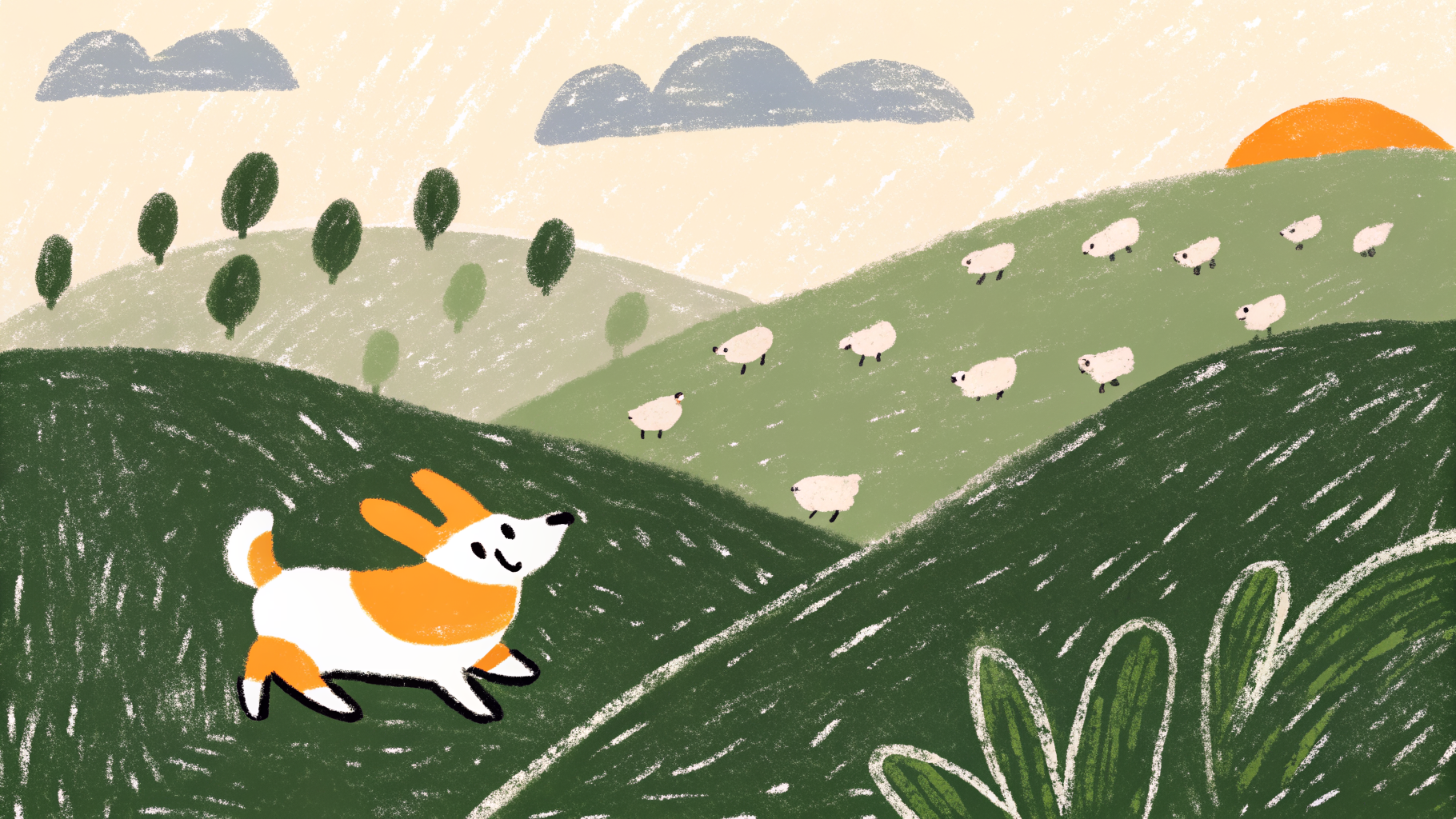
Pembroke Welsh Corgis have gone from "Queen Elizabeth's favorite breed" to "the internet's favorite breed" in record time. Those stumpy legs, that legendary fluffy butt, and their perpetually smiling face have launched a thousand memes - and driven their AKC registration numbers to all-time highs. But behind the viral cuteness is a serious working dog that was originally bred to herd cattle in Wales, nipping at the heels of animals twenty times their size.
The disconnect between "adorable internet dog" and "athletic herding machine" is where most new Corgi owners get blindsided. These 30-pound dogs have the energy of a Border Collie, the stubbornness of a terrier, the shedding volume of a Husky, and the barking capacity of a dog twice their size. If you're getting a Corgi because they look cute online, this guide will give you the full reality check.
Quick Facts
| Life Span | 12 - 15 years |
| Weight | 25 - 30 lbs |
| Height | 10 - 12 inches |
| Temperament | Bold, Smart, Affectionate, Tenacious |
| Energy Level | High - 1+ hour of exercise daily |
| Shedding | HEAVY - "corgi glitter" year-round, massive blowouts |
| Good With Kids | Good - may herd/nip at running children |
| Good With Other Pets | Good with socialization - may try to herd them |
| Trainability | High - smart but independently minded |
| AKC Group | Herding |
Temperament & Personality
Corgis have a personality that's roughly ten times bigger than their body. They're confident, assertive, and genuinely believe they're the largest dog in any room. This isn't arrogance - it's the mental framework of a cattle herder. A dog that can make a 1,200-pound cow move by nipping its ankles needs unshakeable self-confidence, and your Corgi has it in abundance.
They're also remarkably intelligent - ranked 11th among all breeds for working intelligence by Stanley Coren. Corgis learn commands quickly, but they have a herding breed's independent streak. They'll assess your command, decide if it's reasonable, and then comply... or not. They're not as biddable as a Labrador or Poodle, but they're far more trainable than a Beagle or Dachshund.
The Corgi Bark
Corgis are vocal. Very vocal. They have a sharp, penetrating bark that they deploy liberally - at doorbells, passing dogs, the mailman, leaves, suspicious shadows, and sometimes just because they have an opinion about something. This is a herding breed trait (they were vocal communicators with cattle and their farmer), but it can be a real problem in apartments or close-quarters living. Training a "quiet" command early is essential.
Corgi Sass
Ask any Corgi owner about their dog's personality and they'll eventually use the word "sassy." Corgis have a dramatic streak - they'll throw you side-eye when they disagree with something, vocalize their displeasure with dramatic groans, and have facial expressions that seem almost human in their expressiveness. This personality is a huge part of their appeal, but it also means they'll test boundaries constantly.
Corgis and the Royal Connection
Queen Elizabeth II owned more than 30 Pembroke Welsh Corgis during her reign, beginning with Dookie in 1933. The royal association gave Corgis a dignity boost, but it also created a misconception that they're refined, calm lapdogs. In reality, the Queen's Corgis were famously nippy - they bit several palace staff members over the decades. The breed's herding instincts don't discriminate between Welsh cattle and royal household employees. Elizabeth loved them precisely because of their bold, independent spirit - not despite it.
The Corgi "Sploot"
One of the most endearing Corgi behaviors is the "sploot" - lying flat on their belly with hind legs stretched straight back like a frog. This pose has become iconic online and is possible because of the Corgi's unique hip structure. Most Corgis sploot regularly, and it's perfectly normal. However, if a Corgi that normally sploots suddenly stops or shows discomfort getting into the position, it could indicate hip problems and warrants a vet check.
Exercise & Activity Needs
This is where most new Corgi owners are caught off-guard. Despite their short legs and compact size, Corgis are working herding dogs with energy reserves that rival much larger breeds.
- 1+ hour of daily exercise - brisk walks, play sessions, running in a fenced area
- Mental stimulation is essential - herding dogs that aren't mentally engaged become neurotic, nippy, and destructive
- Herding games - herding balls (large exercise balls they push with their nose) are perfect breed-specific exercise
- Agility training - Corgis are surprisingly agile and excel at low-jump agility courses
- Short bursts over long endurance - their legs limit marathon running, but they're explosive in sprints and turns
- Watch their weight - Corgis are prone to obesity, and extra weight on short legs stresses the spine and joints
A Corgi that doesn't get enough exercise and mental stimulation will bark excessively, nip at household members, become destructive, and develop "zoomies" at the most inconvenient times. They're not couch-potato dogs - despite what the Instagram photos of sleeping Corgis might suggest. Those Corgis are sleeping because they got their exercise first.
Can your lifestyle keep up with a Corgi?
Take our 60-second matchmaking quiz to see if a Corgi - or a lower-energy breed - matches your activity level.
Take the QuizHealth & Common Issues
Corgis are generally healthy with good longevity, but their unique body shape (long spine, short legs) creates specific vulnerabilities:
- Hip dysplasia - common in Corgis; their low-to-the-ground build puts different stresses on hip joints than in taller breeds. OFA screening is important
- Degenerative Myelopathy (DM) - the same progressive spinal cord disease that affects German Shepherds. Corgis are one of the most affected breeds. DNA testing for the SOD1 gene mutation is available and recommended
- Progressive Retinal Atrophy (PRA) - a genetic eye condition causing gradual vision loss; DNA testing available
- Obesity - Corgis gain weight easily and their body structure means extra pounds cause disproportionate damage. A lean Corgi should have a visible waist when viewed from above
- Intervertebral Disc Disease (IVDD) - like Dachshunds, Corgis' long spines make them susceptible to disc problems, especially when overweight
- Von Willebrand's Disease - a blood clotting disorder; DNA test available
Grooming & Shedding
If you've heard Corgi owners joke about "corgi glitter," they're referring to the fine, light-colored undercoat hairs that embed themselves into everything you own. Corgis have a thick, weather-resistant double coat designed for Welsh farm work - and it sheds with breathtaking enthusiasm.
- Brush 3-4 times per week minimum - daily during blowout seasons
- Undercoat rake is essential - a regular brush won't reach the dense undercoat that produces most of the shedding
- Two major blowouts per year - in spring and fall, the undercoat comes out in clumps for 2-4 weeks; it looks like your dog is deflating
- Bathe every 4-6 weeks - more during blowouts to help loosen dead undercoat
- Clean ears weekly
- Trim nails every 2-3 weeks
- Brush teeth 2-3 times per week
Corgi shedding is no joke. During blowout season, you can pull handfuls of undercoat directly from the dog. Between blowouts, individual hairs still shed constantly. Every piece of furniture, every item of clothing, and your car interior will have Corgi hair. A robot vacuum that runs daily and a quality lint roller supply are essential Corgi-owner equipment.
The "Fairy Saddle" Marking
Many Pembroke Welsh Corgis have a distinctive marking on their back where the fur color shifts - a lighter patch or change in fur direction across the shoulders. Welsh legend calls this the "fairy saddle," claiming that fairies and elves used Corgis as steeds and war horses. It's a charming legend that Corgi owners love to share, and the markings are indeed a common and recognized feature of the breed. Whether or not your Corgi came with a fairy saddle, they'll certainly act like they deserve the magical treatment.
Weight Management
A lean Corgi is a healthy Corgi, but keeping them lean is a constant battle. Corgis are food-motivated to an extreme degree - they'll eat anything, anytime, in any quantity. Their short legs and long backs mean every extra pound has outsized impact on spinal and joint health. A healthy Pembroke should have a visible waist when viewed from above and you should be able to feel (but not see) their ribs. Most Corgis need only 3/4 to 1.5 cups of food per day, depending on activity level - much less than their appetite suggests they need.
Costs of Owning a Corgi
| Adoption Fee | $100 - $500 (shelter/rescue) |
| Annual Food | $400 - $700 (watch calories carefully) |
| Vet Care (annual) | $400 - $1,200 |
| Pet Insurance | $35 - $65/month |
| Grooming Supplies | $100 - $250/year (multiple brushes, deshedding tools) |
| Training (first year) | $200 - $600 |
| Lint Rollers & Vacuums | $100 - $500/year (seriously) |
| Total First Year | $2,000 - $4,500 |
Corgis are moderately priced to own compared to breeds like Bulldogs or French Bulldogs. Their main ongoing expense is grooming supplies and cleaning equipment to manage the shedding. Breeders charge $1,500-$3,500+ for Corgi puppies, making adoption the more affordable path.
Why Adopt a Corgi?
Corgis are increasingly surrendered to shelters as their viral popularity attracts owners who weren't prepared for the shedding, barking, nipping, and exercise needs. The gap between "cute internet Corgi" and "real Corgi in your house" leads to a growing number of Corgis needing new homes.
Adopting an adult Corgi (3+ years) gives you the advantage of known temperament, established house-training, and often reduced energy compared to the hyperactive puppy and adolescent years. Many rescue Corgis are 2-5 years old - the sweet spot of maturity with a decade of companionship ahead.
How to Find Corgis for Adoption
- Browse Foredog - we list Corgis from shelters and rescues across the country, updated daily
- Check breed-specific rescues - Southeast Corgi Rescue, East Coast Corgi Rescue, and Sunshine Corgi Rescue are among the most active
- Be open to Corgi mixes - Corgi mixes are common in shelters (Corgis mix with everything due to their... enthusiasm) and often retain the best traits
- Prepare for a wait - purebred Corgis in rescue are adopted quickly due to demand; set up alerts and be ready to act fast
Corgis Available for Adoption Near You
Browse real Corgi listings from shelters across the country - updated daily.
Browse CorgisFrequently Asked Questions
Do Corgis shed a lot?
Yes - Corgis are among the heaviest-shedding breeds despite their small size. They shed year-round with two massive blowouts in spring and fall. Expect Corgi hair on everything you own. Daily brushing during blowouts and 3-4 times weekly otherwise is essential.
Why does my Corgi nip at my kids' heels?
This is herding instinct - Corgis were bred to herd cattle by nipping at their heels. Running, screaming children trigger this deeply ingrained behavior. Training can reduce it, but you probably won't eliminate it entirely. Teaching children to stop and stand still (not run) when the Corgi nips helps break the herding cycle.
Are Corgis good apartment dogs?
Corgis can live in apartments if you commit to daily exercise (1+ hour) and mental stimulation. However, their barking can be a serious issue in close-quarters living. They do best in homes with a yard where they can run and patrol. Talk to neighbors about noise tolerance before bringing a Corgi into an apartment.
What is Degenerative Myelopathy in Corgis?
DM is a progressive spinal cord disease that causes hind-leg weakness and eventually paralysis. Corgis are one of the most affected breeds. A DNA test for the SOD1 gene mutation can identify at-risk dogs. There's no cure, but physical therapy and wheelchairs can maintain quality of life. DM typically appears in older dogs (8+ years).
Are Corgis high-energy dogs?
Yes - much higher energy than most people expect from a small, short-legged dog. Corgis were bred to herd cattle all day and retain that working stamina. They need at least an hour of exercise daily plus mental stimulation. An under-exercised Corgi becomes a destructive, nippy, barky problem.
Pembroke vs. Cardigan Welsh Corgi - what's the difference?
Pembroke Welsh Corgis (the more popular type) have no tail, pointed ears, and are slightly smaller. Cardigan Welsh Corgis have a long tail, rounded ears, and are slightly larger and less common. Both share the herding instinct, intelligence, and shedding, but Cardigans tend to be more reserved with strangers.
Find Your Perfect Dog Match
Corgi not quite the right fit? Our matchmaking quiz analyzes your lifestyle and pairs you with the breed that fits you best.
Take the Quiz