Beagle: The Ultimate Guide to the Friendly Hound
In This Guide
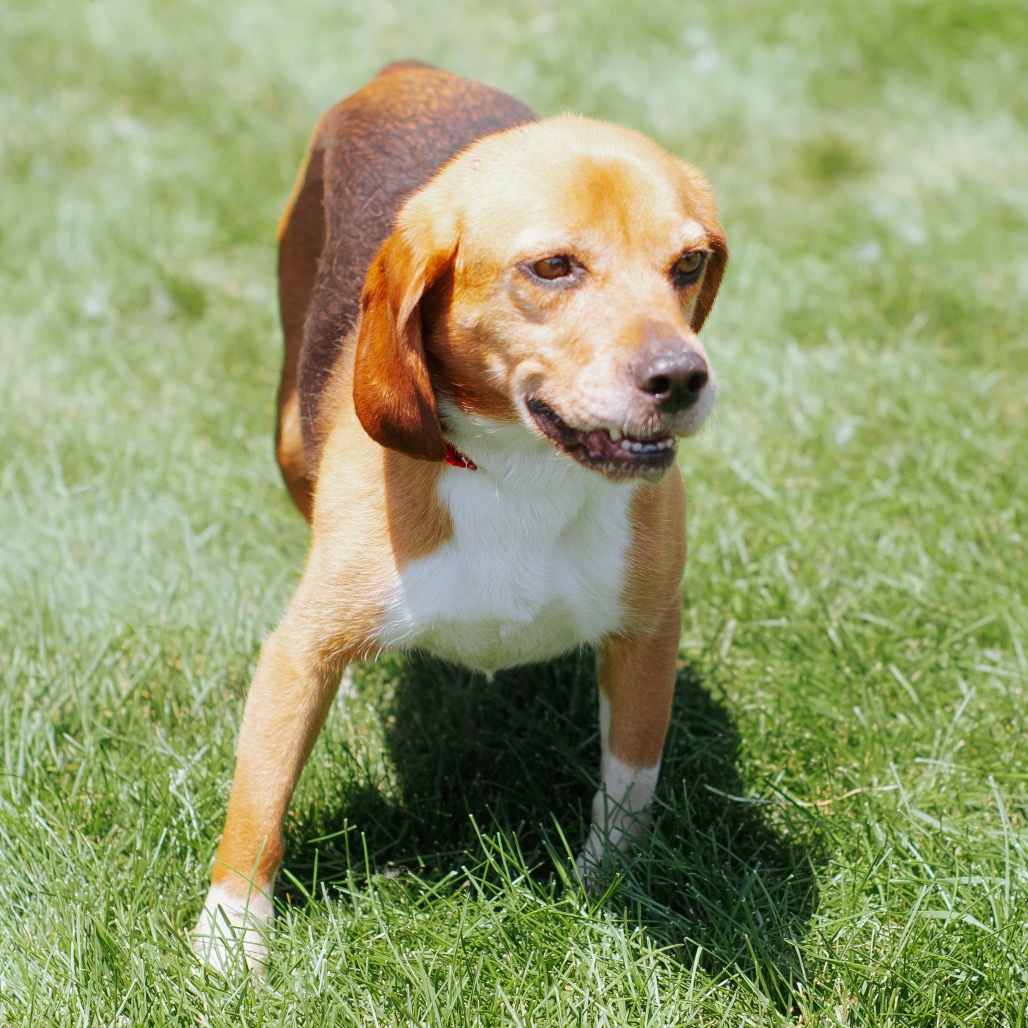
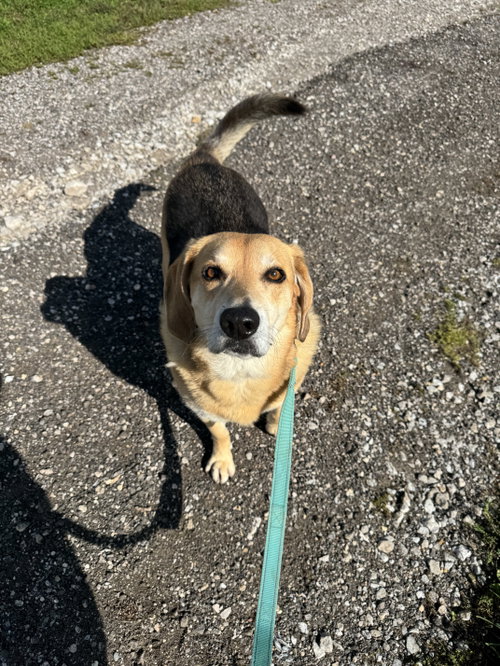
The Beagle is a contradiction wrapped in a tri-color coat: small enough for apartment life but loud enough to alert the entire building, sweet-natured enough for toddlers but stubborn enough to drive experienced trainers up a wall. They've been among America's most popular breeds for decades, and their merry, curious personalities have made them beloved family dogs - and one of the most common breeds in shelters.
Originally bred as pack hounds for rabbit hunting in England, Beagles carry 220 million scent receptors in their noses (compared to about 5 million in humans). That extraordinary sense of smell defines nearly everything about living with one: their single-minded focus when they catch a scent, their tendency to follow their nose into trouble, and their incredible talent for finding food you thought was safely hidden. Here's what to expect.
Quick Facts
| Life Span | 10 - 15 years |
| Weight | 20 - 30 lbs |
| Height | 13 - 15 inches (two varieties: under 13" and 13-15") |
| Temperament | Merry, Curious, Friendly, Determined |
| Energy Level | Moderate to High - 1 hour of exercise daily |
| Shedding | Moderate - short coat, year-round shedding |
| Good With Kids | Excellent - sturdy, patient, and playful |
| Good With Other Pets | Excellent - pack-oriented, loves companions |
| Trainability | Moderate - smart but independently minded |
| AKC Group | Hound |
Temperament & Personality
Beagles are often described as "merry" - and that's the perfect word. They approach life with a joyful enthusiasm that's infectious. They love people (all people, not just their family), adore other dogs, and have a gentleness with children that makes them exceptional family pets. Snoopy wasn't randomly assigned his breed - Charles Schulz chose a Beagle because they embody cheerful, good-natured companionship.
The Beagle's biggest personality trait - and biggest challenge - is their nose-driven stubbornness. When a Beagle catches an interesting scent, the rest of the world ceases to exist. You can call their name 50 times, and they won't hear you - they're following the scent story with every fiber of their being. This is why Beagles should never be trusted off-leash in an unfenced area. They will follow a scent trail across a highway without hesitation.
Pack Animals at Heart
Beagles were bred to hunt in packs, and that social nature means they genuinely suffer when left alone. A solitary Beagle left home all day will bay, howl, and become destructive. They thrive in homes with another dog, or with owners who work from home. If you're away 8+ hours daily with no other pets, consider a more independent breed or plan for doggy daycare.
The Beagle Nose - A Superpower and a Problem
The Beagle's nose is their primary sense organ, and it governs their behavior in ways that surprise new owners. They have roughly 220 million scent receptors - 44 times more than humans. The USDA employs "Beagle Brigade" dogs at airports to sniff out prohibited agricultural products because their noses are that precise. In your home, this translates to a dog that can detect a single crumb in a couch cushion, will follow invisible scent trails around your yard for hours, and knows exactly when the pizza delivery driver is three blocks away. Every walk becomes a scent investigation. This is deeply enriching for the Beagle but can be frustrating if you're trying to walk briskly.
Beagles and Food Security
Beagles are the ultimate food thieves. Their combination of incredible nose, persistent determination, and clever problem-solving means no food is safe if a Beagle can reach it - or figure out how to reach it. They'll learn to open cabinet doors, pull trash cans over, surf counters (despite their short stature), and stare at you with Oscar-worthy expressions of starvation. Child-proof locks on lower cabinets, securing trash cans, and never leaving food unattended are essential Beagle-household strategies.
Exercise & Activity Needs
Beagles need more exercise than their compact size might suggest. They're not couch potatoes - they're working hounds with stamina built for hours of tracking through fields.
- 1 hour of daily exercise - walks, play sessions, backyard exploration
- Scent games are essential - hide treats around the house, try nosework classes, scatter feeding in the yard
- Secure fencing required - Beagles are expert escape artists; they'll dig under, climb over, or find gaps in fences you didn't know existed
- Leash walks only - never trust a Beagle off-leash in an open area; their nose will override all recall training
- Mental stimulation - puzzle feeders, snuffle mats, and Kong toys help engage their brain
The ideal Beagle exercise involves their nose. A "sniffari" - a walk where you let the Beagle lead and sniff everything at their own pace - is more mentally tiring than a fast-paced jog. Nose work and tracking classes are excellent outlets for the breed's natural abilities.
Is a Beagle the right match for you?
Take our 60-second matchmaking quiz to see if a Beagle - or a quieter breed - fits your household.
Take the QuizHealth & Common Issues
Beagles are generally a robust, long-lived breed, but they have several breed-specific conditions to watch for:
- Epilepsy - Beagles have one of the highest rates of idiopathic epilepsy among all breeds. Seizures typically begin between ages 1-5 and are managed with daily anticonvulsant medication. Most epileptic Beagles live normal lifespans with proper treatment
- Hypothyroidism - underactive thyroid causing weight gain, lethargy, and skin problems; very common in the breed. Managed with inexpensive daily medication
- Cherry eye - prolapse of the third eyelid gland, appearing as a red mass in the corner of the eye; usually requires surgical correction
- Hip dysplasia - less severe than in large breeds but still occurs, particularly in overweight Beagles
- Musladin-Lueke Syndrome (MLS) - a breed-specific genetic condition affecting connective tissue, causing tight skin and limited joint mobility. A DNA test is available
- Intervertebral Disc Disease (IVDD) - their long backs relative to body size make them susceptible to disc issues
- Obesity - Beagles are food-obsessed and will eat anything (and everything). They're notorious counter-surfers and garbage raiders. Weight management is critical
Grooming & Shedding
Beagles have a short, dense, weather-resistant double coat that's one of the easiest to maintain among popular breeds. That said, they shed more than you'd expect from a short-haired dog.
- Brush once or twice per week - a bristle brush or hound glove works well
- Bathe every 4-6 weeks - Beagles have a distinct "houndy" odor that's stronger than most breeds; regular bathing helps
- Clean ears weekly - their long, floppy ears trap moisture and debris, making ear infections common
- Trim nails every 2-3 weeks
- Brush teeth 2-3 times per week
The "Beagle smell" is worth mentioning. Beagles have more active skin glands than many breeds, producing oils that give them a distinctly doggy scent. It's not unpleasant, but it's noticeable - especially when they get wet. Regular bathing and keeping their bedding clean helps manage it.
Two Size Varieties
The AKC recognizes two Beagle size varieties: under 13 inches and 13-15 inches at the shoulder. The smaller variety weighs 15-20 lbs and can be a slightly better fit for apartment living. The larger variety (20-30 lbs) has more stamina for outdoor activities. Both have the same temperament, coat, and vocal tendencies. Most Beagles in shelters fall in the 13-15 inch range. If size matters for your living situation, ask the rescue about the dog's height and weight.
Costs of Owning a Beagle
| Adoption Fee | $50 - $400 (shelter/rescue) |
| Annual Food | $400 - $700 |
| Vet Care (annual) | $400 - $1,200 |
| Pet Insurance | $30 - $60/month |
| Grooming Supplies | $50 - $150/year |
| Epilepsy Medication (if needed) | $200 - $500/year |
| Training (first year) | $200 - $500 |
| Total First Year | $1,800 - $4,000 |
Beagles are one of the more affordable breeds to own. Their short coat doesn't require professional grooming, their food costs are moderate due to their smaller size, and they're generally healthy. The main financial wildcard is epilepsy medication if your Beagle is affected.
Why Adopt a Beagle?
Beagles are one of the most commonly surrendered breeds in the country. Their vocal nature, escape artistry, and food-stealing habits lead many unprepared owners to give them up. Additionally, Beagles rescued from research laboratories (where they're the most commonly used dog breed for testing) need loving homes - and these dogs are often the sweetest, most grateful companions you'll ever meet.
Adopting a Beagle means gaining a loyal, joyful companion who will make you laugh daily. Many shelter Beagles are 2-5 years old and past the most energetic puppy phase while still having a decade of life ahead of them.
How to Find Beagles for Adoption
- Browse Foredog - we list Beagles from shelters and rescue organizations across the country, updated daily
- Check breed-specific rescues - Beagle Freedom Project, Triangle Beagle Rescue, and SoCal Beagle Rescue are among the most active
- Consider lab-rescue Beagles - organizations specifically rescue Beagles from research facilities; these dogs adapt beautifully to home life with patience
- Be ready for a voice - shelters and rescues will tell you about the dog's vocal tendencies; ask specifically about baying and howling
Beagles Available for Adoption Near You
Browse real Beagle listings from shelters across the country - updated daily.
Browse BeaglesFrequently Asked Questions
Do Beagles bark and howl a lot?
Yes - Beagles are one of the most vocal breeds. They have three vocalizations: barking, baying (a distinctive yodel-like "aroo"), and full howling. This is hardwired hound behavior that can be managed but not eliminated. They're not ideal for apartments with noise-sensitive neighbors.
Can Beagles be left alone during the day?
Beagles are pack animals and struggle with long periods alone. A solitary Beagle left for 8+ hours will likely howl and become destructive. They do best in homes with another dog, with a dog walker, or with owners who work from home. Doggy daycare is another excellent option.
Why can't I let my Beagle off-leash?
Beagles have 220 million scent receptors and were bred to follow trails for miles. When they lock onto a scent, they become completely deaf to recall commands. Even the best-trained Beagle can bolt after a rabbit scent and end up miles away - or in traffic. Always use a leash or secure fence.
Are Beagles hard to train?
Beagles are intelligent but independently minded. They were bred to make decisions while tracking - not to take orders. Training works best with high-value food rewards (they're extremely food-motivated), short sessions, and patience. Don't expect Labrador-level obedience.
Do Beagles get along with cats?
Many Beagles coexist well with cats, especially if raised together. However, their prey drive can kick in with smaller animals. Slow, supervised introductions are essential. Some Beagles see cats as packmates; others see them as something to chase. Individual temperament varies.
What is Musladin-Lueke Syndrome?
MLS is a Beagle-specific genetic condition affecting connective tissue, causing tight skin, limited joint mobility, and abnormal organ development. A DNA test can identify carriers. It's relatively rare but important for breeders to screen for. Shelter Beagles can be tested too.
How long do Beagles live?
Beagles have an impressive lifespan of 10-15 years, with many reaching 13-14. Keeping them at a healthy weight is the most important factor - overweight Beagles develop joint problems, diabetes, and heart issues earlier. Monitor food intake closely; they will eat far more than they need.
Find Your Perfect Dog Match
Beagle not quite the right fit? Our matchmaking quiz analyzes your lifestyle and pairs you with the breed that fits you best.
Take the Quiz