Labrador Retriever: Everything You Need to Know Before Adopting
In This Guide
The Labrador Retriever held the title of America's most popular dog breed for an astonishing 31 consecutive years (1991-2022). Even after the French Bulldog overtook them in registration numbers, Labs remain the go-to family dog for millions of households - and for good reason. They're friendly, outgoing, and have an almost supernatural ability to bond with every member of the family.
But Labs are far more than a pretty face and a wagging tail. They were bred as working retrievers for Newfoundland fishermen, hauling nets and fetching fish in the frigid North Atlantic. That heritage means your Lab comes hardwired with boundless energy, an obsession with water, and a mouth that wants to carry everything. Here's what you really need to know before bringing one home.
Quick Facts
| Life Span | 10 - 12 years |
| Weight | 65 - 80 lbs (male) · 55 - 70 lbs (female) |
| Height | 22.5 - 24.5 in (male) · 21.5 - 23.5 in (female) |
| Temperament | Friendly, Outgoing, Active, Gentle |
| Energy Level | Very High - needs 1-2 hours of exercise daily |
| Shedding | Heavy - double coat with seasonal blowouts |
| Good With Kids | Excellent - patient and playful |
| Good With Other Pets | Excellent - social and non-aggressive |
| Trainability | Very High - eager to please, top 7 smartest breeds |
| AKC Group | Sporting |
Temperament & Personality
Labs are the extroverts of the dog world. They greet strangers like long-lost friends, play with kids until both parties collapse from exhaustion, and get along with other dogs with an easygoing confidence that makes dog parks a breeze. Their temperament is the single biggest reason they dominate as family pets, service dogs, and therapy animals.
One thing Labs are not is guard dogs. Their friendliness extends to everyone, including people you might not want in your house. If you need a protective breed, consider a German Shepherd or Rottweiler.
Labs are also notorious chewers, especially as puppies and adolescents (up to age 2-3). They explore the world with their mouths - shoes, remote controls, couch cushions, and anything else within reach. Invest in heavy-duty chew toys early and keep valuables out of reach. This isn't a phase you can skip; it's hardwired into the breed.
Labs and Children
Few breeds match the Lab's patience with young children. They tolerate ear-pulling, tail-grabbing, and the general chaos of toddlers with remarkable composure. That said, their exuberant tail can knock over small children, and an excited Lab puppy may jump up and accidentally scratch. Supervision is always important, as with any breed.
The Three Colors
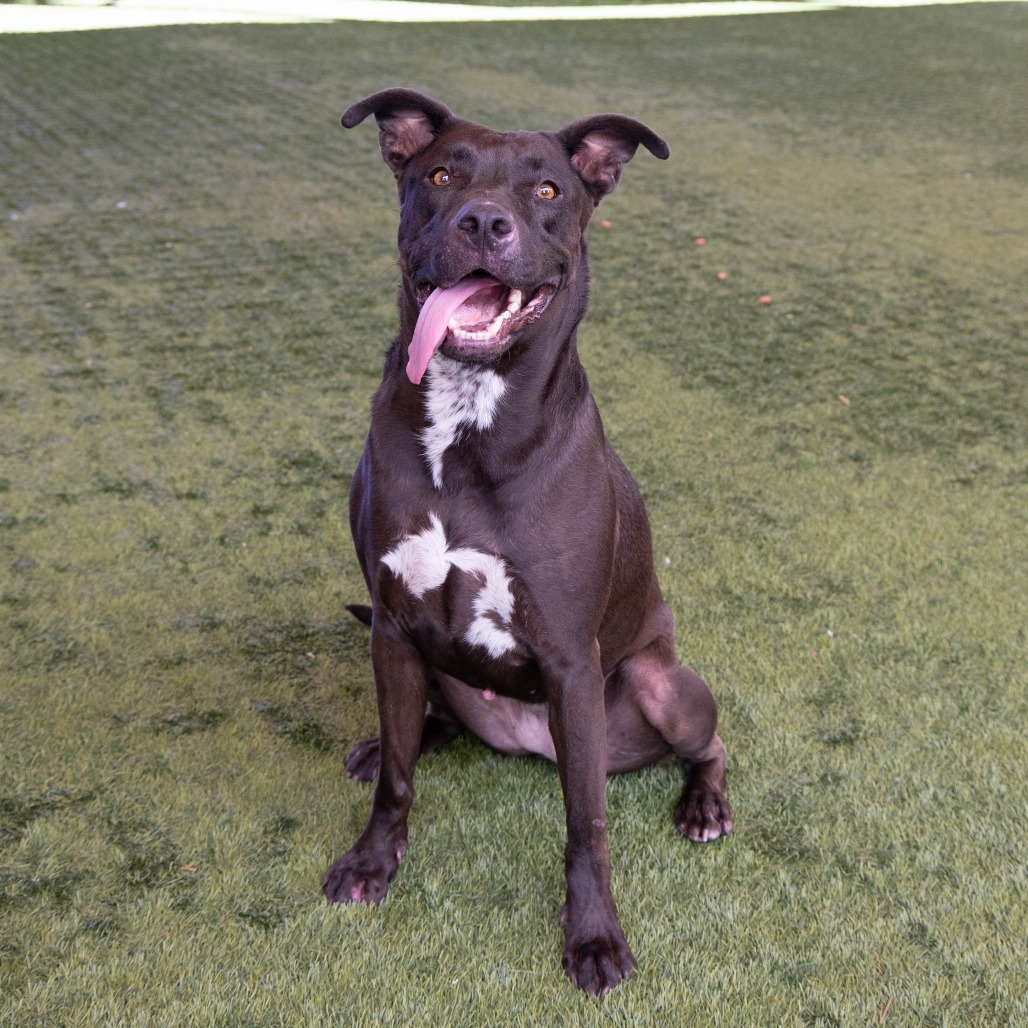
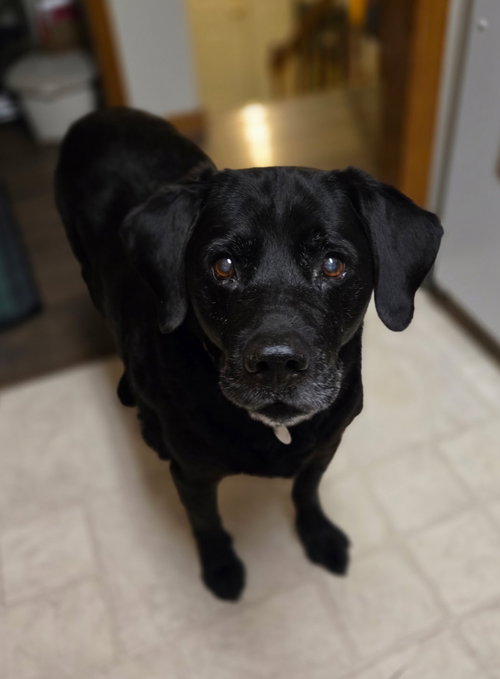
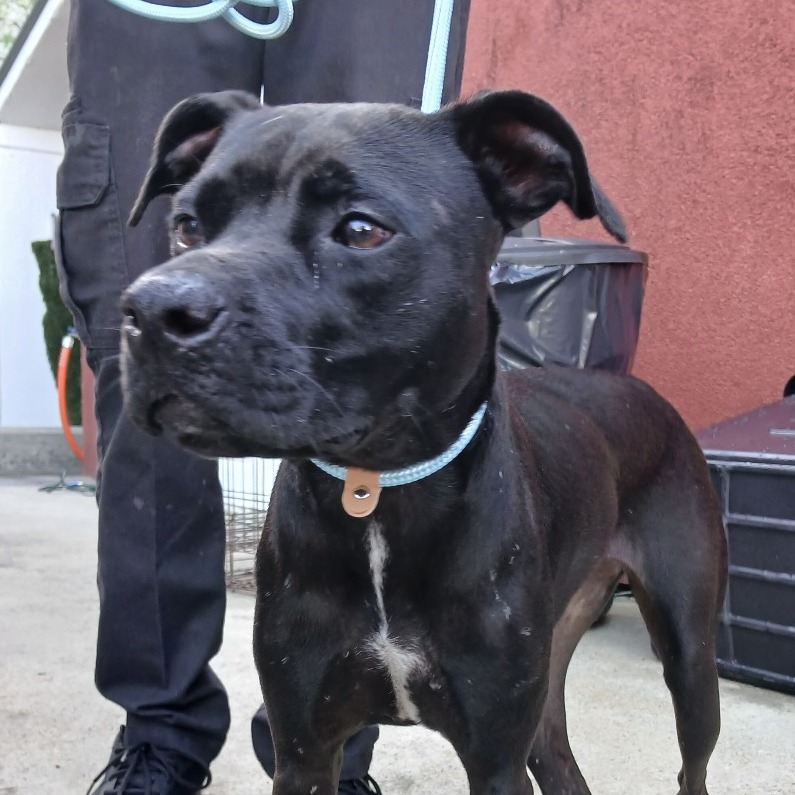
Labs come in three recognized colors: yellow (ranging from cream to fox-red), black, and chocolate. While some owners insist chocolate Labs are "crazier," research hasn't supported meaningful temperament differences by color. What does matter is breeding line - field-bred (American) Labs are leaner and higher energy, while show-bred (English) Labs are stockier and calmer. If you're adopting from a shelter, ask about the dog's energy level and behavior rather than focusing on color.
Field vs. Show Lines
The difference between American (field) and English (show) Labs is significant enough to feel like different breeds. Field Labs have a narrower head, leaner body, and seemingly boundless energy - they were bred for competitive field trials and hunting. English Labs have a blockier head, wider chest, and a notably calmer demeanor - they were bred for conformation shows. Neither is better; they're just different fits for different lifestyles. Most shelter Labs fall somewhere in between.
Exercise & Activity Needs
This is the section that matters most - and the one that trips up first-time Lab owners. Labrador Retrievers are sporting dogs built for hours of physically demanding work. A 20-minute walk around the block will barely take the edge off.
- 1-2 hours of vigorous exercise daily - running, swimming, hiking, fetch
- Water activities - Labs have webbed feet and an otter-like tail designed for swimming; most are water-obsessed
- Fetch and retrieval games - they were literally bred for this; a ball launcher is your best friend
- Mental stimulation - puzzle feeders, scent work, obedience training to tire the brain
- Off-leash time - a fenced yard or open field where they can sprint at full speed
An under-exercised Lab will find ways to burn energy on their own - usually by destroying furniture, digging craters in your yard, or barking incessantly. If your lifestyle can't accommodate this level of activity, a lower-energy breed like a French Bulldog or Bulldog might be a better match.
Exercise by Age
Lab puppies are bundles of chaos, but their growing joints need protection. The general rule is 5 minutes of structured exercise per month of age, twice daily - so a 4-month puppy gets two 20-minute sessions. Avoid long runs and repetitive jumping until they're 18-24 months and their growth plates have closed. Adult Labs (2-7 years) need the full 1-2 hours. Senior Labs (8+) still need daily activity but at a gentler pace - swimming is particularly excellent for aging joints.
Not sure if a Lab is right for you?
Take our 60-second matchmaking quiz and let our algorithm pair you with the perfect breed for your lifestyle.
Take the QuizHealth & Common Issues
Labradors are generally robust dogs, but their popularity means certain genetic conditions have become widespread in the breed. Every potential Lab owner should understand these risks:
- Hip and elbow dysplasia - the most common orthopedic issue in Labs; ask for OFA clearances if getting from a rescue with known history
- Obesity - Labs carry a genetic mutation (POMC gene) that makes them feel perpetually hungry; they will eat until they're sick if you let them. Strict portion control is non-negotiable
- Exercise-Induced Collapse (EIC) - a genetic condition causing muscle weakness and collapse during intense exercise; a DNA test can identify carriers
- Bloat (GDV) - a life-threatening stomach twist more common in deep-chested breeds; learn the signs (distended belly, unproductive retching, restlessness)
- Ear infections - their floppy ears trap moisture, especially after swimming; weekly cleaning is essential
- Eye conditions - progressive retinal atrophy (PRA) and cataracts occur in the breed
Grooming & Shedding
Labs have a short, dense double coat that's deceptively high-maintenance. The outer coat is water-resistant (thanks to their waterfowl-retrieving heritage), and the thick undercoat keeps them insulated. This combination means they shed - constantly.
- Brush 2-3 times per week (daily during spring and fall blowouts)
- Bathe every 4-6 weeks - more often if they swim regularly, as lake and pond water can irritate skin
- Clean ears weekly - especially critical for Labs who swim; dry ears thoroughly after every water session
- Trim nails every 2-3 weeks
- Brush teeth 2-3 times per week
During the biannual coat blowouts in spring and fall, you'll wonder if your Lab is going bald. They're not - they're just replacing their entire undercoat over a 2-3 week period. An undercoat rake and a powerful vacuum cleaner are essential Lab-owner equipment. Consider: you'll find yellow, black, or chocolate hair on every piece of clothing you own.
Swimming and Coat Care
Labs are water dogs to their core, and many swim frequently - which introduces additional grooming considerations. Chlorinated pool water can dry out their coat and skin; always rinse your Lab with fresh water after pool sessions. Lake and pond water can harbor bacteria and algae; check for hot spots (red, irritated patches) after water outings. Their ear canals are especially vulnerable after swimming - dry ears thoroughly every single time to prevent painful infections.
Costs of Owning a Labrador Retriever
| Adoption Fee | $50 - $500 (shelter/rescue) |
| Annual Food | $600 - $1,200 (Labs eat more than average) |
| Vet Care (annual) | $500 - $1,500 |
| Pet Insurance | $40 - $75/month |
| Grooming Supplies | $75 - $200/year |
| Training (first year) | $200 - $600 |
| Toys & Chews | $150 - $400/year (they destroy toys fast) |
| Total First Year | $2,200 - $5,000 |
Breeders charge $1,000-$3,000+ for Lab puppies, making adoption a significantly more affordable path. Plus, many rescue Labs are already past the destructive puppy phase - saving you both money and furniture.
Hidden Costs to Budget For
Beyond the basics, Lab owners should budget for: durable chew toys ($10-$30 each, replaced frequently), a crate large enough for a full-grown Lab ($80-$150), a ball launcher for exercise ($15-$40), and potentially a dog door if you have a fenced yard ($75-$300 installed). If your Lab develops hip dysplasia, treatment options range from daily joint supplements ($30-$60/month) to total hip replacement surgery ($5,000-$7,000 per hip).
Why Adopt a Labrador Retriever?
Labrador Retrievers are among the most commonly surrendered breeds in the country. Their popularity means many families acquire Labs without fully understanding the exercise and space requirements, leading to thousands ending up in shelters each year.
Adopting a Lab gives you all the breed's wonderful qualities - the loyalty, the goofiness, the unwavering companionship - while giving a second chance to a dog that needs one. Many shelter Labs are 1-3 years old, past the most destructive puppy phase, and often already know basic commands.
How to Find Labradors for Adoption
- Browse Foredog - we aggregate Lab listings from shelters and rescues nationwide, updated daily
- Check breed-specific rescues - organizations like Lab Rescue LRCP and Lucky Lab Rescue focus exclusively on Labradors
- Look at Lab mixes too - Lab mixes are the most common dogs in shelters and often inherit the breed's best traits
- Be patient but act fast - purebred Labs in shelters are adopted quickly, so set up alerts
Labrador Retrievers Available for Adoption Near You
Browse real Labrador Retriever listings from shelters across the country - updated daily.
Browse Labrador RetrieversFrequently Asked Questions
Are Labrador Retrievers good for first-time owners?
Yes - Labs are one of the best breeds for first-time owners thanks to their trainability and forgiving temperament. The main challenge is meeting their high exercise needs (1-2 hours daily) and managing their tendency to overeat.
What's the difference between English and American Labs?
English (show-bred) Labs are stockier, broader, and generally calmer. American (field-bred) Labs are leaner, taller, and have significantly higher energy levels. Both are the same breed - the distinction is about breeding purpose, not geographic origin.
Why is my Lab always hungry?
About 25% of Labs carry a POMC gene mutation that disrupts the brain's hunger signaling, making them feel perpetually hungry. Strict portion control and avoiding free-feeding are essential. Ask your vet about a weight management plan.
Do Labs shed a lot?
Yes - Labs are heavy shedders year-round with two major seasonal blowouts. Their short double coat drops hair constantly. Brushing 2-3 times per week and a good vacuum cleaner are necessities, not luxuries.
Can Labrador Retrievers live in apartments?
Labs can adapt to apartment living if you commit to 1-2 hours of daily exercise and mental stimulation. However, they truly thrive with a yard. If you're in a small apartment, a French Bulldog might be a more practical choice.
What is Exercise-Induced Collapse in Labs?
EIC is a genetic condition where Labs experience muscle weakness and collapse during intense exercise. It's not painful, but affected dogs need modified exercise routines. A DNA test can identify carriers before symptoms appear.
How long do Labrador Retrievers live?
The average Lab lifespan is 10-12 years. Maintaining a healthy weight is the single most impactful thing you can do - a landmark study showed lean Labs live an average of 2 years longer than overweight ones.
Find Your Perfect Dog Match
Labrador not quite the right fit? Our matchmaking quiz analyzes your lifestyle and pairs you with the breed that fits you best.
Take the Quiz