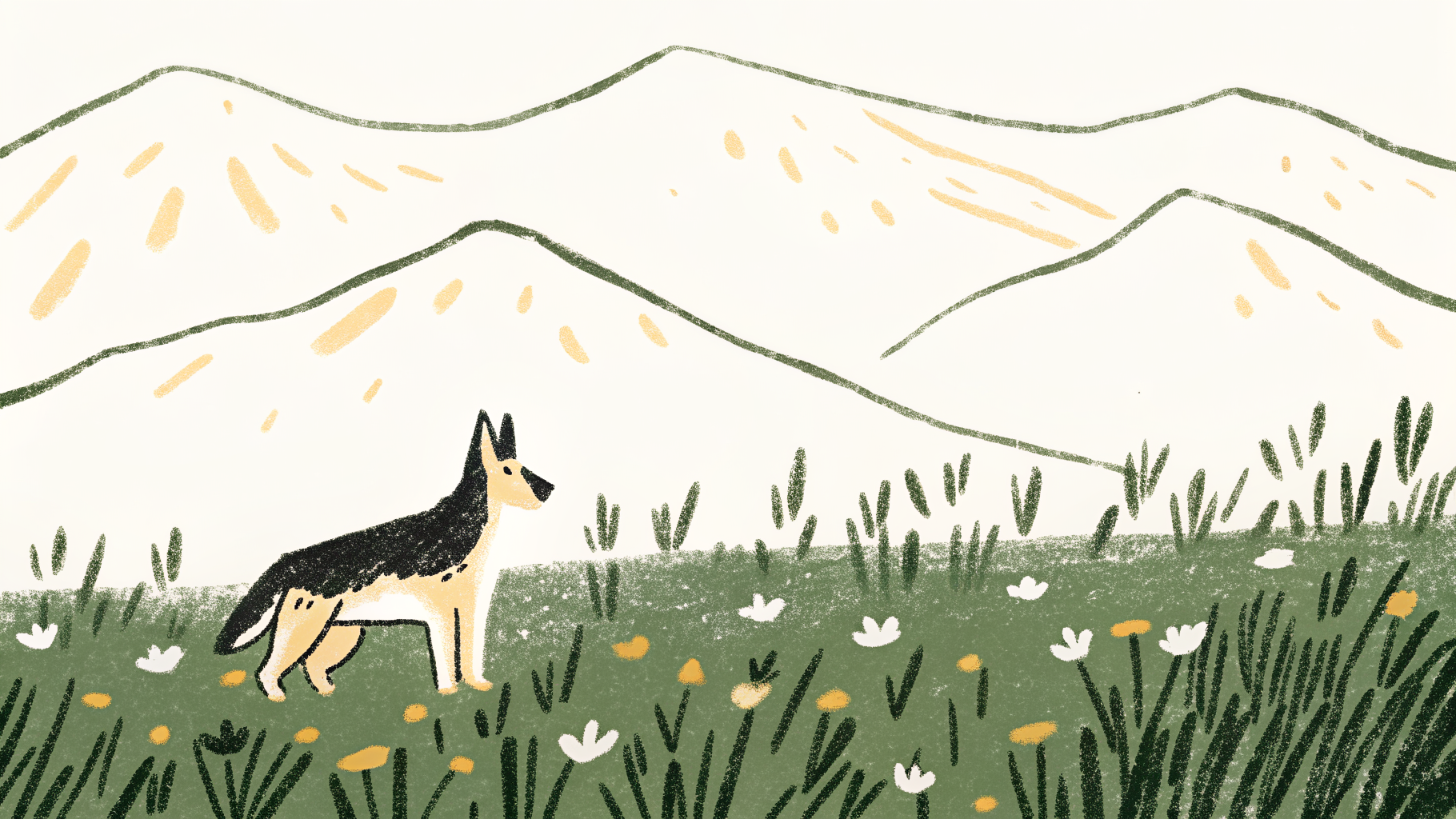
German Shepherd: Is This Working Dog Right for Your Family?
In This Guide
The German Shepherd is the world's premier working dog - and has been for over a century. From police K-9 units and military operations to search-and-rescue missions and disability assistance, GSDs do it all. But they're also the third most popular family dog in America, and their combination of intelligence, loyalty, and protectiveness makes them deeply appealing to households that want both a companion and a guardian.
Here's the catch: German Shepherds are not a "set it and forget it" breed. They were developed by Captain Max von Stephanitz in 1899 specifically to be the ultimate utility dog - which means they need a job, a purpose, and an owner who understands that a bored German Shepherd is a recipe for destruction. This guide covers what you truly need to know.
Quick Facts
| Life Span | 9 - 13 years |
| Weight | 65 - 90 lbs (male) · 50 - 70 lbs (female) |
| Height | 24 - 26 in (male) · 22 - 24 in (female) |
| Temperament | Confident, Courageous, Smart, Loyal |
| Energy Level | Very High - needs 2+ hours of activity daily |
| Shedding | Heavy - "German Shedders" year-round |
| Good With Kids | Very Good - protective and patient with family |
| Good With Other Pets | Good with socialization - can be dog-selective |
| Trainability | Exceptional - top 3 most trainable breeds |
| AKC Group | Herding |
Temperament & Personality
German Shepherds form one of the strongest bonds of any breed with their primary owner. They're often called "velcro dogs" because they'll shadow you everywhere - kitchen, bathroom, garage, you name it. This deep attachment is what makes them exceptional working partners, but it also means they suffer when left alone for extended periods.
With their own family, GSDs are gentle giants. They're remarkably patient with children they've grown up with and will instinctively protect "their" kids. However, their herding instinct means they may try to herd small children by nipping at ankles - redirecting this behavior through training is important.
Unlike the universally friendly Labrador Retriever or Golden Retriever, German Shepherds are discerning. They choose their people deliberately and can be aloof with strangers - which is exactly what many owners want.
The GSD Work Drive
This breed has an intense work drive that must be channeled productively. GSDs thrive in structured environments with clear expectations. Without a "job" - whether that's formal training, daily obedience drills, scent work, or agility - they'll create their own job, usually one involving furniture destruction or obsessive behaviors.
Show Lines vs. Working Lines
German Shepherds are broadly divided into show lines and working lines - and the difference is dramatic. American show-line GSDs have a sloped back, angulated rear, and calmer temperament suited to family life. European working-line GSDs have a straighter back, higher drive, and need significantly more stimulation. West German show lines fall somewhere between. If you're adopting from a shelter, most GSDs are American show-line or mixed-line dogs - but ask about the dog's energy level and drive. A working-line GSD in a casual pet home is a mismatch that leads to behavioral problems.
GSDs and Other Animals
German Shepherds have a moderate prey drive and a strong herding instinct. They can coexist beautifully with cats and small animals when raised together, but introducing an adult GSD to small pets requires careful management. With other dogs, many GSDs are same-sex selective - meaning they get along better with the opposite sex. Slow, structured introductions in neutral territory give the best results.
Exercise & Activity Needs
German Shepherds require more daily activity than most people realize. This isn't a breed that's satisfied with a casual stroll - they need purposeful, varied exercise that engages both body and mind.
- 2+ hours of daily exercise - running, hiking, biking alongside, structured play
- Training sessions daily - 15-20 minutes of obedience, trick training, or scent work
- A fenced yard - they need space to patrol and run; apartment living is challenging
- Varied activities - GSDs get bored with repetition; rotate between fetch, tug, agility, tracking
- Social exercise - they prefer doing activities with their person rather than alone in a yard
A common mistake: owners assume a big backyard is enough exercise. It's not. A GSD in a backyard alone will pace the fence line, bark at neighbors, and dig holes. They need interactive exercise - activities done together with you.
Training as Exercise
For German Shepherds, training IS exercise. Their minds need work as much as their bodies. Structured activities like Schutzhund/IPO (a three-phase sport testing tracking, obedience, and protection), nosework, or even basic obedience drills done at a high level provide the mental exhaustion this breed craves. A 30-minute focused training session can tire a GSD more than an hour of mindless walking. Invest in training - your GSD will be happier and better behaved.
Can your lifestyle handle a German Shepherd?
Take our 60-second matchmaking quiz to see if a GSD - or a lower-energy breed - fits your daily routine.
Take the QuizHealth & Common Issues
German Shepherds are prone to several serious genetic conditions. Responsible knowledge of these issues helps you catch problems early and budget for care:
- Hip and elbow dysplasia - the breed's signature health problem; malformed joints cause pain, lameness, and arthritis. Always check for OFA or PennHIP clearances when possible
- Degenerative Myelopathy (DM) - a progressive spinal cord disease similar to ALS in humans; typically begins around age 8-9 with hind leg weakness. There's no cure, only management. A DNA test exists for the SOD1 gene mutation
- Bloat (GDV) - a life-threatening stomach twist; GSDs are a high-risk breed. Learn the signs: unproductive retching, swollen belly, pacing, distress. This is a veterinary emergency
- Exocrine Pancreatic Insufficiency (EPI) - the pancreas fails to produce enough digestive enzymes; symptoms include weight loss despite ravenous appetite. Manageable with enzyme supplements but requires lifelong treatment
- Allergies and skin issues - food and environmental allergies are common, often causing hot spots and itchy skin
- Perianal fistulas - painful lesions around the anus that are disproportionately common in GSDs
Grooming & Shedding
German Shepherds earn their nickname "German Shedders." They have a thick double coat that sheds constantly and explosively twice a year. If you're not prepared to find hair in your coffee, on your keyboard, and woven into every piece of clothing, this is not the breed for you.
- Brush daily during blowout season (spring and fall), 3-4 times per week otherwise
- Undercoat rake is essential - a regular brush won't reach the dense undercoat
- Bathe every 4-6 weeks - overbathing strips the coat's natural oils
- Clean ears weekly - their upright ears rarely get infections but still need maintenance
- Trim nails every 2-3 weeks
- Brush teeth 2-3 times per week
During blowout season, you'll remove clumps of undercoat that look like small animals. A high-powered pet dryer (or a leaf blower on low) can help blast out the loose coat. Many GSD owners keep a designated "fur sweater" they wear while brushing because the hair cloud is that intense.
Costs of Owning a German Shepherd
| Adoption Fee | $50 - $500 (shelter/rescue) |
| Annual Food | $600 - $1,200 (large breed formula) |
| Vet Care (annual) | $600 - $2,000 |
| Pet Insurance | $45 - $85/month |
| Grooming Supplies | $100 - $250/year |
| Training (first year) | $300 - $1,000 (professional training recommended) |
| Hip/Elbow Surgery (if needed) | $3,500 - $7,000 per joint |
| Total First Year | $2,500 - $5,500 |
Professional training is a near-necessity for German Shepherds - not because they're difficult, but because their size and protective instincts demand a well-trained dog. A poorly trained 80-pound GSD can become a liability. Factor training costs into your budget from day one.
Insurance Considerations
Some homeowner's and renter's insurance policies list German Shepherds as a "restricted breed," potentially increasing premiums or excluding coverage for dog-related incidents. Check with your insurance provider before adopting. Many companies have moved away from breed-specific restrictions, but it's essential to verify. Pet insurance for GSDs typically runs $45-$85/month due to their hip and joint predispositions - get it early before any conditions are documented.
Why Adopt a German Shepherd?
German Shepherds are the second most commonly surrendered breed in the United States. Their intelligence, exercise requirements, and need for socialization mean many well-intentioned owners become overwhelmed - especially those who get a GSD puppy without understanding what they're signing up for.
Rescue GSDs often come with basic training and are past the intense puppy phase (which is particularly challenging with this breed). Many breed-specific rescues evaluate temperament thoroughly, so you'll know exactly what you're getting.
How to Find German Shepherds for Adoption
- Browse Foredog - we list German Shepherds from shelters and rescue organizations across the country
- Check breed-specific rescues - Westside German Shepherd Rescue, Coastal German Shepherd Rescue, and regional GSD rescues are excellent resources
- Be honest about your experience - many GSD rescues screen adopters carefully; they want dogs in the right homes
- Consider retired working dogs - police and military GSDs sometimes need civilian homes after their service careers
German Shepherds Available for Adoption Near You
Browse real German Shepherd listings from shelters across the country - updated daily.
Browse German ShepherdsFrequently Asked Questions
Are German Shepherds good for first-time owners?
German Shepherds can work for dedicated first-time owners willing to invest in professional training and daily exercise. However, they're better suited for experienced dog owners who understand pack dynamics and can provide consistent leadership.
Do German Shepherds get along with other dogs?
With proper socialization, most GSDs coexist well with other dogs. However, some can be dog-selective or same-sex aggressive. Early socialization between 8-16 weeks is critical. Introducing a GSD to an existing dog household requires careful, gradual introductions.
Why does my German Shepherd follow me everywhere?
GSDs were bred to work closely with a handler. They form intense bonds with their primary person and naturally want to be nearby at all times. This "velcro dog" behavior is normal for the breed - it's a sign of bonding, not anxiety (though separation anxiety can develop if not managed).
How much do German Shepherds shed?
German Shepherds are among the heaviest-shedding breeds. They shed year-round with two major blowouts in spring and fall. Daily brushing during blowouts and 3-4 times weekly otherwise is essential. A good vacuum cleaner is a non-negotiable purchase.
What is Degenerative Myelopathy in German Shepherds?
DM is a progressive neurological disease affecting the spinal cord, similar to ALS in humans. It typically appears around age 8-9 with hind leg weakness and gradually progresses. A DNA test for the SOD1 gene can identify at-risk dogs. There's no cure, but physical therapy and mobility aids can maintain quality of life.
Are German Shepherds aggressive?
Well-socialized German Shepherds are not inherently aggressive. They are naturally protective and wary of strangers, which is different from aggression. Problems arise when GSDs lack socialization, training, or proper exercise - leading to fear-based reactivity. A well-raised GSD is confident, not aggressive.
Can German Shepherds live in apartments?
It's not ideal. GSDs need space and 2+ hours of daily exercise. While a very committed owner could make apartment living work with extensive outdoor time, this breed truly thrives with a yard and room to move. Consider a French Bulldog for apartment living.
Find Your Perfect Dog Match
German Shepherd not quite the right fit? Our matchmaking quiz analyzes your lifestyle and pairs you with the breed that fits you best.
Take the Quiz