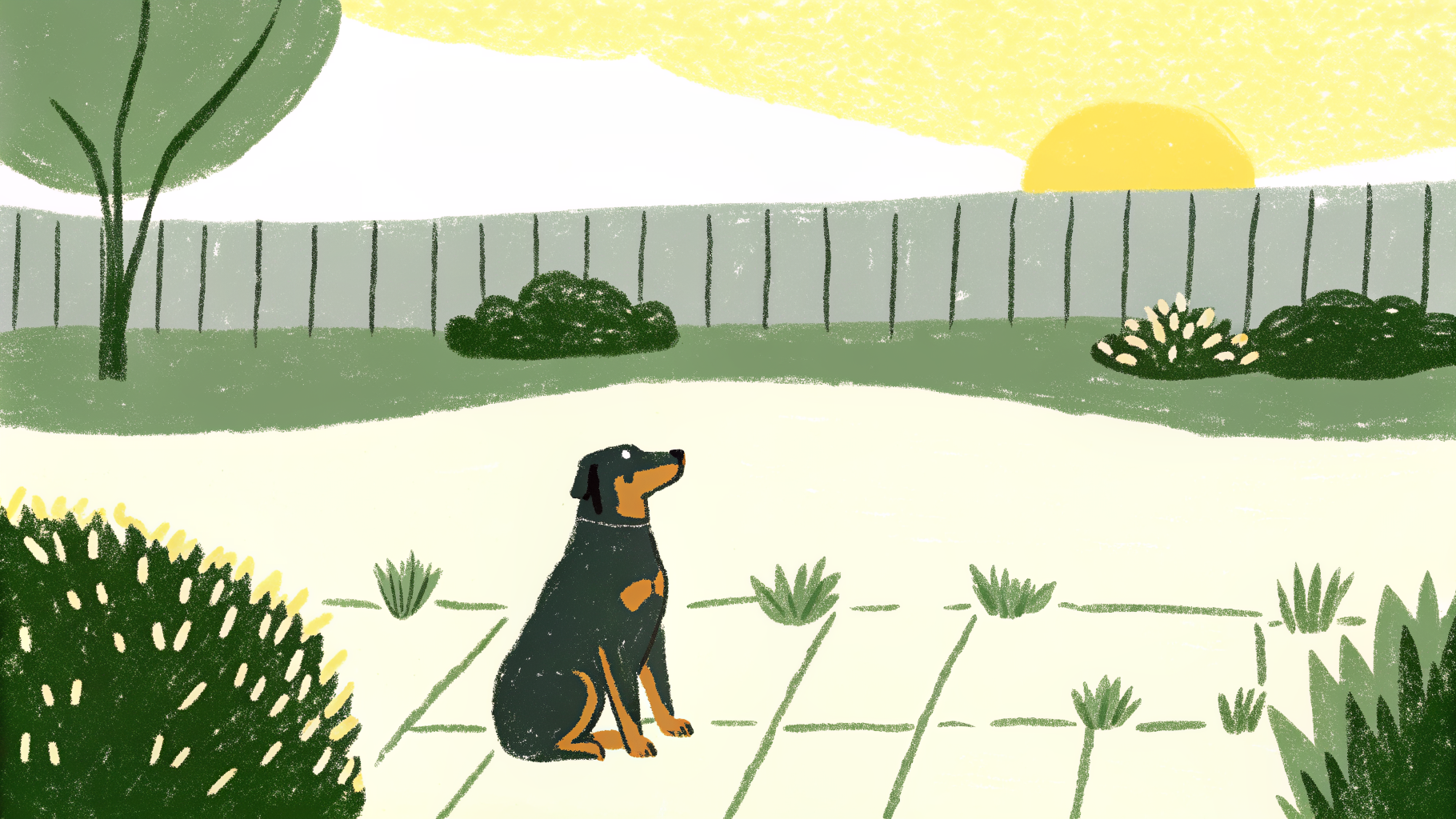
Rottweiler: Loyal Guardian or Family Pet? Both.
In This Guide
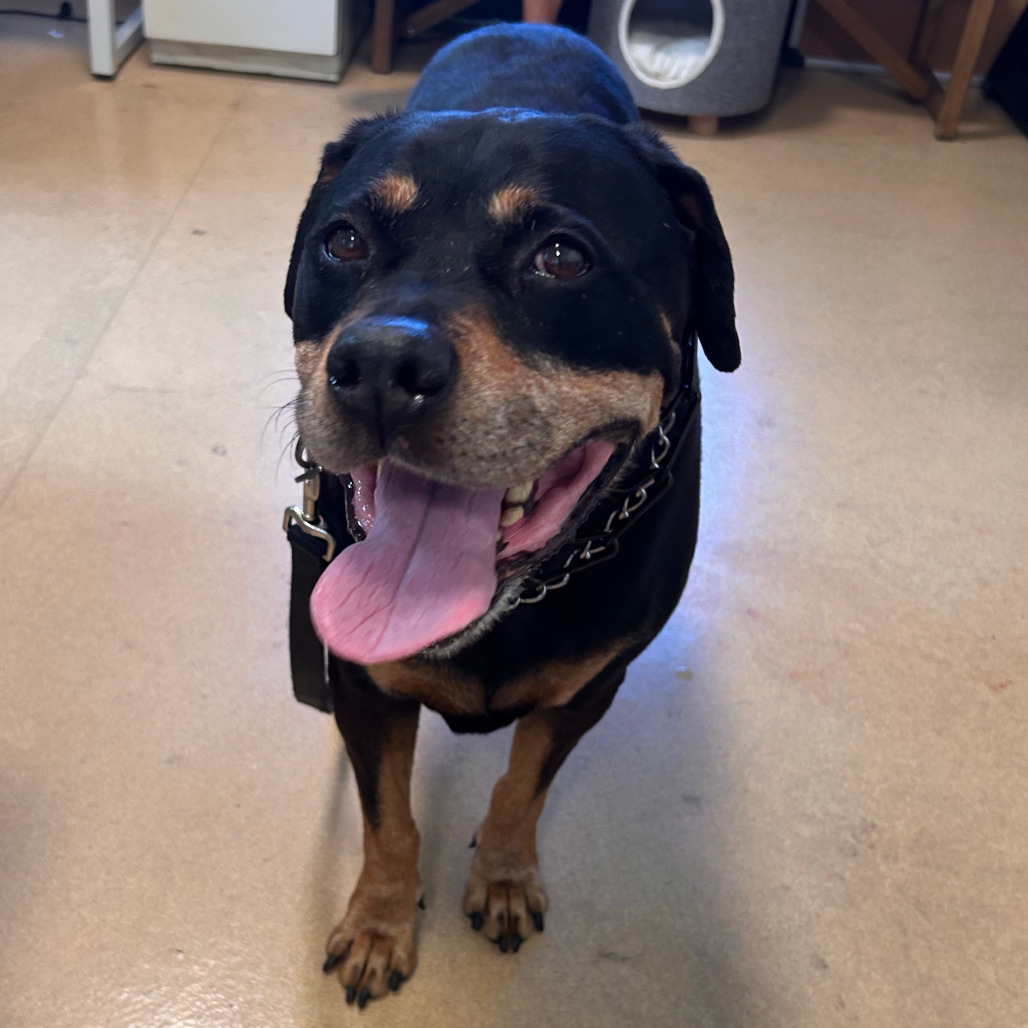
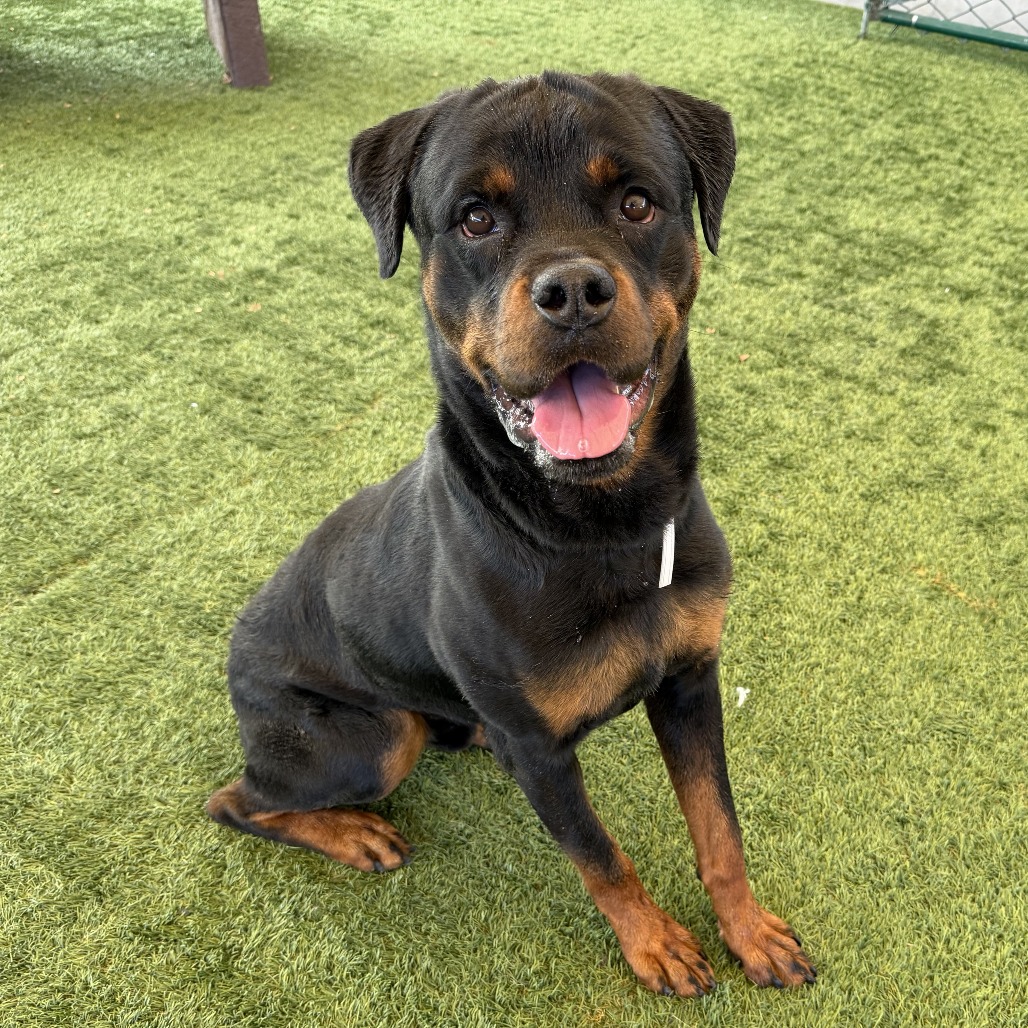
No breed is more misunderstood than the Rottweiler. Media portrayals have painted them as aggressive and dangerous, but anyone who's actually lived with a well-raised Rottie knows the truth: they're goofy, affectionate, and will lean their 120-pound body against your legs for belly rubs with the subtlety of a bowling ball. Rottweilers consistently rank among the top 10 most popular breeds in America because the people who know them, love them.
Descended from the Roman drover dogs that marched with legions across Europe, Rottweilers were later used by butchers in the German town of Rottweil to pull carts and guard money pouches. That heritage gave them a powerful body, a strong protective instinct, and an unshakeable work ethic. Today's Rottweiler channels those same traits into being a devoted family guardian - but only when raised by an owner who understands the responsibility. Here's the complete picture.
Quick Facts
| Life Span | 8 - 10 years |
| Weight | 95 - 135 lbs (male) · 80 - 100 lbs (female) |
| Height | 24 - 27 in (male) · 22 - 25 in (female) |
| Temperament | Confident, Loyal, Calm, Courageous |
| Energy Level | Moderate to High - 1-2 hours of daily activity |
| Shedding | Moderate - double coat with seasonal increases |
| Good With Kids | Very Good - gentle with family children when socialized |
| Good With Other Pets | Variable - needs careful introduction and socialization |
| Trainability | High - eager to work, responds to confident leadership |
| AKC Group | Working |
Temperament & Personality
The Rottweiler's temperament is best described as "calm confidence." They observe the world with a quiet intensity, assessing situations before reacting. Unlike nervous or reactive breeds, a well-bred Rottweiler doesn't bark at every sound or lunge at passing dogs - they're secure in their strength and don't feel the need to prove it.
Within their family, Rottweilers are surprisingly silly and affectionate. They have a distinctive "Rottie rumble" - a low, vibrating growl-like sound they make when content (like a cat's purr, but much louder). They'll drape themselves across your lap despite being 100+ pounds, follow you from room to room, and exhibit a gentleness with "their" children that contradicts every negative stereotype.
With strangers, Rottweilers are reserved but not hostile. They take a wait-and-see approach - watching new people carefully before warming up. This makes them natural guardians without needing any protection training. In fact, protection training a Rottweiler without professional guidance can be dangerous and is strongly discouraged.
The Socialization Imperative
Early socialization isn't optional with a Rottweiler - it's the single most important thing you'll do. Between 8-16 weeks, your Rottie needs positive exposure to dozens of different people, dogs, environments, and situations. Without this critical-period socialization, natural wariness can develop into fear-based reactivity in a very powerful dog. The stakes are higher with a 120-pound breed than with a 15-pound one.
Rottweilers and Breed Stigma
Rottweiler owners quickly learn that their dog's breed comes with public perception challenges. Some people will cross the street when they see you coming. Neighbors may complain preemptively. Insurance companies may inquire about the breed. Some municipalities have Breed-Specific Legislation (BSL) that restricts or bans Rottweiler ownership entirely. Before adopting, check your local ordinances, HOA rules, and insurance policy for breed restrictions. The good news: BSL is declining as more jurisdictions move to deed-based (individual dog behavior) rather than breed-based regulations.
Rottweilers and Their Families
Within the family unit, Rottweilers are strikingly different from the tough exterior image. They love physical contact - expect a 120-pound dog to try to sit in your lap. They follow household members from room to room, sleep pressed against your legs, and develop individual relationships with each family member. Many Rottie owners have stories of their "tough" guard dog being afraid of thunderstorms, hiding behind them at the vet, or gently carrying a stuffed toy around the house. The contrast between public perception and private reality is enormous.
Exercise & Activity Needs
Rottweilers are working dogs that need meaningful daily activity, but they're not the nonstop energy machines that Australian Shepherds or German Shepherds can be. They have an "off switch" that many working breeds lack.
- 1-2 hours of daily exercise - walks, controlled play, training, swimming
- Mental stimulation is critical - obedience work, puzzle toys, scent games, cart/weight pulling
- Structured activities - Rotties thrive with routine; consistent walk times and training schedules help
- Avoid high-impact exercise during growth - until 18-24 months, protect growing joints by limiting jumping and long runs
- Swimming - many Rottweilers enjoy water and it's excellent low-impact exercise for joint health
An under-exercised Rottweiler becomes a bored Rottweiler - and a bored 120-pound dog with powerful jaws will find its own entertainment. Destroyed furniture, excavated yards, and resource guarding behaviors can all emerge from pent-up energy. The solution is always more exercise and engagement, not punishment.
Is a Rottweiler the right dog for you?
Take our 60-second matchmaking quiz to see if a Rottweiler - or another breed - matches your lifestyle and experience level.
Take the QuizHealth & Common Issues
Rottweilers face several significant health challenges, including a disproportionately high cancer rate. Understanding these conditions helps you catch problems early:
- Osteosarcoma (bone cancer) - Rottweilers have one of the highest rates of bone cancer of any breed. It typically affects the long bones of the legs, causing lameness and swelling. Sadly, prognosis is often poor even with treatment. Any sudden lameness in a Rottweiler warrants immediate veterinary attention
- Hip and elbow dysplasia - common in large breeds; the Rottweiler's heavy frame puts extra stress on joints. OFA screening is important
- Aortic stenosis - a heart condition where the aortic valve narrows, restricting blood flow. Can range from mild (no treatment needed) to severe (sudden death risk). A board-certified cardiologist should evaluate any Rottweiler with a heart murmur
- Bloat (GDV) - deep-chested Rottweilers are at elevated risk; learn the signs and have an emergency vet plan
- Cruciate ligament tears - their weight makes ACL tears more common; surgical repair costs $3,000-$6,000 per knee
- Lymphoma - another cancer type seen at higher rates in Rottweilers
Grooming & Shedding
Rottweilers have a short-to-medium double coat that's relatively low-maintenance compared to long-coated breeds. However, they shed more than most people expect from a short-haired dog.
- Brush 2-3 times per week - a rubber curry brush or bristle brush works well
- Daily brushing during spring/fall blowouts - the undercoat comes out in clumps
- Bathe every 4-6 weeks - or as needed; Rottweilers don't have a strong "doggy" odor
- Clean ears weekly - their folded ears can trap moisture
- Trim nails every 2-3 weeks - important for joint health at their weight
- Brush teeth 2-3 times per week
Rottweiler shedding is moderate most of the year but ramps up significantly during seasonal coat changes. A deshedding tool and regular vacuuming will keep the situation manageable. Their coat doesn't mat or tangle, so there's no need for professional grooming.
Drool Management
Rottweilers are moderate droolers - not as extreme as Saint Bernards or Mastiffs, but you'll notice it, especially after drinking water, during exercise, or when food is nearby. Keep towels near water bowls and food areas. Some Rotties drool more than others; this varies by individual head structure. Dogs with looser jowls drool more. It's a small consideration but worth knowing before white furniture purchases.
Feeding a Rottweiler
Rottweilers need high-quality, large-breed-formula food that supports their muscle mass and joint health. Puppies should eat large-breed puppy food that controls growth rate - too-rapid growth in Rottweilers increases hip and elbow dysplasia risk. Adult Rotties typically eat 4-6 cups of food daily, split into two meals. Avoid free-feeding; Rottweilers can gain weight easily, and extra pounds stress their joints and heart. Joint supplements containing glucosamine and chondroitin ($20-$40/month) are worth discussing with your vet, especially after age 4.
Costs of Owning a Rottweiler
| Adoption Fee | $50 - $500 (shelter/rescue) |
| Annual Food | $700 - $1,500 (large breed, high quality needed) |
| Vet Care (annual) | $600 - $2,500 |
| Pet Insurance | $50 - $90/month |
| Training (first year) | $500 - $1,500 (professional training strongly recommended) |
| Grooming Supplies | $75 - $200/year |
| Cancer Treatment (if needed) | $5,000 - $15,000+ |
| Total First Year | $3,000 - $6,500 |
Professional training is one of the most important investments you'll make with a Rottweiler. Group obedience classes ($200-$400) are the minimum; many owners benefit from private sessions with a trainer experienced in working breeds. Also be aware: some homeowner's insurance policies exclude or surcharge Rottweiler ownership. Check your policy before adopting.
Why Adopt a Rottweiler?
Rottweilers are among the most commonly surrendered large breeds. Owners who weren't prepared for their size, strength, or training needs often give them up within the first two years. Breed-specific legislation (BSL) in some cities also forces owners to surrender their Rotties through no fault of the dog.
Rescue Rottweilers are frequently 1-4 years old with basic training and known temperaments. Good breed-specific rescues temperament-test every dog extensively, so you'll know whether the dog is good with kids, other dogs, and cats before you adopt. Many rescue Rotties are wonderful, well-adjusted dogs who simply ended up with the wrong owner the first time.
How to Find Rottweilers for Adoption
- Browse Foredog - we list Rottweilers from shelters and rescue organizations across the country
- Check breed-specific rescues - Rottweiler Rescue Foundation, Rotten Rottie Rescue, and regional Rottweiler rescues specialize in the breed
- Be patient with the process - reputable Rottweiler rescues have thorough applications and home checks; this protects the dog and you
- Prepare for a home visit - secure fencing (6 feet minimum) is usually required by rescues
Rottweilers Available for Adoption Near You
Browse real Rottweiler listings from shelters across the country - updated daily.
Browse RottweilersFrequently Asked Questions
Are Rottweilers dangerous?
No - well-socialized, properly trained Rottweilers are not inherently dangerous. They consistently pass temperament tests at higher rates than many "friendly" breeds. Problems arise from poor socialization, lack of training, or irresponsible ownership. Any large, powerful dog requires responsible ownership.
Are Rottweilers good with children?
Yes - Rottweilers raised with children are typically gentle, patient, and protective. They're sturdy enough to handle accidental bumps from toddlers. However, supervision is always important given their size, and children should be taught to respect the dog's space. Socialization from puppyhood is key.
Do Rottweilers need experienced owners?
Strongly recommended. Rottweilers are powerful, intelligent dogs that need confident, consistent leadership. First-time owners can succeed with professional training and a commitment to ongoing socialization, but the learning curve is steeper than with breeds like Labrador Retrievers.
What is the "Rottie rumble"?
The Rottie rumble is a distinctive low, vibrating growl-like sound that Rottweilers make when they're content or happy. It can sound alarming to people unfamiliar with the breed, but it's the Rottweiler equivalent of a cat's purr - a sign of contentment and affection.
Why do Rottweilers get cancer so often?
Rottweilers have a genetic predisposition to several cancer types, particularly osteosarcoma (bone cancer) and lymphoma. The exact genetic mechanisms aren't fully understood, but cancer is the leading cause of death in the breed. Regular veterinary checkups and early detection are critical.
Will my insurance cover a Rottweiler?
Some homeowner's insurance policies exclude or surcharge Rottweiler ownership due to breed-specific liability concerns. Check with your insurance company before adopting. Many insurers evaluate individual dogs rather than blanket breed bans. Renter's insurance policies also vary.
How long do Rottweilers live?
The average Rottweiler lifespan is 8-10 years, shorter than many breeds due to cancer prevalence. Maintaining a healthy weight, regular vet visits, and an active lifestyle can help maximize their years. Some Rotties live to 12+ with excellent genetics and care.
Find Your Perfect Dog Match
Rottweiler not quite the right fit? Our matchmaking quiz analyzes your lifestyle and pairs you with the breed that fits you best.
Take the Quiz