Australian Shepherd: The Smartest Dog You'll Ever Own
In This Guide
The Australian Shepherd - despite the name, an American-bred dog developed on Western ranches - is one of the most capable, intelligent, and intense dogs you will ever encounter. They dominate competitive agility, excel in herding trials, and have a work ethic that puts most humans to shame. Their stunning merle coats and striking multi-colored eyes have made them Instagram favorites, driving a surge in popularity that has landed many Aussies in shelters - because looking gorgeous on a screen and living with one are very different things.
Australian Shepherds are not a breed you can casually own. They need a job - a real, daily, mentally demanding job. Without one, they will create their own: reorganizing your furniture, herding your children into corners, disassembling your garden, or developing obsessive behaviors like shadow-chasing and spinning. If you have an active lifestyle and want a dog that can keep up with literally anything you throw at them, an Aussie might be your perfect match. If you want a chill companion for movie nights, keep scrolling to our Bulldog guide.
Quick Facts
| Life Span | 13 - 15 years |
| Weight | 50 - 65 lbs (male) · 40 - 55 lbs (female) |
| Height | 20 - 23 in (male) · 18 - 21 in (female) |
| Temperament | Intelligent, Work-Oriented, Loyal, Energetic |
| Energy Level | VERY HIGH - 2+ hours of daily activity required |
| Shedding | Heavy - double coat with seasonal blowouts |
| Good With Kids | Good - may herd children; best with active families |
| Good With Other Pets | Good with socialization - will try to herd everything |
| Trainability | Exceptional - among the smartest breeds, thrives on learning |
| AKC Group | Herding |
Temperament & Personality
Australian Shepherds are the definition of "velcro dog." They bond intensely with their person (or family) and want to be involved in everything you do - every room you enter, every errand you run, every activity you start. This isn't clingy; it's the working partnership mindset. Aussies were bred to work alongside a rancher from dawn to dusk, and they bring that same "I'm your coworker" energy to domestic life.
With their family, Aussies are affectionate, playful, and genuinely fun to live with. They have a sense of humor, learn tricks with frightening speed, and will actively try to communicate complex ideas to you through body language and vocalizations. Many Aussie owners describe it as living with an especially opinionated toddler who also happens to be an elite athlete.
With strangers, Aussies range from reserved to aloof. They're not the greeting-committee types like Labradors or Golden Retrievers. Some Aussies develop reactivity toward unfamiliar people or dogs if not properly socialized during the critical 8-16 week window. Early and ongoing socialization is crucial.
The Herding Drive
Everything an Australian Shepherd does is filtered through their herding instinct. They'll try to herd children (nipping at heels), cats (cornering them), other dogs (controlling their movement), and even adults (body-blocking you from the "wrong" direction). This isn't aggression - it's deeply ingrained working behavior that must be redirected, not punished. Herding balls, agility courses, and formal herding classes give this instinct an appropriate outlet.
Separation Anxiety
Because of their intense bonding, Australian Shepherds are highly prone to separation anxiety. An Aussie left alone for 8 hours in an empty house is a recipe for destroyed furniture, non-stop barking, and a mentally suffering dog. They need a household where someone is home frequently, or arrangements for dog walkers, daycare, or a canine companion.
The Aussie Stare
Australian Shepherds have an intense, focused stare that can be unsettling to people unfamiliar with herding breeds. This is the "eye" - a hard, direct gaze that herding dogs use to control livestock. Your Aussie will use it on you, too: staring while you eat dinner, watching you intently during play, fixing their gaze on you when they want something. It's a communication tool, not a challenge. Many Aussie owners find it endearing once they understand it - your dog is literally paying you their most focused attention.
Coat Colors and Eye Colors
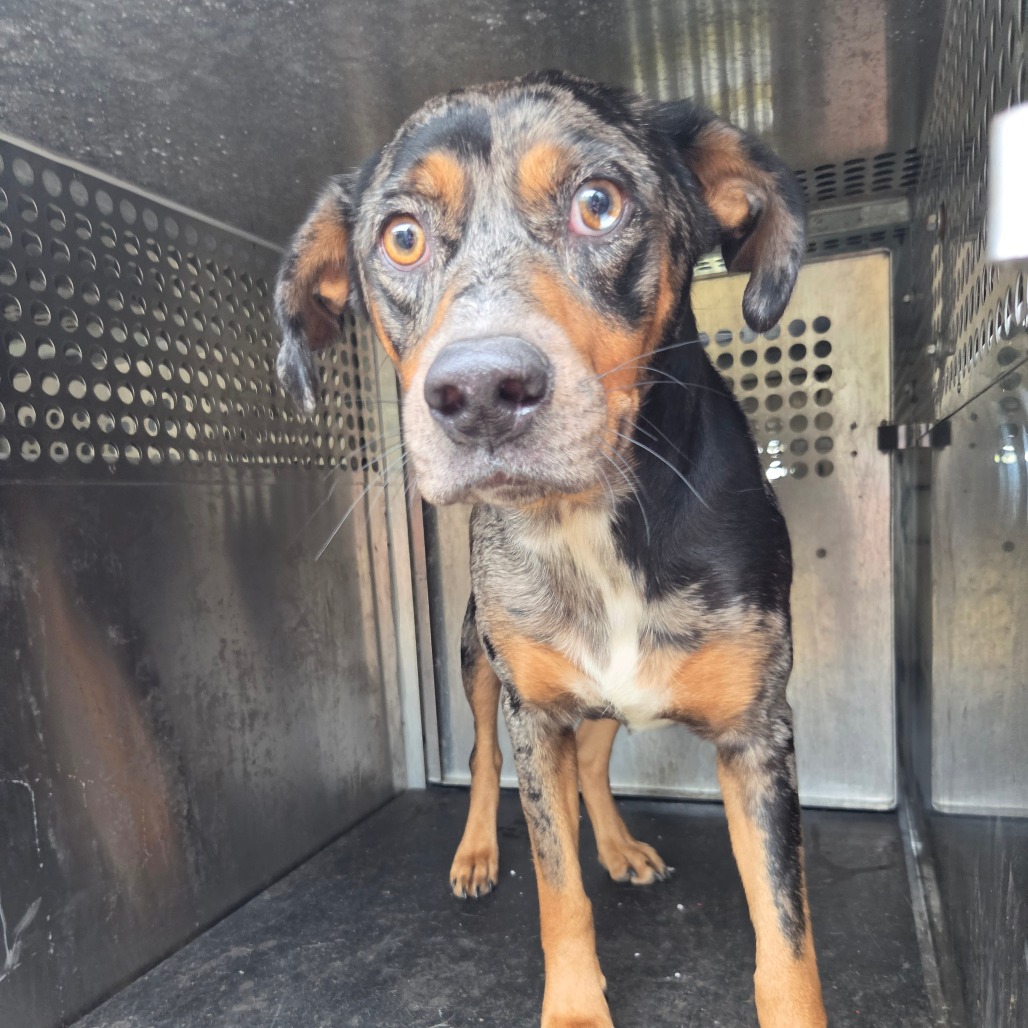
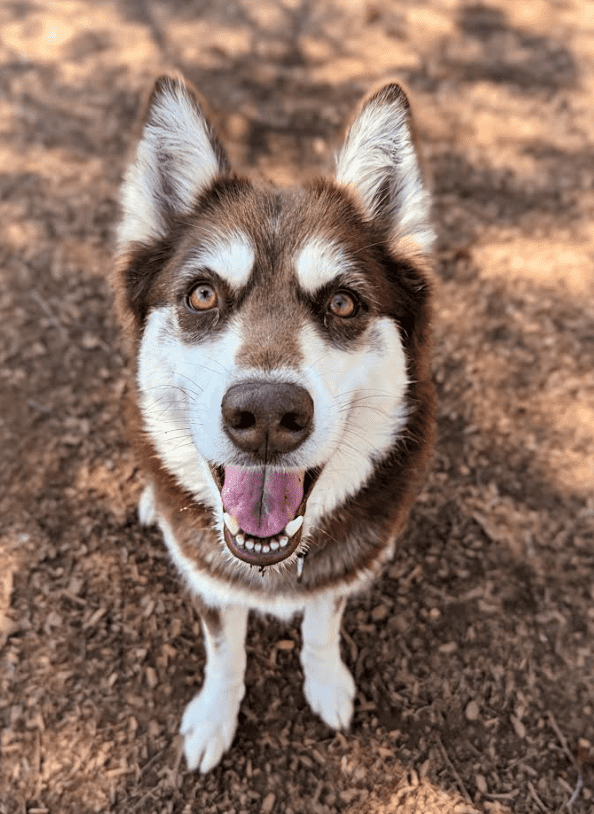
Australian Shepherds come in four recognized colors - black, blue merle, red (liver), and red merle - with or without white markings and copper points. Their eyes can be brown, blue, amber, or any combination, including heterochromia (two different-colored eyes) and even split eyes (two colors in one eye). The merle patterns are genetically unique - no two merle Aussies have the same pattern. This visual variety makes them stunning dogs, but remember: never prioritize appearance over temperament and health when choosing a dog.
Exercise & Activity Needs
This is the most critical section in this guide. If there's one thing that defines the Australian Shepherd experience, it's the exercise requirement. Aussies need 2+ hours of meaningful daily activity - and "meaningful" means engaging their brain, not just their legs.
- 2+ hours of vigorous exercise daily - running, hiking, biking alongside, swimming, fetch at full speed
- Mental stimulation for at least 30-60 minutes additionally - obedience drills, trick training, puzzle toys, scent work
- A job or sport - agility, flyball, disc dog, herding, dock diving, rally obedience - Aussies need a structured activity to master
- Off-leash running - in a secure area; Aussies need to sprint at full speed regularly
- Variety - repeating the same walk route daily bores an Aussie quickly; change locations, activities, and challenges
Here's the trap many Aussie owners fall into: they think more physical exercise alone will tire their dog. It doesn't - it builds an fitter Aussie that needs even more exercise. Mental stimulation is what truly tires this breed. A 20-minute training session can exhaust an Aussie more than a 2-hour hike. The ideal approach combines both: physically tire them AND mentally challenge them.
Can your lifestyle handle an Aussie's energy?
Take our 60-second matchmaking quiz to see if an Australian Shepherd - or a calmer breed - fits your daily routine.
Take the QuizHealth & Common Issues
Australian Shepherds are generally healthy with above-average longevity, but several breed-specific conditions require awareness:
- MDR1 Gene Mutation - this is the most important health concern specific to Aussies. Roughly 50% carry the MDR1 (Multi-Drug Resistance 1) gene mutation, which makes them hypersensitive to common medications including ivermectin (common heartworm preventive), loperamide (Imodium), and several chemotherapy drugs. A reaction can be fatal. Every Australian Shepherd should be DNA-tested for MDR1 - it's a simple, inexpensive test that could save their life
- Hip dysplasia - common in medium-to-large active breeds; OFA screening recommended
- Epilepsy - idiopathic epilepsy occurs at higher rates in Aussies than many breeds; typically manageable with medication
- Eye problems - Collie Eye Anomaly (CEA), cataracts, and progressive retinal atrophy all occur in the breed. Annual eye exams by a veterinary ophthalmologist are recommended
- Double merle health issues - breeding two merle-coated Aussies together can produce "double merle" puppies with a 25% chance of deafness and/or blindness. This is why responsible breeding matters
- Cancer - particularly lymphoma and hemangiosarcoma at higher rates than average
- Autoimmune conditions - thyroiditis and other autoimmune disorders are seen in the breed
Grooming & Shedding
Australian Shepherds have a beautiful medium-length double coat that comes in four recognized colors: black, blue merle, red, and red merle. That beautiful coat comes with a price: heavy shedding.
- Brush 3-4 times per week - daily during spring and fall blowout seasons
- Undercoat rake plus slicker brush - you need both; the undercoat rake reaches the dense undercoat, while the slicker handles the outer coat and tangles
- Pay attention to "feathering" - the longer hair on legs, chest, and behind ears mats easily and needs extra attention
- Never shave an Aussie - their double coat insulates against both heat AND cold; shaving destroys the coat's structure and can cause permanent texture changes
- Bathe every 4-6 weeks
- Clean ears weekly
- Trim nails every 2-3 weeks
- Brush teeth 2-3 times per week
During blowout season (2-4 weeks in spring and fall), Australian Shepherds shed their entire undercoat. It comes out in clumps, tufts, and clouds of fur. A high-velocity pet dryer or deshedding bath at a groomer can help speed the process. Between blowouts, shedding is moderate but constant. Like Corgis and German Shepherds, Aussie hair becomes part of your wardrobe whether you want it to or not.
Outdoor vs. Indoor Aussies
Some owners keep their Aussies primarily outdoors, reasoning that a working dog needs outdoor space. While Aussies love being outside, they should live indoors with their family. They're bonding-driven dogs that develop behavioral problems when isolated outside - chronic barking, digging, fence-jumping, and anxiety. The ideal setup is an Aussie that spends active time outdoors with you (exercise, training, play) and relaxes indoors with the family afterward. A fenced yard is a valuable exercise supplement, not a substitute for engagement.
Miniature and Toy Australian Shepherds
Miniature American Shepherds (formerly called Mini Aussies) and Toy Aussies are smaller versions bred down from standard Australian Shepherds. Minis are 14-18 inches and 20-40 lbs; Toys are under 14 inches. While they share intelligence and herding instincts with standard Aussies, they can be a better fit for smaller living spaces. However, they still need substantial exercise and mental stimulation. A Mini Aussie in an apartment with no outlet is just as much of a behavioral challenge as a full-sized Aussie.
Costs of Owning an Australian Shepherd
| Adoption Fee | $100 - $500 (shelter/rescue) |
| Annual Food | $500 - $1,000 (active dogs eat more) |
| Vet Care (annual) | $400 - $1,200 |
| Pet Insurance | $35 - $65/month |
| MDR1 DNA Test | $60 (one-time, essential) |
| Training & Sports | $500 - $1,500/year (agility classes, equipment) |
| Grooming Supplies | $100 - $250/year |
| Total First Year | $2,500 - $5,500 |
The hidden cost of Australian Shepherd ownership is the activities budget. Agility classes ($100-$200/month), herding lessons ($50-$100/session), and equipment add up - but they're not optional for this breed. They're the cost of keeping your Aussie sane and your furniture intact. Think of it as a gym membership for your dog that prevents thousands in behavioral-damage repairs.
Why Adopt an Australian Shepherd?
Australian Shepherds are increasingly common in shelters as their Instagram-fueled popularity brings in owners who saw a gorgeous merle coat and didn't research the 2+ hours of daily exercise required. The breed's rise in popularity has directly correlated with a rise in Aussie surrenders - usually between ages 1-3, when the adolescent energy peaks and overwhelmed owners give up.
Rescue Aussies are often 1-3 years old, already past the most destructive puppy phase, and frequently know basic commands. Many breed-specific rescues do thorough behavioral evaluations, so you'll know the dog's energy level, social preferences, and any quirks before you bring them home.
How to Find Australian Shepherds for Adoption
- Browse Foredog - we list Australian Shepherds from shelters and rescue organizations across the country
- Check breed-specific rescues - Aussie Rescue & Placement Helpline (ARPH), New Spirit 4 Aussie Rescue, and regional Aussie rescues are excellent resources
- Be honest about your activity level - good Aussie rescues will match dogs to appropriate homes; a couch-potato household won't be approved for a high-drive Aussie, and that's a feature, not a bug
- Consider Aussie mixes - Australian Shepherd mixes are common in shelters and can offer a slightly more moderate energy level while keeping the intelligence
Australian Shepherds Available for Adoption Near You
Browse real Australian Shepherd listings from shelters across the country - updated daily.
Browse Australian ShepherdsFrequently Asked Questions
Are Australian Shepherds good for first-time owners?
Generally no. Australian Shepherds require experienced dog handling, extensive daily exercise (2+ hours), and consistent mental stimulation. First-time owners who are extremely active and committed to professional training can succeed, but the learning curve is steep. A Labrador Retriever or Golden Retriever is a much better first dog.
What is the MDR1 gene mutation?
MDR1 (Multi-Drug Resistance 1) is a genetic mutation that makes roughly 50% of Australian Shepherds hypersensitive to common medications, including some heartworm preventives, anti-diarrheal drugs, and sedatives. Reactions can be fatal. Every Aussie should be DNA-tested - it's a $60 test that could save their life.
How much exercise does an Australian Shepherd need?
At least 2 hours of vigorous physical activity daily, plus 30-60 minutes of mental stimulation (training, puzzle toys, scent work). This is not negotiable - an under-exercised Aussie develops serious behavioral problems including obsessive behaviors, destructiveness, and anxiety.
Why is my Australian Shepherd obsessively chasing shadows/lights?
Shadow and light chasing are compulsive behaviors common in under-stimulated herding breeds. The Aussie's intense focus (designed for tracking livestock) fixates on moving light patterns when it has no appropriate outlet. The solution is more exercise and mental stimulation, not punishment. Severe cases may need veterinary behavioral intervention.
Can Australian Shepherds live in apartments?
It's very challenging. Aussies need space to run and are vocal when bored. Apartment living is only feasible for extremely committed owners who provide 2+ hours of outdoor exercise daily, frequent dog park visits, and structured activities like agility classes. For apartment life, consider a French Bulldog instead.
What is a "double merle" Australian Shepherd?
A double merle results from breeding two merle-coated parents together. Double merle puppies have a 25% chance of being deaf, blind, or both - due to the interaction of two copies of the merle gene. Reputable breeders never breed merle-to-merle. Many double merle Aussies end up in rescue and can make wonderful, adapted pets with the right owner.
Are Australian Shepherds actually from Australia?
No - despite the name, Australian Shepherds were developed in the western United States. The "Australian" likely refers to the Australian sheep or Basque shepherds from Australia that the breed was associated with in the American West during the 1800s. They're as American as apple pie.
Find Your Perfect Dog Match
Australian Shepherd not quite the right fit? Our matchmaking quiz analyzes your lifestyle and pairs you with the breed that fits you best.
Take the Quiz