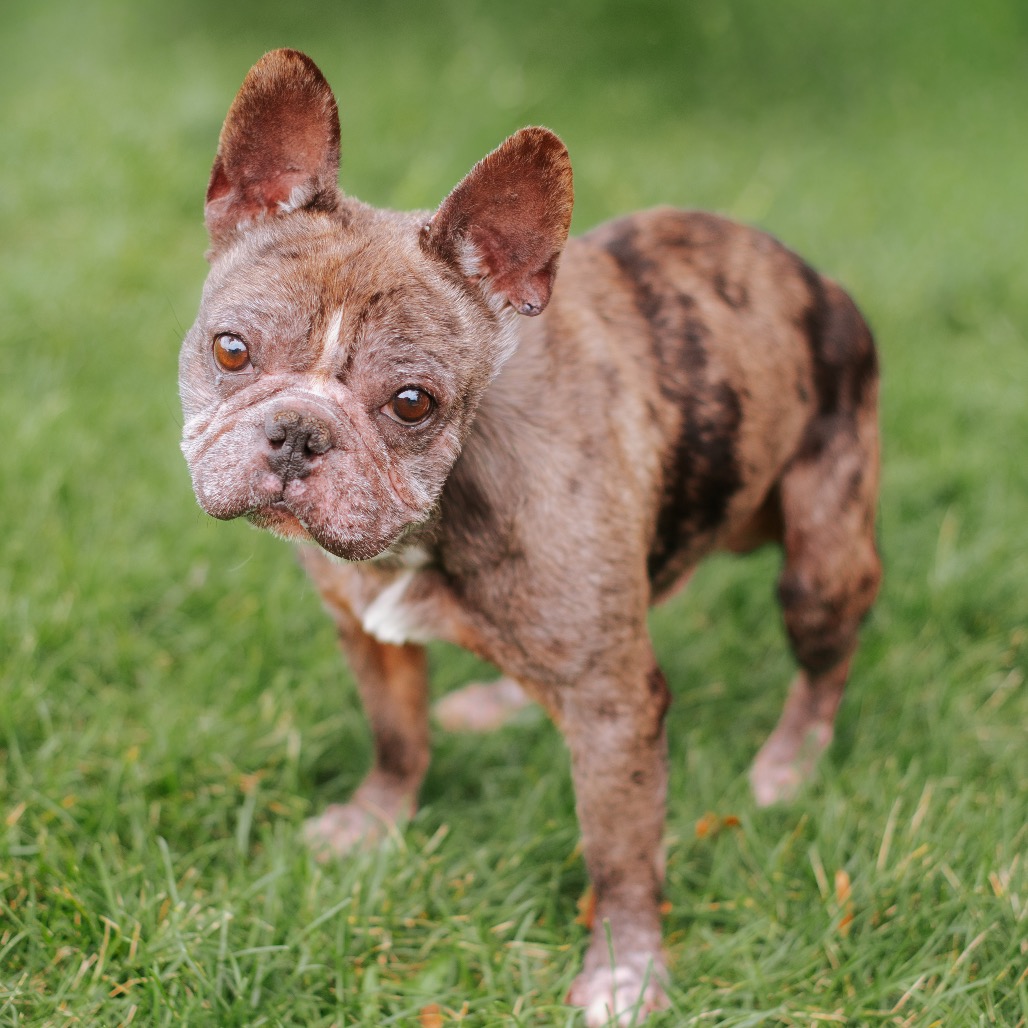
French Bulldog: Temperament, Health & Care Guide
In This Guide
The French Bulldog rocketed past the Labrador Retriever to become the AKC's #1 most registered breed in 2022 - and held that crown through 2024. It's easy to see why: Frenchies are compact, charming, and adaptable to apartment living in a way few other breeds can match. Their bat ears and snorting personality have made them social media darlings and celebrity favorites.
But behind those adorable flat faces lies a breed with serious health considerations that every potential owner must understand. French Bulldogs are among the most expensive breeds to own - not because of the purchase price, but because of the veterinary bills their brachycephalic anatomy almost guarantees. Here's the honest truth about living with a Frenchie.
Quick Facts
| Life Span | 10 - 12 years |
| Weight | Under 28 lbs |
| Height | 11 - 13 inches |
| Temperament | Adaptable, Playful, Alert, Affectionate |
| Energy Level | Low to Moderate - 30 minutes of daily walks |
| Shedding | Minimal - short, fine coat |
| Good With Kids | Very Good - sturdy yet gentle |
| Good With Other Pets | Good - generally sociable |
| Trainability | Moderate - willing but stubborn |
| AKC Group | Non-Sporting (Companion) |
Temperament & Personality
Frenchies are the clowns of the dog world. They live to make you laugh, snort, and curl up in your lap. Unlike many small breeds, they're not yappy or nervous - they have a calm confidence and a stubborn streak that gives them an almost cat-like independence. They'll follow you from room to room, but they won't beg for constant attention.
They're also surprisingly good watchdogs. Frenchies are alert to their surroundings and will let you know when someone's at the door - but they're not aggressive. They greet most visitors warmly once they've done their initial assessment.
One personality quirk to know: Frenchies can be possessive of their owners. Some develop separation anxiety if left alone for long periods. They were bred as companion dogs for Parisian lace workers, and that desire to be near their person runs deep. If you work 10-hour days away from home, a Frenchie may struggle.
Frenchies and Other Dogs
Most Frenchies get along well with other dogs, though some males can be territorial with unfamiliar dogs. Early socialization is important. They play well with dogs of similar size but may be overwhelmed by much larger, high-energy breeds like Labrador Retrievers.
The Frenchie Personality Spectrum
Frenchies have surprisingly varied personalities within the breed. Some are couch potatoes who barely move from their favorite spot. Others are energetic clowns who zoom around the house and wrestle with toys. Some are aloof with strangers; others demand belly rubs from everyone they meet. The one constant is their attachment to their primary person - Frenchies are intensely loyal and thrive on human connection. When choosing a rescue Frenchie, ask the foster family about the dog's specific personality rather than assuming breed-wide traits.
Frenchies and Seniors
French Bulldogs are one of the best breeds for senior citizens. Their low exercise requirements, compact size, manageable weight (under 28 lbs), and calm indoor demeanor make them ideal for older adults. They're content with short walks and plenty of couch time. The main concern is the potential for high vet bills - make sure the financial commitment is sustainable on a fixed income.
Exercise & Activity Needs
Here's the good news: French Bulldogs have modest exercise requirements. Their brachycephalic (flat-faced) anatomy limits their ability to handle intense physical activity, especially in warm weather.
- Two 15-minute walks daily - enough to keep them fit without overexertion
- Short play sessions - tug-of-war, gentle fetch, puzzle toys
- Mental stimulation - training games, snuffle mats, food puzzles
- Avoid heat and humidity - Frenchies cannot regulate body temperature well; exercise only in cool conditions
- Never let them swim unsupervised - their heavy front end and short muzzle make them poor swimmers; many Frenchies will sink
Is a French Bulldog right for your lifestyle?
Take our 60-second matchmaking quiz to see if a Frenchie - or another breed - is your ideal match.
Take the QuizHealth & Common Issues
This is the most important section in this guide. French Bulldogs are, unfortunately, one of the least healthy purebred breeds. Their flat-faced anatomy causes a cascade of health issues that you must budget for:
- Brachycephalic Obstructive Airway Syndrome (BOAS) - narrowed nostrils, elongated soft palate, and constricted trachea cause chronic breathing difficulty. Many Frenchies snore, snort, and wheeze their entire lives. Severe cases require surgery ($2,000-$5,000)
- Spinal issues (IVDD) - intervertebral disc disease and hemivertebrae (malformed vertebrae) are common due to their compact build
- Skin fold dermatitis - the wrinkles around their face and body trap moisture and bacteria; daily cleaning of facial folds is essential
- Heat stroke - their compromised breathing makes temperature regulation extremely difficult
- Cherry eye - prolapse of the third eyelid gland, appearing as a red bulge in the corner of the eye
- Allergies - Frenchies are prone to food and environmental allergies, often manifesting as skin irritation, ear infections, and digestive issues
- Birthing complications - over 80% of French Bulldogs require cesarean sections due to their large heads and narrow hips
Grooming & Shedding
The one area where Frenchies are low-maintenance: their coat. Their short, fine hair requires minimal grooming compared to breeds like Golden Retrievers or German Shepherds.
- Brush once per week with a rubber curry brush to remove loose hair
- Clean facial folds daily - this is non-negotiable; use a damp cloth and dry thoroughly to prevent infection
- Bathe every 4-6 weeks - use a gentle, hypoallergenic shampoo
- Clean ears weekly - their bat ears can collect debris
- Trim nails every 2-3 weeks
- Brush teeth 3 times per week - Frenchies are prone to dental crowding
The facial fold cleaning is the most critical grooming task. Skipping even a few days can lead to yeast infections, bacterial growth, and painful dermatitis in the deep creases around their nose and eyes.
Nail Care for Frenchies
Because French Bulldogs don't walk long distances or run on hard surfaces, their nails don't wear down naturally. Overgrown nails cause discomfort, alter gait, and can lead to joint problems in an already structurally compromised breed. Trim nails every 2-3 weeks, or use a nail grinder if your Frenchie tolerates it better than clippers. If you hear nails clicking on hard floors, they're too long.
Diet Considerations
Many Frenchies have sensitive stomachs and food allergies. Common allergens include chicken, grain, and soy. A limited-ingredient diet or novel protein (duck, venison, salmon) often resolves digestive issues. Frenchies are also prone to flatulence - partly due to their brachycephalic anatomy causing them to swallow air while eating. A slow-feeder bowl ($10-$20) reduces air intake and slows eating, helping with both gas and bloat risk.
Costs of Owning a French Bulldog
| Adoption Fee | $250 - $800 (shelter/rescue) |
| Annual Food | $400 - $800 (often need specialty diets) |
| Vet Care (annual) | $800 - $3,000+ (breed-specific issues) |
| Pet Insurance | $50 - $100/month (higher due to breed risk) |
| BOAS Surgery (if needed) | $2,000 - $5,000 (one-time) |
| Grooming Supplies | $75 - $150/year |
| Training (first year) | $200 - $500 |
| Total First Year | $3,000 - $7,500 |
Breeders charge $3,000-$8,000+ for French Bulldog puppies (and "rare" colors like merle or blue can exceed $10,000). Adopting from a shelter or rescue is dramatically more affordable and avoids supporting breeding practices that perpetuate health problems.
The "Rare Color" Trap
Breeders marketing "rare" French Bulldog colors - blue, lilac, merle, chocolate, isabella - often charge $10,000-$30,000+ for puppies. These colors are not recognized by the AKC and are frequently associated with additional health problems (color dilution alopecia in blues, eye/ear defects in merles). The premium price does not reflect better health or temperament - it reflects marketing. If you want a Frenchie, adopt one from a rescue regardless of color and spend the savings on the vet care they'll inevitably need.
Why Adopt a French Bulldog?
Despite their popularity and high purchase price, many French Bulldogs end up in shelters and rescue organizations. Common reasons include owners who couldn't afford the mounting vet bills, didn't anticipate the breed's breathing difficulties, or experienced lifestyle changes that made caring for a Frenchie impractical.
Adopting a Frenchie means you can often find a dog whose health conditions have already been identified and managed. Rescues typically provide full veterinary assessments, and many adult Frenchies in rescue are already house-trained and socialized.
How to Find French Bulldogs for Adoption
- Browse Foredog - we list French Bulldogs from shelters and rescue organizations nationwide
- Check breed-specific rescues - French Bulldog Rescue Network (FBRN) and regional Frenchie rescues specialize in this breed
- Be open to adults - adult Frenchies are past the most destructive phase and their health profile is already known
- Consider Frenchie mixes - mixed-breed Frenchies often have fewer breathing issues while keeping the personality
French Bulldogs Available for Adoption Near You
Browse real French Bulldog listings from shelters across the country - updated daily.
Browse French BulldogsFrequently Asked Questions
Are French Bulldogs good apartment dogs?
Excellent - Frenchies are one of the best apartment breeds. They're quiet, low-energy, compact, and don't need a yard. Just ensure your apartment has air conditioning, as Frenchies overheat easily.
Why do French Bulldogs cost so much at the vet?
Their brachycephalic (flat-faced) anatomy predisposes them to breathing problems, spinal issues, skin infections, and allergies. Many Frenchies need BOAS surgery ($2,000-$5,000), and their chronic conditions require ongoing treatment. Budget $800-$3,000+ annually for vet care.
Can French Bulldogs swim?
No - most Frenchies cannot swim safely. Their heavy, front-loaded body and short muzzle make them poor swimmers who can sink quickly. Always use a life jacket near water and never leave them unsupervised around pools.
Do French Bulldogs bark a lot?
No - Frenchies are one of the quieter breeds. They'll alert-bark when someone's at the door but rarely bark without reason. They do, however, snore, snort, and make a wide range of entertaining vocalizations.
How hot is too hot for a French Bulldog?
Temperatures above 80F (27C) become dangerous for Frenchies. Their compromised airways make it extremely difficult to cool down through panting. Always exercise in early morning or evening, and keep air conditioning available at home.
Are French Bulldogs hard to train?
Moderately. Frenchies are intelligent but stubborn. They respond best to positive reinforcement with high-value treats. Short, fun training sessions work better than long repetitive drills. They're not as eager to please as breeds like Labs or Poodles.
Find Your Perfect Dog Match
French Bulldog not quite the right fit? Our matchmaking quiz analyzes your lifestyle and pairs you with the breed that fits you best.
Take the Quiz