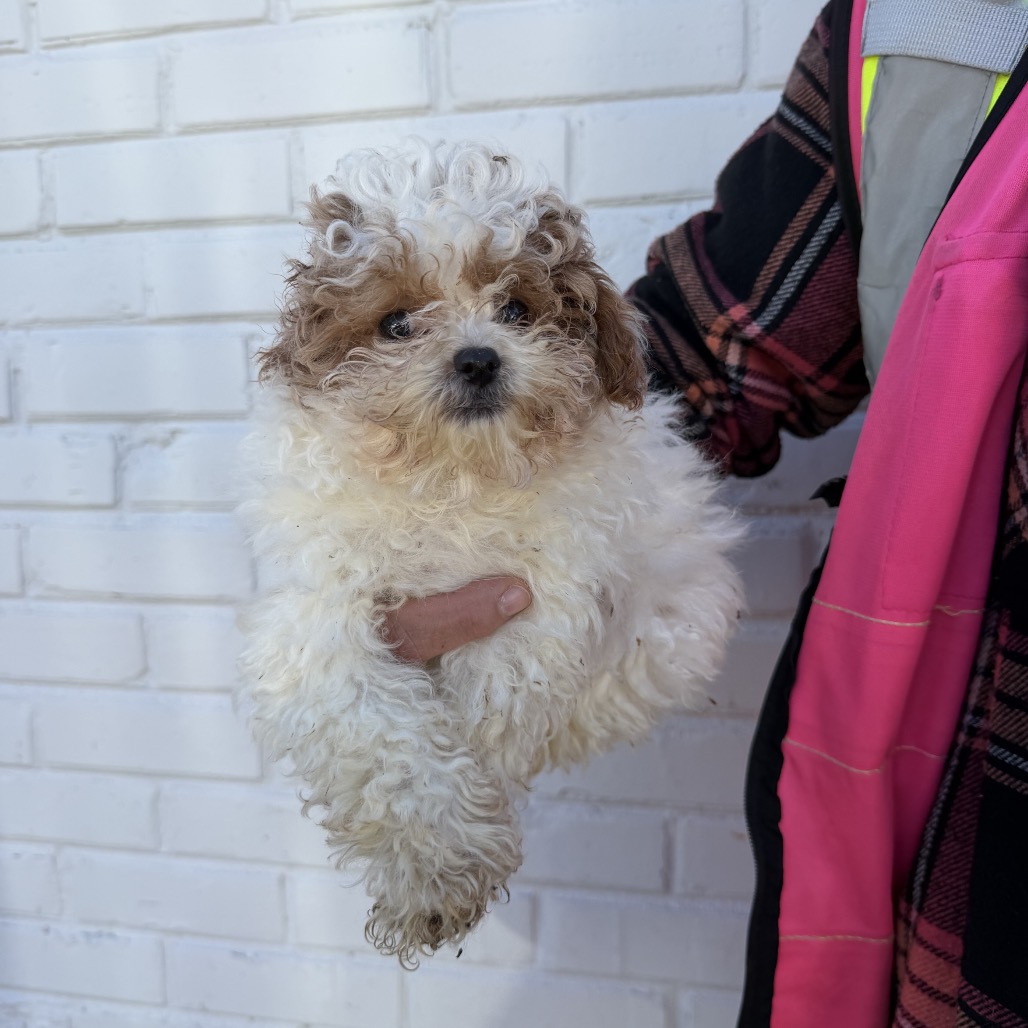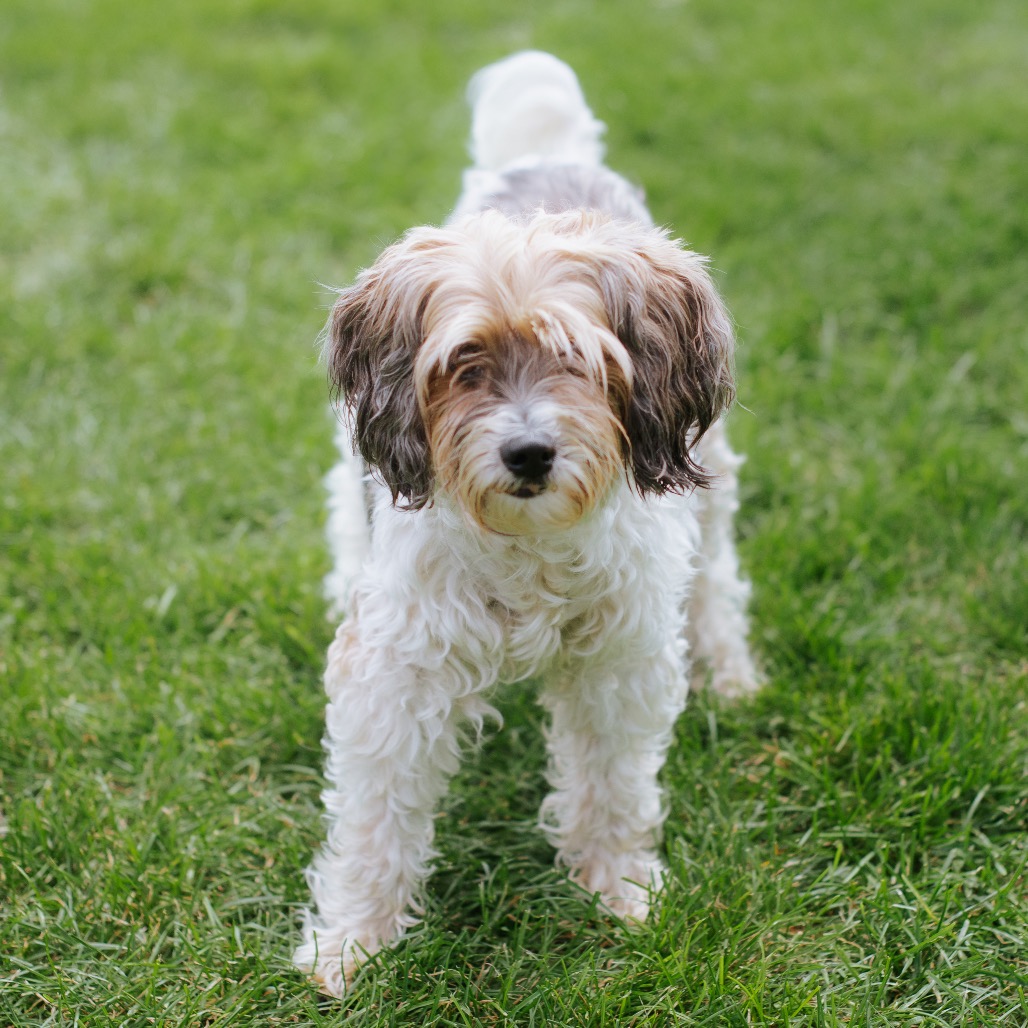
Poodle Sizes Explained: Standard, Miniature & Toy
In This Guide
Most people see a Poodle in a show clip and think "fancy lapdog." They couldn't be more wrong. Poodles are the second most intelligent dog breed in the world (behind only the Border Collie), were originally bred as water retrievers for German duck hunters, and are among the most athletic dogs you'll ever meet. The elaborate haircuts? Those were designed to protect joints and vital organs in cold water while reducing drag - function, not fashion.
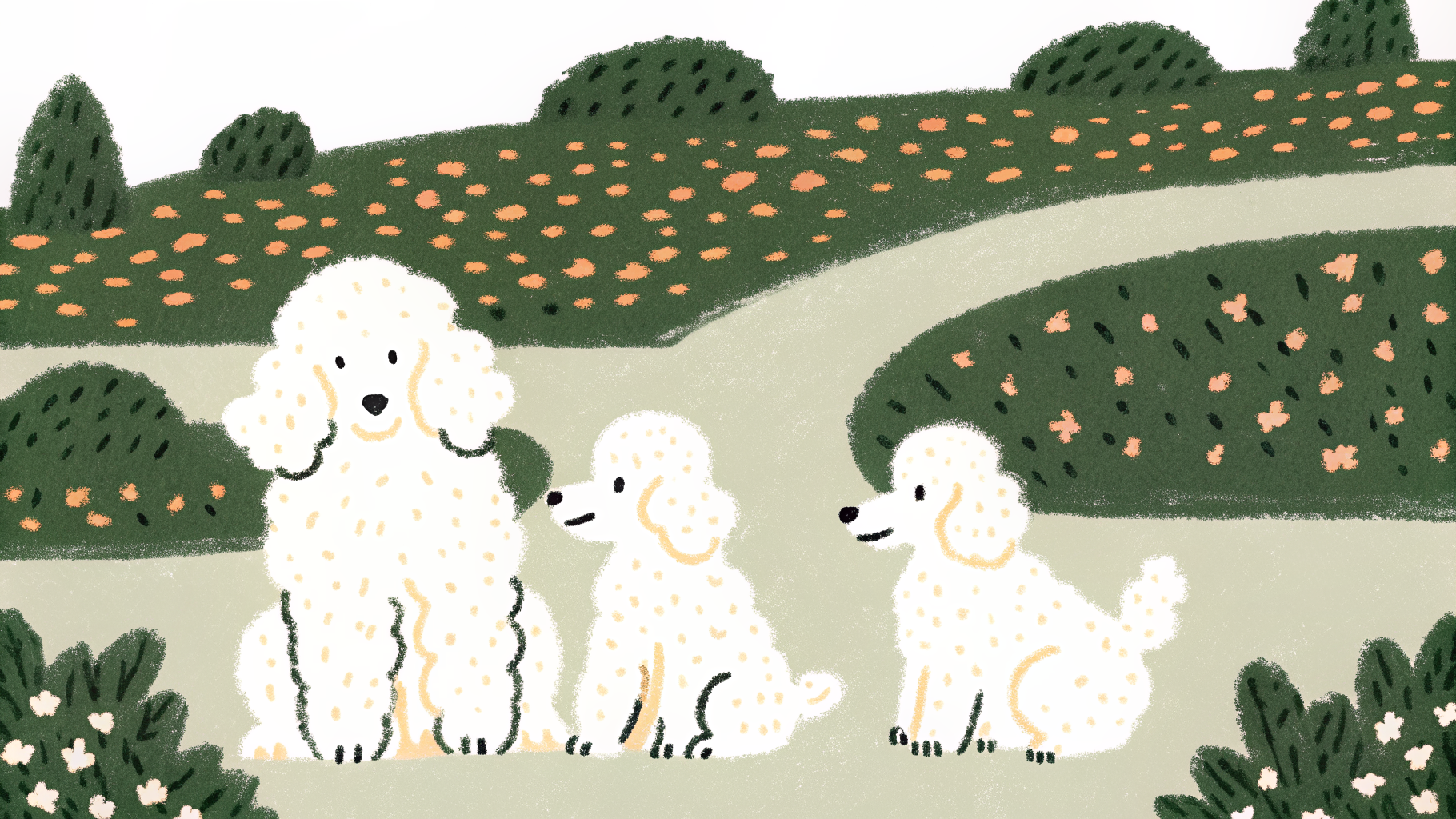
What makes Poodles truly unique is that they come in three sizes - Standard, Miniature, and Toy - all sharing the same breed standard, intelligence, and hypoallergenic coat. Whether you live in a farmhouse with acres or a 500-square-foot apartment, there's a Poodle size that fits. Here's everything you need to know.
Quick Facts - All Three Sizes
| Life Span | Standard: 12-15 yrs · Mini: 14-16 yrs · Toy: 14-18 yrs |
| Weight | Standard: 45-70 lbs · Mini: 15-17 lbs · Toy: 6-9 lbs |
| Height | Standard: over 15 in · Mini: 10-15 in · Toy: under 10 in |
| Temperament | Intelligent, Active, Proud, Eager to Please |
| Energy Level | Moderate to High - 1 hour of exercise daily |
| Shedding | Very Low - hypoallergenic single coat |
| Good With Kids | Standard: Excellent · Mini/Toy: Better with older children |
| Good With Other Pets | Very Good - sociable and adaptable |
| Trainability | Exceptional - 2nd smartest breed, loves learning |
| AKC Group | Non-Sporting |
Temperament & Personality
Poodles are wickedly smart - and they know it. They learn faster than almost any other breed, pick up on your emotions with uncanny accuracy, and have a sense of humor that will surprise you. A Poodle will figure out how to open doors, manipulate you into extra treats, and outsmart puzzle toys that stump other breeds in minutes.
Personality varies somewhat by size. Standard Poodles tend to be calmer and more dignified with a goofy streak. Miniatures are the most energetic and mischievous of the three. Toy Poodles can be surprisingly fierce personalities packed into tiny bodies - they often don't realize they're small.
All sizes share one critical trait: sensitivity. Poodles are emotionally attuned to their owners and respond poorly to harsh training methods or chaotic households. They thrive with positive reinforcement, consistency, and a calm environment. If your house is constantly loud and stressful, a Poodle will absorb that tension.
Poodles as Family Dogs
Standard Poodles are outstanding family dogs - sturdy enough for roughhousing with kids and patient enough for the chaos of family life. Miniature and Toy Poodles are better suited for families with older children who understand how to handle a smaller dog gently. A toddler accidentally stepping on a 7-pound Toy Poodle can cause serious injury.
The Doodle Question
Poodles are the parent breed behind virtually every "-doodle" mix: Labradoodles, Goldendoodles, Bernedoodles, Aussiedoodles, and dozens more. If you love the idea of a Doodle, consider that a purebred Poodle gives you a more predictable coat (guaranteed low-shedding), health testing with established breed standards, and the same intelligence and temperament that makes Doodles popular in the first place. Many Doodle owners discover their dog's coat is actually high-maintenance and not hypoallergenic - issues a purebred Poodle avoids.
Poodle Intelligence in Daily Life
Living with a Poodle means living with a dog that is always observing, always learning, and always testing. They learn routines after 1-2 repetitions (where you keep treats, what putting on shoes means, when the mail carrier arrives). They can learn 200+ words with consistent training. This intelligence is thrilling when directed - and maddening when your Poodle figures out how to open the pantry door, unlatch the gate, or manipulate you into extra meals with increasingly creative performances.
Exercise & Activity Needs
Despite their refined appearance, Poodles are athletes. Standard Poodles in particular were bred for demanding physical work in water and field, and they retain that stamina.
- Standard Poodles: 1-1.5 hours of daily exercise - running, swimming, hiking, agility
- Miniature Poodles: 45-60 minutes - brisk walks, fetch, agility, trick training
- Toy Poodles: 30-45 minutes - shorter walks, indoor play, puzzle games
- All sizes: Daily mental stimulation is non-negotiable - training sessions, puzzle feeders, nose work
- Agility and obedience: Poodles dominate competitive agility and obedience trials; these are ideal outlets
Standard Poodles are natural swimmers (their name comes from the German "Pudelhund" - puddle dog). If you have access to a lake or pool, your Standard will likely love water activities. Miniatures and Toys can swim too, but may be less enthusiastic.
Which Poodle size is right for you?
Take our 60-second matchmaking quiz to find out whether a Standard, Miniature, or Toy Poodle - or another breed entirely - fits your lifestyle.
Take the QuizHealth & Common Issues
Poodles are generally long-lived and healthy, but each size has its own predispositions:
Standard Poodle Health Issues
- Addison's Disease - the adrenal glands don't produce enough hormones; symptoms include lethargy, vomiting, and weight loss. Standard Poodles have one of the highest rates of any breed. Manageable with lifelong medication
- Bloat (GDV) - a life-threatening stomach twist; deep-chested Standards are at higher risk
- Hip dysplasia - less common than in breeds like German Shepherds but still occurs
- Sebaceous adenitis - an inflammatory skin disease that destroys the oil-producing glands, causing hair loss and scaly skin
Miniature & Toy Poodle Health Issues
- Luxating patella - the kneecap slips out of place, common in small breeds; can range from mild to requiring surgery
- Legg-Calve-Perthes disease - the femoral head deteriorates, causing hip pain and lameness
- Progressive Retinal Atrophy (PRA) - a degenerative eye condition leading to blindness; DNA testing available
- Dental crowding - smaller mouths mean more tooth overlap and higher risk of dental disease
All Sizes
- Epilepsy - idiopathic epilepsy is more common in Poodles than many breeds
- Von Willebrand's Disease - a blood clotting disorder; DNA test available
- Eye conditions - cataracts, glaucoma, and PRA occur across all sizes
Grooming & the "Hypoallergenic" Truth
Here's the trade-off with Poodles: they barely shed, but their grooming demands are among the highest of any breed. Their single-layer, curly coat grows continuously (like human hair) and mats easily if not maintained.
- Professional grooming every 4-6 weeks - this is non-negotiable; expect $60-$120 per session depending on size and style
- Brush or comb daily - Poodle hair mats within days if not brushed, especially behind ears, under legs, and around collar
- Keep hair trimmed - most pet Poodles wear a practical "puppy clip" or "lamb clip" rather than elaborate show cuts
- Clean ears weekly - Poodles grow hair inside their ear canals, trapping moisture and causing infections
- Dental care - brush teeth 3+ times per week, especially for Minis and Toys with crowded teeth
About "hypoallergenic": no dog is truly 100% allergen-free. Poodles produce less dander and don't shed hair around the house, which significantly reduces allergic reactions for most people. But the protein that triggers allergies (Can f 1) is found in saliva and skin, not just hair. If you have severe allergies, spend time around Poodles before committing.
DIY Grooming vs. Professional
Many Poodle owners learn to groom at home to save money. A quality clipper set ($100-$200), slicker brush, steel comb, and grooming table can pay for themselves within 3-4 sessions. YouTube is full of Poodle grooming tutorials for beginners. The most popular pet clips - the "puppy clip" (even length all over) and "lamb clip" (short body, fluffier legs) - are achievable for home groomers with practice. Even if you groom at home, plan on professional grooming every 2-3 months for a thorough job that includes nail grinding, ear cleaning, and sanitary trimming.
Poodle Color Fading
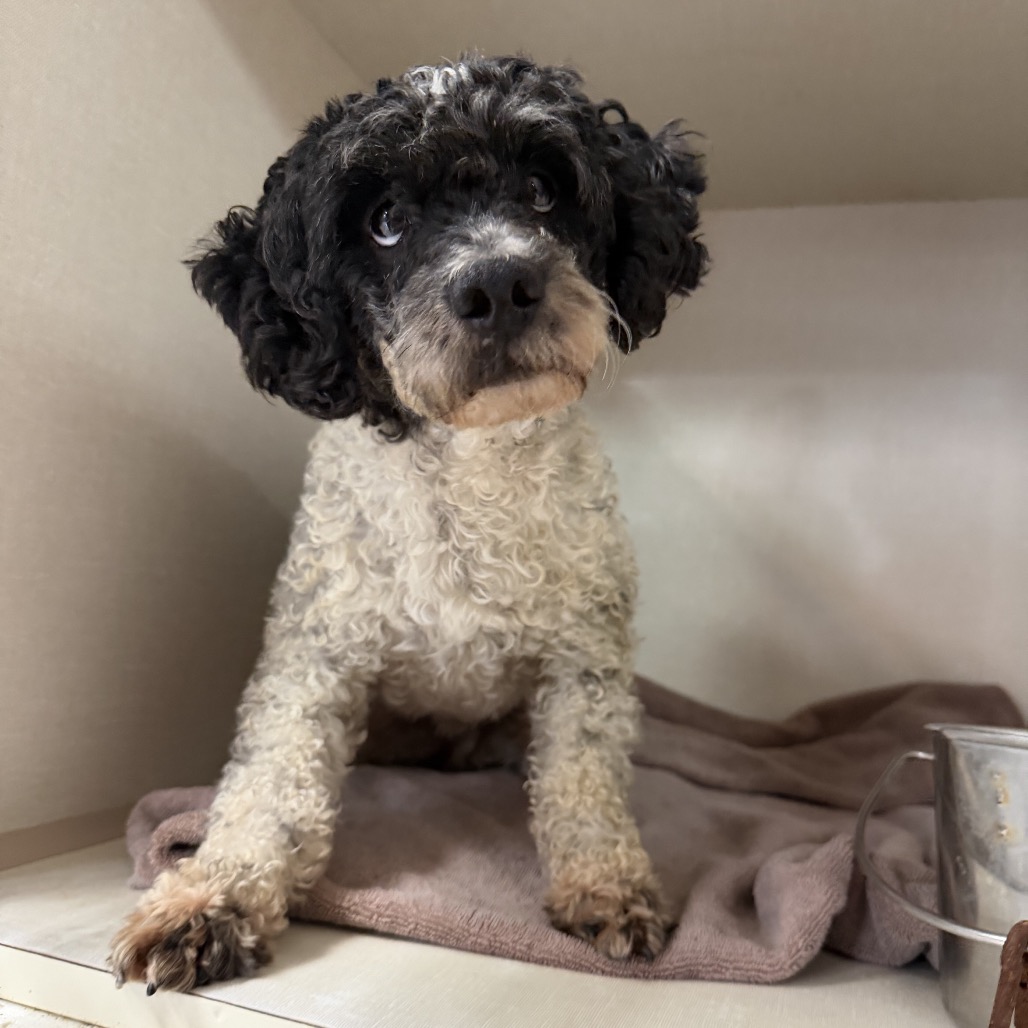
A unique quirk of Poodles: many change color as they age. Dark brown puppies may lighten to cafe au lait. Black puppies can develop a silver or blue tinge (called "clearing"). Red puppies often fade to apricot. This color change is progressive and can continue throughout the dog's life. It's completely normal and doesn't indicate any health problem - it's just the Poodle coat being characteristically unpredictable.
Costs of Owning a Poodle
| Adoption Fee | $100 - $600 (shelter/rescue) |
| Annual Food | Standard: $500-$900 · Mini: $300-$500 · Toy: $200-$400 |
| Vet Care (annual) | $400 - $1,200 |
| Pet Insurance | $35 - $70/month |
| Professional Grooming | $720 - $1,440/year (every 4-6 weeks) |
| Training (first year) | $200 - $500 |
| Total First Year | $2,500 - $5,500 |
The grooming line item is what catches people off-guard. Professional grooming every 4-6 weeks at $60-$120 per visit adds up to $720-$1,440 per year - more than most breeds' total grooming costs. Some owners learn to groom at home (clippers cost $100-$200), but it's a genuine skill that takes practice.
Why Adopt a Poodle?
Poodles end up in shelters more often than you'd think. Standard Poodles are surrendered when owners underestimate their energy and grooming needs. Miniatures and Toys often arrive at rescues from puppy mills, elderly owners who can no longer care for them, or families who didn't realize how much grooming was involved.
Adopting a Poodle - especially an adult - means the personality is already established, grooming preferences are known, and most are already house-trained. Many rescue Poodles are 3-7 years old and in the sweet spot of being past the hyperactive puppy phase but with years of companionship ahead.
How to Find Poodles for Adoption
- Browse Foredog - we list Poodles of all sizes from shelters and rescues nationwide
- Check breed-specific rescues - Carolina Poodle Rescue, NorCal Poodle Rescue, and Mid-Atlantic Poodle Rescue are among the largest
- Don't overlook Poodle mixes - Labradoodles, Goldendoodles, and other Poodle mixes frequently end up in shelters and often inherit the low-shedding coat
- Specify your size preference - rescues can match you with the right size for your living situation
Poodles Available for Adoption Near You
Browse real Poodle listings from shelters across the country - updated daily.
Browse PoodlesFrequently Asked Questions
Are Poodles really hypoallergenic?
Poodles produce significantly less dander and don't shed hair around your home, making them one of the best breeds for allergy sufferers. However, no dog is 100% allergen-free - the allergenic protein Can f 1 is found in saliva and skin, not just hair. Spend time with a Poodle before committing if you have severe allergies.
Which Poodle size is best for families with kids?
Standard Poodles are the best choice for families with young children - they're sturdy, patient, and big enough to handle accidental roughness. Miniatures work well with children over age 6. Toy Poodles are best for families with older, gentle children, as their small size makes them vulnerable to injury.
How often do Poodles need grooming?
Professional grooming every 4-6 weeks is essential, plus daily brushing at home. Their curly coat mats quickly and grows continuously. Budget $720-$1,440/year for professional grooming alone. Skipping grooming appointments leads to painful matting that may require shaving.
Are Poodles high-maintenance dogs?
In terms of grooming, yes - Poodles are one of the highest-maintenance breeds. In terms of shedding and exercise, they're moderate. The trade-off for a non-shedding coat is significant grooming commitment and cost.
What is Addison's Disease in Poodles?
Addison's Disease occurs when the adrenal glands don't produce enough cortisol and aldosterone. Symptoms include lethargy, vomiting, weight loss, and muscle weakness. Standard Poodles have one of the highest rates of any breed. It's manageable with lifelong medication (monthly injections or daily pills).
Do Poodles bark a lot?
Poodles are alert dogs that will bark to notify you of visitors or unusual sounds. They're not excessively yappy like some small breeds, but they're not silent either. Training "quiet" commands early helps manage barking. Miniature Poodles tend to be the most vocal of the three sizes.
Find Your Perfect Dog Match
Poodle not quite the right fit? Our matchmaking quiz analyzes your lifestyle and pairs you with the breed that fits you best.
Take the Quiz