Dachshund: Small Dog, Big Personality - Complete Guide
In This Guide
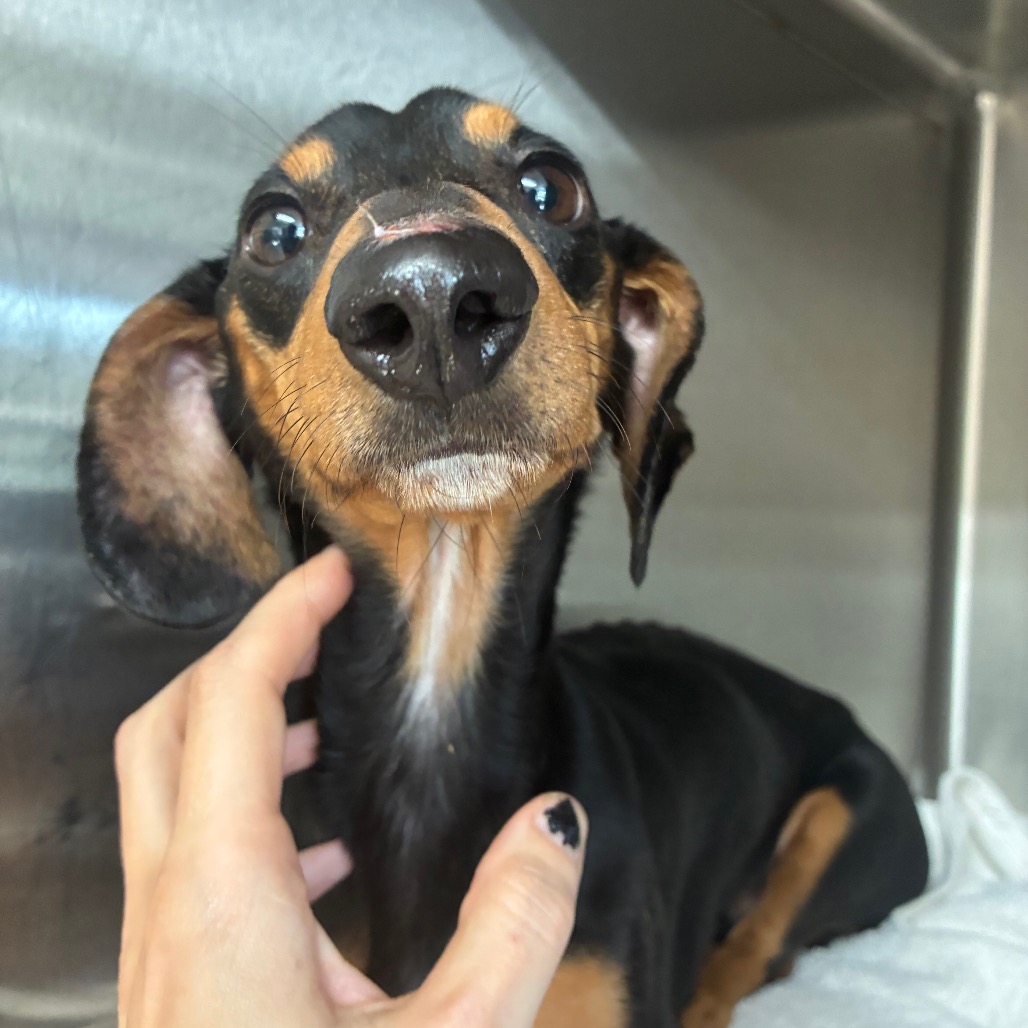
The Dachshund - affectionately called the "wiener dog," "sausage dog," or "Doxie" - packs more personality per pound than almost any breed alive. Originally bred in 15th-century Germany to hunt badgers (Dachs = badger, Hund = dog), these elongated little dogs were designed to follow prey into underground burrows. That job required fearlessness, tenacity, and a stubborn independence that Dachshund owners know all too well today.
Modern Dachshunds come in two sizes (standard and miniature) and three coat types (smooth, wirehaired, and longhaired), giving you six distinct combinations - each with slightly different grooming needs and personality quirks. But every Dachshund shares the breed's signature traits: a bold attitude that doesn't match their size, a deep loyalty to their person, and a long spine that requires careful protection. That spine is the single most important thing every Dachshund owner must understand.
Quick Facts
| Life Span | 12 - 16 years |
| Weight | Standard: 16-32 lbs · Miniature: under 11 lbs |
| Height | Standard: 8-9 in · Miniature: 5-6 in |
| Temperament | Bold, Curious, Clever, Stubborn, Devoted |
| Energy Level | Moderate - 30-60 minutes of daily exercise |
| Shedding | Varies by coat type (smooth: moderate, wire: low, long: moderate) |
| Good With Kids | Good with older children - fragile back, not ideal for toddlers |
| Good With Other Pets | Variable - can be jealous; best with other Dachshunds |
| Trainability | Moderate - intelligent but notoriously stubborn |
| AKC Group | Hound |
Temperament & Personality
Living with a Dachshund is like living with a tiny dictator who also happens to be incredibly charming. They're bold to the point of absurdity - a 10-pound Dachshund will try to boss around a 100-pound Rottweiler and not see the problem. This fearlessness is a direct legacy of their badger-hunting days, where hesitation underground meant death.
Dachshunds are also surprisingly vocal. They have a deep, loud bark that seems impossible for their size - think "big dog trapped in a small body" alarm system. They'll bark at doorbells, squirrels, leaves, suspicious shadows, and occasionally nothing at all. In an apartment setting, this can be a serious issue with neighbors.
The Stubborn Streak
Dachshunds are smart - they routinely figure out how to open cabinets, manipulate their owners, and find food you thought was hidden. But they use that intelligence for their own agenda, not yours. Training a Dachshund requires patience, consistency, and high-value treats. They'll look at you, understand exactly what you want, and decide whether it's worth their effort. This is not a breed that lives to please - it's a breed that lives to negotiate.
House-training is notoriously difficult with Dachshunds. Many owners report it taking 6-12 months, longer than most breeds. Their stubborn nature, small bladders, and dislike of going outside in rain or cold all contribute. Consistency and positive reinforcement are the only paths that work.
The Dachshund Bond
Where Dachshunds truly shine is in their loyalty to their chosen person. They form deep, sometimes obsessive attachments - burrowing under blankets to be close to you, following you from room to room, and greeting you after any absence (even a bathroom trip) like you've been gone for years. This intensity of bond is one of the most rewarding aspects of Dachshund ownership. The flip side is that they can be jealous of attention given to other pets or people, and separation anxiety is common. If you're looking for a shadow that also happens to be hilarious, a Dachshund delivers.
Dachshunds and Cold Weather
Smooth-coated Dachshunds, in particular, are cold-sensitive due to their small size, short legs (close to cold ground), and thin coat. Many Dachshunds refuse to go outside in rain or cold - this isn't stubbornness (well, not entirely); they're genuinely uncomfortable. A waterproof jacket for rainy walks and a warm sweater for winter are practical necessities, not fashion accessories. Indoor potty options (pee pads, artificial grass) can supplement outdoor bathroom breaks during bad weather.
Exercise & Activity Needs
Dachshunds need moderate exercise, but the type of exercise matters enormously because of their vulnerable spines.
- 30-60 minutes of daily exercise - two shorter walks are better than one long one
- NO jumping on/off furniture - this is the #1 preventable cause of back injuries; use ramps or pet stairs everywhere
- NO stairs if possible - or carry them up and down; repetitive stair climbing stresses the spine
- Keep them lean - extra weight dramatically increases back injury risk; this is medical, not cosmetic
- Scent games and puzzle toys - their hound nose loves tracking and sniffing activities
- Supervised digging - Dachshunds are natural diggers; a designated digging area saves your garden
Is a Dachshund right for your home?
Take our 60-second matchmaking quiz to see if a Dachshund - or another small breed - is your ideal companion.
Take the QuizHealth & Common Issues
The Dachshund's distinctive long body creates health vulnerabilities that every owner must understand and plan for:
- Intervertebral Disc Disease (IVDD) - the defining health concern for every Dachshund. Up to 25% of Dachshunds will experience some degree of IVDD in their lifetime. Discs between vertebrae degenerate and can rupture, compressing the spinal cord. Symptoms range from pain and reluctance to move to complete paralysis of the hind legs. Mild cases may respond to crate rest and medication; severe cases require emergency surgery ($5,000-$10,000)
- Obesity - every extra pound on a Dachshund dramatically increases spinal stress. A Dachshund at 15 pounds who should be at 11 is carrying 36% extra body weight - equivalent to a 150-pound person weighing 204
- Dental disease - their small jaws cause crowded teeth, making Dachshunds prone to tartar buildup, gum disease, and tooth loss. Annual dental cleanings are often necessary
- Progressive Retinal Atrophy (PRA) - a genetic eye condition causing gradual vision loss; DNA testing is available
- Lafora disease - a progressive form of epilepsy found particularly in miniature wirehaired Dachshunds; a DNA test exists
- Cushing's Disease - overproduction of cortisol; more common in Dachshunds than many breeds
- Patellar luxation - kneecap slipping, particularly in miniatures
Grooming & Shedding
Grooming needs vary significantly by coat type - one of the unique things about owning a Dachshund:
Smooth-Coated Dachshunds
- Easiest to maintain - brush weekly with a soft cloth or rubber mitt
- Moderate shedding year-round
- Bathe every 4-6 weeks
Wirehaired Dachshunds
- Need hand-stripping 2-3 times per year to maintain the wiry texture
- Lowest shedding of the three varieties
- Brush 2-3 times per week; trim beard and eyebrows regularly
Longhaired Dachshunds
- Brush daily to prevent tangles, especially behind ears, on chest, and under legs
- Moderate shedding with seasonal increases
- May need occasional professional grooming for trimming
All Coat Types
- Clean ears weekly - long, floppy ears trap debris and moisture
- Brush teeth 3+ times per week - dental disease is a major issue for this breed
- Trim nails every 2-3 weeks
Costs of Owning a Dachshund
| Adoption Fee | $50 - $400 (shelter/rescue) |
| Annual Food | $300 - $600 |
| Vet Care (annual) | $400 - $1,500 |
| Pet Insurance | $30 - $60/month |
| IVDD Surgery (if needed) | $5,000 - $10,000 |
| Dental Cleanings | $300 - $800/year |
| Ramps & Back Protection | $100 - $300 (one-time) |
| Total First Year | $1,800 - $4,500 |
The hidden cost of Dachshund ownership is the "back injury fund." Even with insurance, deductibles and co-pays for IVDD treatment add up quickly. Many experienced Dachshund owners recommend maintaining a $3,000-$5,000 emergency fund specifically for potential spinal issues. Ramps for furniture, beds, and cars ($50-$150 each) are an upfront investment that pays for itself in prevented injuries.
Setting Up a Dachshund-Safe Home
Preparing your home for a Dachshund means thinking about spine protection at every turn. Essential investments include: ramps for every couch, bed, and car the dog accesses ($50-$150 each); baby gates at the top and bottom of stairs; a supportive orthopedic bed with low entry ($30-$60); and a harness instead of a collar for walks (collars put pressure on the neck and spine). Remove any temptation for the dog to jump - lower food bowls to the floor, don't encourage jumping for treats, and consider blocking furniture access when you're not home to supervise.
Why Adopt a Dachshund?
Dachshunds are frequently surrendered to shelters due to house-training difficulties, their vocal nature, or back injuries that owners can't afford to treat. Many rescue Dachshunds are wonderful dogs who simply need an owner prepared for the breed's unique needs.
Adopting an adult Dachshund (age 3+) has particular advantages: their house-training struggles are usually resolved, their spinal health history is partially known, and their personality is fully developed - so you'll know exactly what you're getting. Many rescue Dachshunds are 5-8 years old with plenty of life and personality left.
How to Find Dachshunds for Adoption
- Browse Foredog - we list Dachshunds from shelters and rescue organizations across the country
- Check breed-specific rescues - DRNA (Dachshund Rescue of North America), Almost Home Dachshund Rescue, and regional Doxie rescues are abundant
- Ask about spinal history - good rescues will disclose any known IVDD episodes or treatment history
- Consider special-needs Dachshunds - Dachshunds in wheelchairs (from IVDD) live full, happy lives and are deeply rewarding to adopt
Dachshunds Available for Adoption Near You
Browse real Dachshund listings from shelters across the country - updated daily.
Browse DachshundsFrequently Asked Questions
What is IVDD and why are Dachshunds prone to it?
Intervertebral Disc Disease (IVDD) occurs when discs between vertebrae degenerate and rupture, compressing the spinal cord. Dachshunds' elongated spines and short rib cages make them uniquely vulnerable - up to 25% will experience it. Prevention includes keeping them lean, using ramps, and avoiding jumping.
Are Dachshunds hard to house-train?
Yes - Dachshunds are widely considered one of the hardest breeds to house-train. Their stubbornness, small bladders, and dislike of wet or cold weather all contribute. Most owners report it takes 6-12 months. Consistency, positive reinforcement, and a strict schedule are essential. Indoor potty options can help for bad weather days.
Can Dachshunds go up and down stairs?
They physically can, but they shouldn't do it regularly. Repetitive stair climbing puts significant stress on the spine and increases IVDD risk. Use baby gates to block stairs and carry your Dachshund when needed. Ramps are essential for furniture and car access.
Do Dachshunds bark a lot?
Yes - Dachshunds have a surprisingly deep, loud bark for their size and they use it frequently. They were bred to bay underground to alert hunters to their location, and this vocal instinct persists. Training can reduce excessive barking, but you won't eliminate it entirely.
Which Dachshund coat type is best?
It depends on your grooming preferences. Smooth coats are the lowest-maintenance. Wirehaired coats shed the least but need hand-stripping. Longhaired coats need daily brushing. Personality-wise, wirehaired Dachshunds tend to be the most outgoing and clownish, longhaired the calmest, and smooth-coated somewhere in between.
Are Dachshunds good with children?
Dachshunds do best with older children (8+) who understand how to handle them gently. Their fragile backs make them unsuitable for rough play, and being picked up incorrectly can cause serious injury. Teach children to always support the Dachshund's chest and rear simultaneously, never dangling the body.
How long do Dachshunds live?
Dachshunds are one of the longest-lived breeds at 12-16 years, with many reaching 15+. Their longevity is a major appeal, but it also means a very long commitment. Senior Dachshunds may need mobility assistance as IVDD risk increases with age.
Find Your Perfect Dog Match
Dachshund not quite the right fit? Our matchmaking quiz analyzes your lifestyle and pairs you with the breed that fits you best.
Take the Quiz