Siberian Husky: Can You Handle This High-Energy Breed?
In This Guide
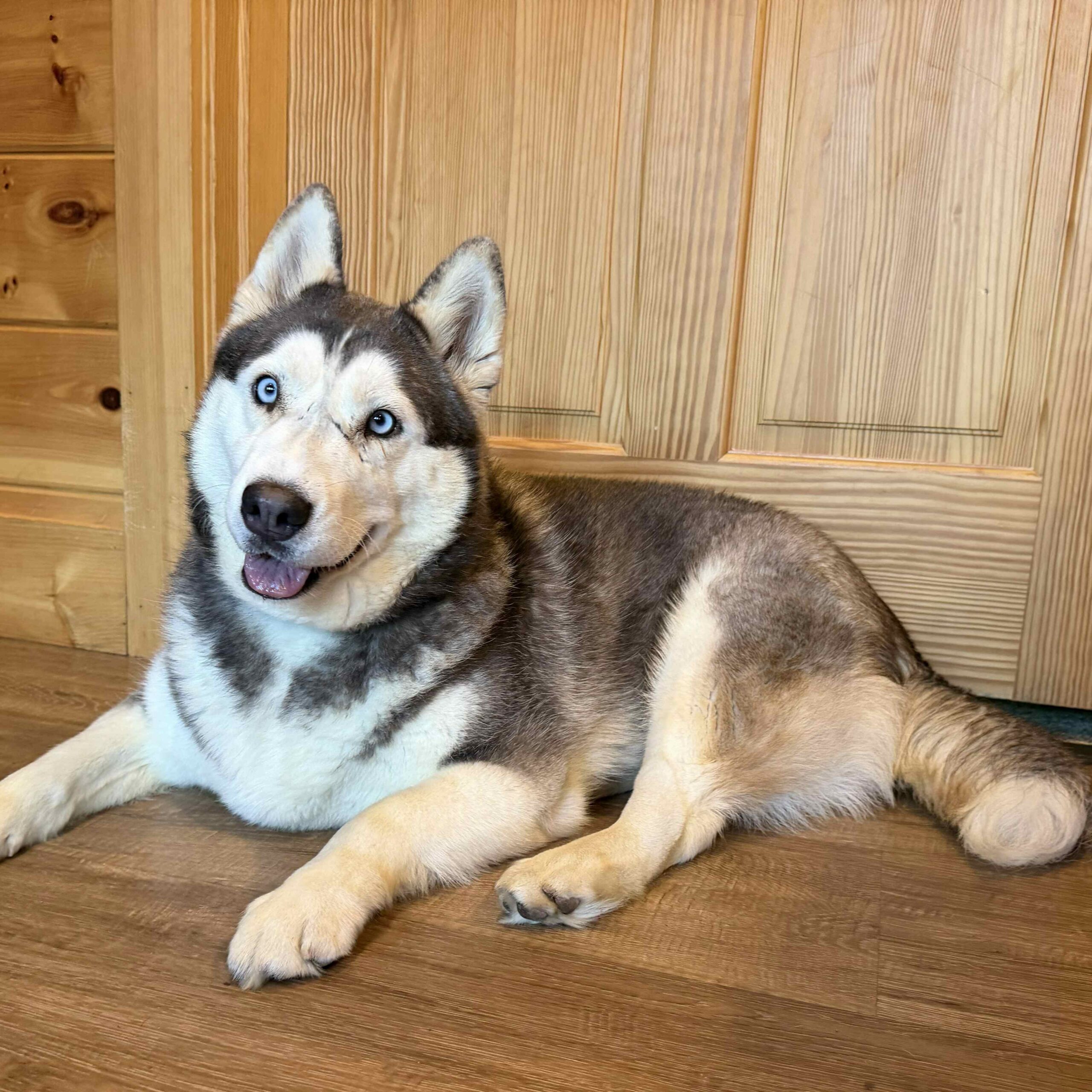
The Siberian Husky is one of the most beautiful dogs on the planet - and one of the most frequently surrendered to shelters. Those stunning blue eyes, wolf-like features, and athletic build attract thousands of new owners every year who have no idea what they're getting into. And by "getting into," we mean a dog that needs to run for hours daily, sheds enough fur to build a second dog twice a year, howls at sirens at 3 AM, and will escape from any yard you put them in.
Bred by the Chukchi people of northeastern Siberia to pull sleds across hundreds of miles of frozen tundra, Huskies are endurance athletes hardwired for running, independence, and survival in extreme conditions. They are magnificent dogs - for the right owner. For the wrong owner, they are a 50-pound wrecking ball of frustration.
Quick Facts
| Life Span | 12 - 14 years |
| Weight | 45 - 60 lbs (male) · 35 - 50 lbs (female) |
| Height | 21 - 23.5 inches (male) · 20 - 22 inches (female) |
| Temperament | Independent, Vocal, Mischievous, Friendly, Pack-oriented |
| Energy Level | EXTREME - needs 2+ hours of vigorous exercise daily |
| Shedding | EXTREME - massive "coat blow" twice yearly, heavy year-round |
| Good With Kids | Good - gentle and patient, but high energy can overwhelm toddlers |
| Good With Other Pets | Variable - strong prey drive toward small animals |
| Trainability | Low - extremely intelligent but independent and willful |
| AKC Group | Working |
Temperament & Personality
Understanding the Husky temperament requires understanding what they were bred to do: run 100+ miles per day in sub-zero temperatures while making independent decisions about trail conditions that could mean life or death for the sled team. This breeding created a dog that is intelligent, independent, and has zero interest in blind obedience.
Huskies are not people-pleasers like Golden Retrievers or Labs. They'll look you dead in the eye, understand exactly what you're asking, and choose to do something else. This isn't stubbornness in the traditional sense - it's an independent mind that was selectively bred for survival. They were designed to override commands when conditions warranted it.
Huskies are pack animals who are friendly with almost everyone - including strangers and intruders. They make terrible guard dogs. They'd sooner lick a burglar's face than bark at them. Their pack mentality also means they don't do well as the only pet - they thrive with other dogs for company.
The vocalizations deserve special mention. Huskies don't bark much - they howl, talk, scream, and woo-woo. They will hold entire "conversations" with you, argue about bath time, and howl in harmony with fire trucks at 2 AM. If you live in an apartment or have noise-sensitive neighbors, a Husky is not for you.
Escape artistry is another hallmark. Huskies can jump 6-foot fences, dig under barriers, open gates, and squeeze through impossibly small gaps. They need secure, reinforced fencing - and they should never, ever be trusted off-leash in an unfenced area. Their recall is essentially non-existent; once a Husky decides to run, they're gone.
Exercise & Activity Needs
This is where most potential Husky owners fail the breed. Read this section very carefully:
- 2+ hours of vigorous exercise DAILY - and we mean vigorous. A leisurely 30-minute walk is a warm-up for a Husky, not a workout
- Running is essential - Huskies need to RUN, not just walk. Bikejoring, canicross (running with your dog), or letting them run alongside a bicycle are ideal
- Mental stimulation - puzzle toys, training games, scent work. A physically tired but mentally bored Husky will still destroy your house
- Dog sledding or carting - if you live in a cold climate, these activities tap into the Husky's deepest instincts and provide unmatched fulfillment
- Dog parks with caution - their prey drive can be triggered by small dogs, and they may not come when called
- NEVER off-leash in unfenced areas - a Husky will bolt after a squirrel, rabbit, or interesting smell and run for miles without looking back
Be honest - can you really handle a Husky?
Our 60-second quiz considers your climate, activity level, living space, and experience to determine if a Husky is truly the right match - or if another breed would be better for both of you.
Take the QuizHealth & Common Issues
The good news: Siberian Huskies are one of the healthier purebred dogs, thanks to their working heritage and relatively broad gene pool. But they're not immune to health problems:
- Eye conditions - Huskies are prone to multiple eye problems, likely related to the breeds that contributed to the gene pool:
- Hereditary cataracts - can appear as early as 3 months old. The most common eye problem in the breed.
- Progressive Retinal Atrophy (PRA) - gradual vision loss leading to blindness. DNA testing is available.
- Corneal dystrophy - lipid deposits in the cornea causing cloudiness. Usually doesn't affect vision severely.
- Hip dysplasia - less common than in many large breeds but still occurs. OFA screening is recommended.
- Hypothyroidism - underactive thyroid causing weight gain, lethargy, and coat problems. Managed with daily medication.
- Zinc-responsive dermatosis - a condition unique to northern breeds where the skin can't properly absorb zinc, causing crusty, scaly lesions around the nose, eyes, and paw pads. Zinc supplementation usually resolves it.
- Laryngeal paralysis - can develop in older Huskies, causing noisy breathing and exercise intolerance
Grooming & Shedding
Let's talk about the fur. The Siberian Husky has a thick double coat - a dense, insulating undercoat and a longer topcoat - that sheds at a level that defies belief:
- "Blowing coat" twice yearly - in spring and fall, Huskies shed their entire undercoat over 2-3 weeks. During this period, clumps of fur come out in handfuls. You will fill garbage bags with fur. Your vacuum will become your best friend - and your worst enemy.
- Year-round shedding - even between coat blows, Huskies shed continuously. Expect fur on everything: clothes, furniture, food, places you didn't know fur could reach.
- Brush at least 2-3 times per week (daily during coat blow) - use an undercoat rake and a slicker brush
- NEVER shave a Husky - their double coat insulates against both cold AND heat, and protects against sunburn. Shaving disrupts the coat's natural temperature regulation and can cause permanent coat damage.
- Bathe rarely - Huskies are surprisingly clean dogs with little odor. Bathe only when dirty, maybe 3-4 times per year.
- Nail trimming every 2-3 weeks
If you have allergies, a Husky is one of the worst breeds you could choose. If you own expensive black clothing, reconsider. If you're particular about a hair-free home, look at a Poodle or Miniature Schnauzer instead.
Costs of Owning a Siberian Husky
| Adoption Fee | $50 - $400 (shelter/rescue) |
| Annual Food | $500 - $1,000 (high-quality, protein-rich diet) |
| Vet Care (annual) | $400 - $1,200 |
| Fencing (one-time) | $1,500 - $5,000 (6ft minimum, dig-proof) |
| Pet Insurance | $30 - $60/month |
| Grooming Tools | $100 - $300 (undercoat rake, slicker, vacuum upgrade) |
| Total First Year | $2,500 - $5,000 (including fencing) |
The hidden cost of Husky ownership is secure fencing. Standard chain-link or 4-foot fencing won't contain them. Budget for 6-foot privacy fencing with buried wire or concrete along the base to prevent digging. Many Husky owners also invest in a premium vacuum cleaner (Dyson or similar).
Why Adopt a Siberian Husky?
Huskies are one of the most commonly surrendered breeds in the country. Shelters and breed rescues are overflowing with them. The typical story: someone saw a cute Husky puppy, brought it home, and was completely unprepared for the exercise demands, shedding, escape behavior, and vocal tendencies. Six months to two years later, the dog ends up in rescue.
This means there are wonderful, well-socialized Huskies available for adoption at any given time. Many are young adults (1-3 years) who just need an owner who understands the breed. Adopting an adult Husky has significant advantages: you'll know their energy level, temperament, and whether they get along with other pets.
Finding Huskies for Adoption
- Browse Foredog - we list Siberian Huskies from shelters and rescues nationwide, updated daily
- Breed-specific rescues - Siberian Husky Rescue, Arctic Rescue, Free Spirit Siberian Rescue, and dozens of regional organizations
- Local shelters - Huskies are one of the most common purebreds in shelters, especially in warmer states where owners realize the climate is wrong for the breed
- Husky mixes - Husky mixes are extremely common in shelters and often have the same beautiful appearance with potentially more manageable energy levels
Siberian Huskies Available for Adoption Near You
Browse real Husky listings from shelters and rescues - updated daily on Foredog.
Browse Siberian HuskiesFrequently Asked Questions
Can Siberian Huskies live in warm climates?
It's strongly discouraged. Huskies were bred for sub-zero temperatures and suffer in heat. If you live in a warm climate, you'll need full-time air conditioning, exercise limited to early morning or late evening, and constant heat monitoring. Many Husky rescues will not adopt to homes in hot climates. Consider a different breed.
Can Huskies be off-leash?
No - Huskies have virtually no recall and an overwhelming urge to run. Even well-trained Huskies will bolt after prey, and once running, they won't come back when called. Always keep them on a leash or in a securely fenced area. This is one of the few things nearly all Husky owners agree on.
Why do Huskies howl so much?
Howling is deeply ingrained in the breed - it's how sled dog teams communicated across vast Arctic distances. Huskies howl to express excitement, boredom, anxiety, or just because a siren triggered their instinct. You can manage it with training, but you cannot eliminate it. If noise is a concern, this is not your breed.
Are Huskies good with cats?
Generally no. Huskies have a strong prey drive and many will chase and potentially harm cats and small animals. Some Huskies raised with cats from puppyhood can coexist peacefully, but the risk is real. Never leave a Husky unsupervised with small pets.
How do I stop my Husky from escaping?
Prevention is key: 6-foot privacy fencing, buried wire or L-footer along the base (they dig), coyote rollers along the top (they climb), and locked gates. Never leave a Husky in the yard unsupervised for long periods. Even with Fort Knox-level fencing, a bored, under-exercised Husky will find a way out.
How long do Siberian Huskies live?
12-14 years, which is good for a medium-to-large breed. They're one of the healthier purebreds overall, with fewer genetic conditions than many popular breeds.
Should I shave my Husky in summer?
Absolutely not. A Husky's double coat insulates against both cold and heat, and protects against sunburn. Shaving it removes this natural temperature regulation, can cause sunburn and overheating, and may permanently damage the coat's texture and growth cycle. Instead, brush regularly and provide shade and air conditioning.
Find Your Perfect Dog Match
Husky not the right fit? No shame in that - they're a challenging breed. Our quiz matches you with the dog that truly fits your life.
Take the Quiz