Pug: The Charming Little Dog With the Big Snore
In This Guide
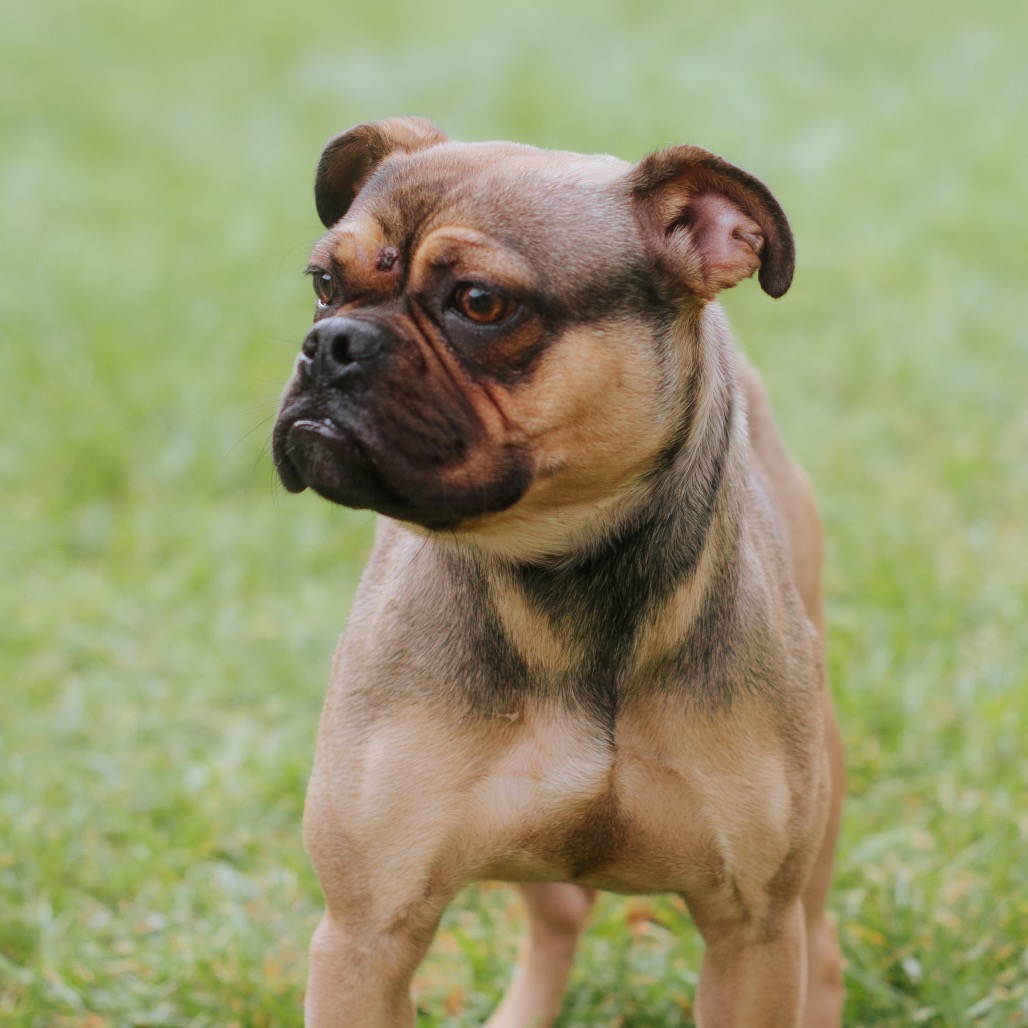
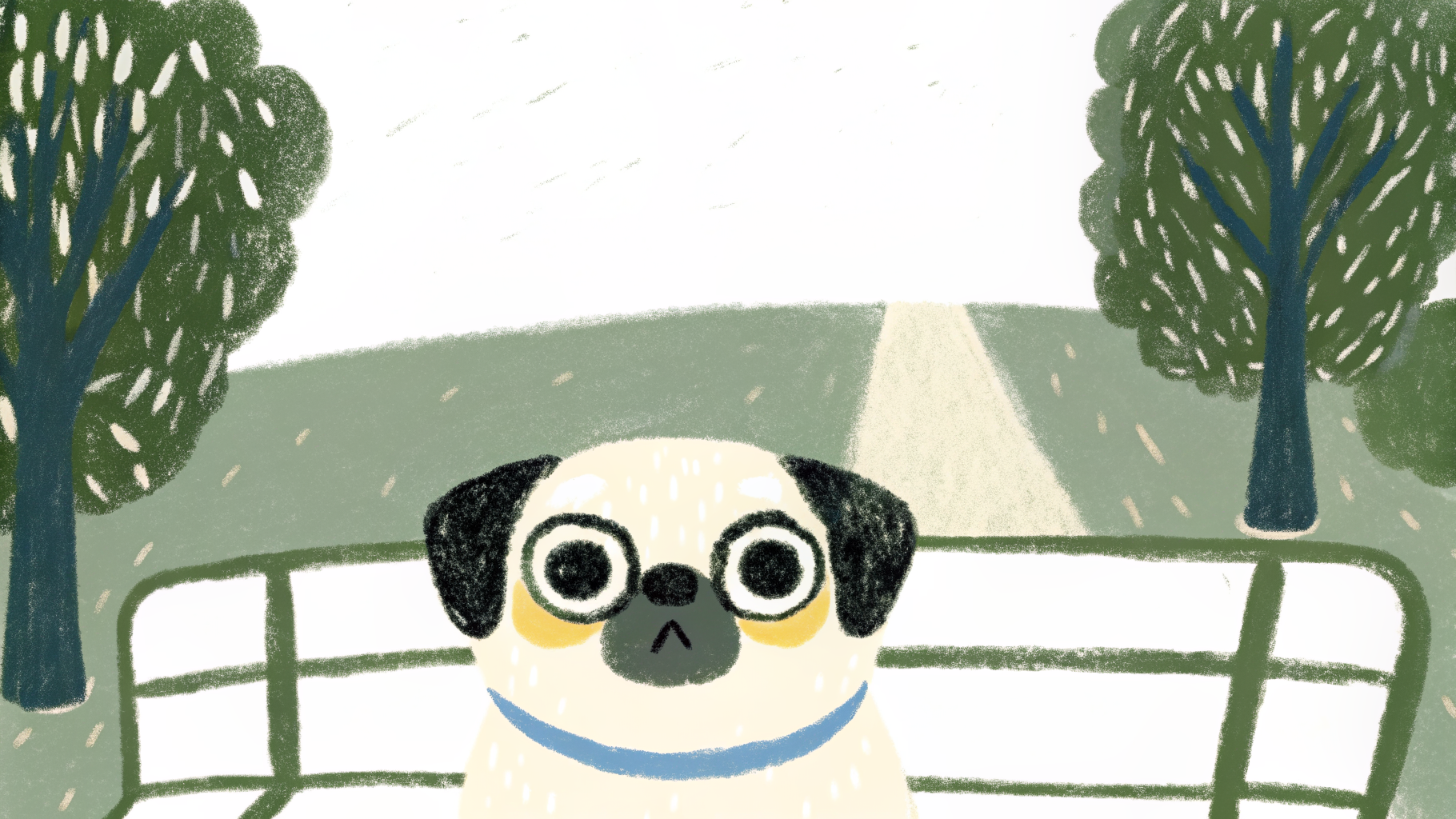
The Pug has been described as "a lot of dog in a small space" - and that's both literally and figuratively true. With their wrinkled faces, bulging eyes, curled tails, and stocky bodies, Pugs pack an absurd amount of personality into 14-18 pounds. They're clowns, comedians, and consummate cuddlers who have been making people laugh for over 2,000 years, since they served as companions to Chinese emperors.
But Pugs also come with some of the most significant health challenges of any breed. Their extremely flat faces cause severe breathing difficulties, their protruding eyes are vulnerable to injury, and they overheat dangerously in warm weather. Loving a Pug means understanding - and being prepared for - these realities.
Quick Facts
| Life Span | 13 - 15 years |
| Weight | 14 - 18 lbs |
| Height | 10 - 13 inches |
| Temperament | Charming, Mischievous, Loving, Stubborn, Clownish |
| Energy Level | Low - 20-30 minutes daily, overheats easily |
| Shedding | Surprisingly heavy - double coat sheds year-round |
| Good With Kids | Excellent - sturdy, patient, and playful |
| Good With Other Pets | Excellent - friendly with dogs and cats |
| Trainability | Moderate - eager to please but easily distracted by food |
| AKC Group | Toy |
Temperament & Personality
If dogs had a comedy club, Pugs would headline every night. They are natural entertainers - spinning in circles, making snorting noises, tilting their heads at impossible angles, and staring at you with those enormous, expressive eyes until you can't help but laugh. The Latin phrase "multum in parvo" (a lot in a little) is the breed's official motto, and it perfectly captures their oversized personality.
Pugs are shadow dogs. They will follow you from room to room, sit on your feet while you cook, and insist on sleeping in your bed - preferably on your pillow. They're not independent thinkers like Huskies or standoffish like some toy breeds. A Pug's entire purpose in life is to be near you, make you laugh, and receive your affection in return.
Their temperament with children is excellent. Pugs are sturdy for a small dog, patient with rough handling, and genuinely enjoy playing with kids. They're also universally friendly with other dogs and cats - aggression is virtually unheard of in the breed.
The downside of their devotion: Pugs suffer terribly from separation anxiety. They're not suitable for owners who are away from home for 8+ hours daily. A lonely Pug will become depressed, anxious, and potentially destructive.
Exercise & Activity Needs
Pugs are not athletic dogs. Their brachycephalic anatomy severely limits their exercise capacity, and overexertion is genuinely dangerous:
- 20-30 minutes of gentle exercise daily - short walks at a moderate pace, broken into 2-3 sessions
- Indoor play - short games of fetch or chase in an air-conditioned environment
- Monitor breathing constantly - if your Pug is gasping, wheezing, or their tongue turns blue-purple, stop immediately and cool them down
- Avoid exercise in temperatures above 75°F - Pugs overheat faster than almost any breed. Heat stroke can set in within minutes
- No stairs or jumping - their compact bodies are prone to back and joint issues. Use ramps for furniture and beds
- Swimming is dangerous - most Pugs cannot swim due to their body proportions and compromised breathing. Never leave a Pug near a pool unsupervised
The Pug's exercise limitations are a feature, not a bug, for many owners. If you want a dog that's happy with a short morning walk and lots of couch time, a Pug is perfect. If you want a running or hiking partner, look at a Border Collie or Siberian Husky instead.
Is a Pug the right match for your lifestyle?
Our 60-second matchmaking quiz considers your activity level, climate, and home environment to find your ideal breed.
Take the QuizHealth & Common Issues
This is the most important section of this guide. Pugs face significant health challenges that every potential owner must understand and budget for:
- Brachycephalic Obstructive Airway Syndrome (BOAS) - the Pug's extremely flattened face causes narrowed nostrils (stenotic nares), an elongated soft palate, a narrow trachea, and everted laryngeal saccules. The result: chronic breathing difficulty, snoring that can shake a room, exercise intolerance, and vulnerability to heat stroke. Many Pugs benefit from or require corrective surgery (nares widening, soft palate resection) to improve their breathing. BOAS is not just an inconvenience - it's a quality-of-life issue that affects virtually every Pug to some degree.
- Eye injuries and conditions - Pugs' large, protruding eyes are extremely vulnerable:
- Proptosis - the eyeball can literally pop out of the socket from trauma, rough play, or even excessive pressure on the neck from a collar. This is a veterinary emergency.
- Corneal ulcers - common because the eyes protrude and are easily scratched
- Pigmentary keratitis - brown pigment deposits on the cornea, potentially leading to vision loss
- Dry eye - inadequate tear production causing chronic irritation
- Pug Dog Encephalitis (PDE) - a fatal inflammatory brain disease found exclusively in Pugs. Symptoms include seizures, circling, blindness, and behavioral changes. There is no cure, only management. The cause is unknown but believed to be genetic/autoimmune.
- Obesity - Pugs are food-obsessed and gain weight extremely easily. Given their breathing challenges, every extra ounce puts additional strain on their compromised respiratory system. Weight management is critical.
- Skin fold infections - the deep wrinkles on a Pug's face trap moisture, bacteria, and yeast. Without daily cleaning, these folds become inflamed, infected, and painful.
- Hip dysplasia - Pugs have a surprisingly high rate for their size
- Hemivertebrae - malformed vertebrae related to the curly tail (which is actually a spinal deformity). Can cause pain and neurological issues in severe cases.
Grooming & Shedding
Here's a surprise that catches many new Pug owners off guard: Pugs shed. A LOT. Despite their short coat, they have a dense double coat that sheds year-round, with heavier shedding in spring and fall:
- Brush 2-3 times per week - a rubber curry brush or deshedding tool helps manage the constant shedding
- Clean facial wrinkles DAILY - this is non-negotiable. Use a damp cloth or wrinkle wipe to clean between every fold, then dry thoroughly. Moisture in the folds causes infection.
- Bathe every 2-4 weeks - Pugs can develop an odor from their skin folds if not bathed regularly
- Ear cleaning weekly - their small ear canals are prone to buildup
- Nail trimming every 2 weeks - Pugs don't wear down their nails with exercise the way active breeds do
- Dental care 2-3 times weekly - their crowded teeth are prone to tartar and gum disease
- Nose care - Pug noses often become dry and crusty. Apply a nose balm regularly to prevent cracking.
The daily wrinkle cleaning is the unique grooming task for Pugs. Skip it, and you'll end up at the vet treating a painful skin fold infection. It takes less than a minute but must be done every day.
Costs of Owning a Pug
| Adoption Fee | $50 - $400 (shelter/rescue) |
| Annual Food | $200 - $500 (must be portion-controlled) |
| Vet Care (annual) | $500 - $2,000 (higher due to brachycephalic complications) |
| BOAS Surgery (if needed) | $1,500 - $4,000 (one-time) |
| Eye Care | $200 - $800/year |
| Pet Insurance | $40 - $80/month (higher due to breed risks) |
| Total First Year | $1,800 - $4,500 (or $5,500+ with BOAS surgery) |
Pugs can be expensive to own medically. BOAS surgery, eye emergencies, and ongoing skin care add up. Pet insurance is strongly recommended - get it as early as possible before pre-existing conditions develop. Many Pug owners say their vet is their second most-visited destination after the couch.
Why Adopt a Pug?
Pugs end up in shelters and rescues for many reasons: the medical costs surprised owners, the shedding was more than expected, or the breed's health issues became too much. These dogs deserve loving homes that understand and accept their unique needs.
Adopting a Pug from a rescue has genuine advantages. Rescue organizations typically disclose all known health issues upfront. You'll know if the dog has already had BOAS surgery, what their breathing quality is like, and what medications they may need. This transparency helps you make an informed decision and budget accordingly.
Finding Pugs for Adoption
- Browse Foredog - we list Pugs from shelters and rescues, updated daily
- Breed-specific rescues - Pug Rescue Network, DFW Pugs, Midwest Pug Rescue, and many regional organizations
- Senior Pugs - older Pugs (8+) are past their most energetic phase and make wonderful calm companions. With 13-15 year lifespans, they still have years of love to give.
- Former mill dogs - Pugs are one of the most common puppy mill breeds. Rescue organizations frequently rehabilitate ex-breeding Pugs who bloom beautifully in loving homes.
Pugs Available for Adoption Near You
Browse real Pug listings from shelters and rescues - updated daily on Foredog.
Browse PugsFrequently Asked Questions
Can Pugs fly on airplanes?
Most airlines have banned Pugs from cargo holds due to breathing-related deaths. Some airlines allow them in cabin (under-seat carriers), but policies vary and change frequently. Check directly with your airline before booking. In general, air travel poses elevated risks for Pugs and other brachycephalic breeds.
Why do Pugs snore so loudly?
Pugs snore because of their brachycephalic anatomy - narrowed nostrils, elongated soft palate, and compressed airways vibrate during breathing, especially during sleep. It's not cute - it's a sign of breathing compromise. If the snoring is severe, discuss BOAS evaluation and potential corrective surgery with your vet.
Are Pugs good apartment dogs?
Excellent apartment dogs. Their small size, low exercise needs, and relatively quiet nature (they're not barkers) make them ideal for apartment living. The main requirement is air conditioning - Pugs cannot live in a home without climate control in warm climates.
How dangerous is heat for Pugs?
Extremely dangerous. Pugs can develop heat stroke in temperatures as low as 75-80°F, especially with humidity. They cannot pant efficiently to cool themselves. Heat stroke can be fatal within minutes. Never leave a Pug in a car, limit outdoor time in warm weather, and always provide access to air conditioning.
Do Pugs shed a lot?
Yes - this surprises many new Pug owners. Despite their short coat, Pugs have a dense double coat that sheds heavily year-round. You'll find fawn or black hairs on everything. Regular brushing helps but won't eliminate shedding.
How long do Pugs live?
13-15 years on average, which is good for their size. Maintaining a healthy weight, managing BOAS, and keeping up with eye and skin care are the keys to maximizing your Pug's lifespan.
Find Your Perfect Dog Match
Want a companion breed but not sure about the Pug's health challenges? Our quiz can help you find the right match.
Take the Quiz