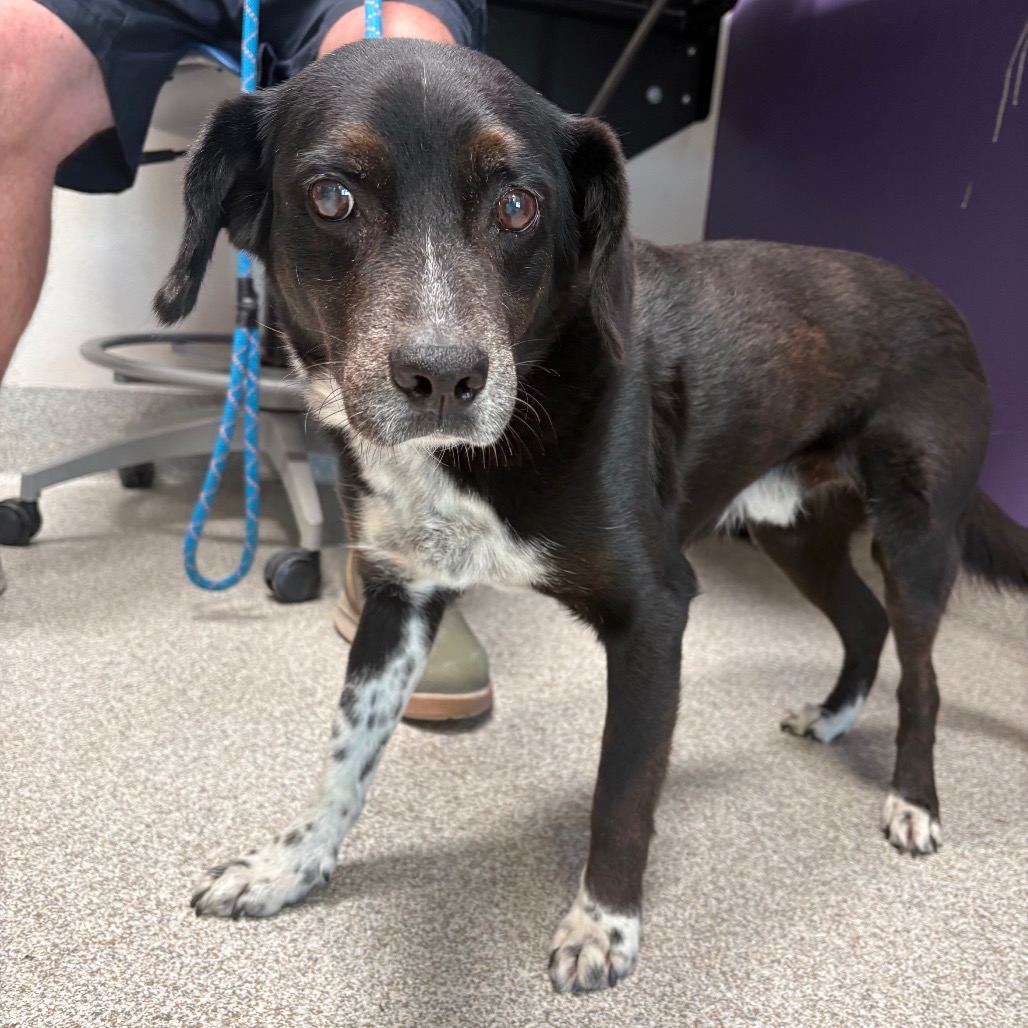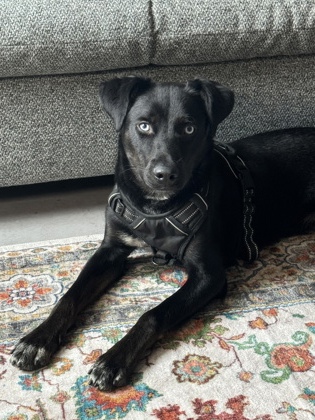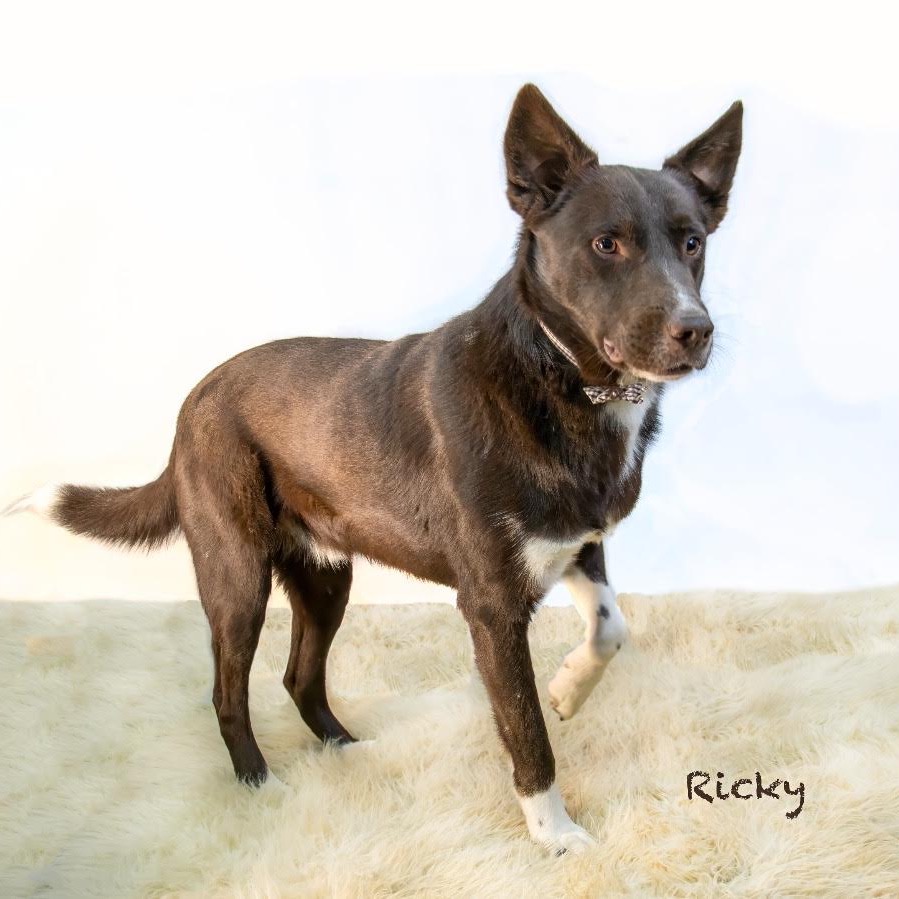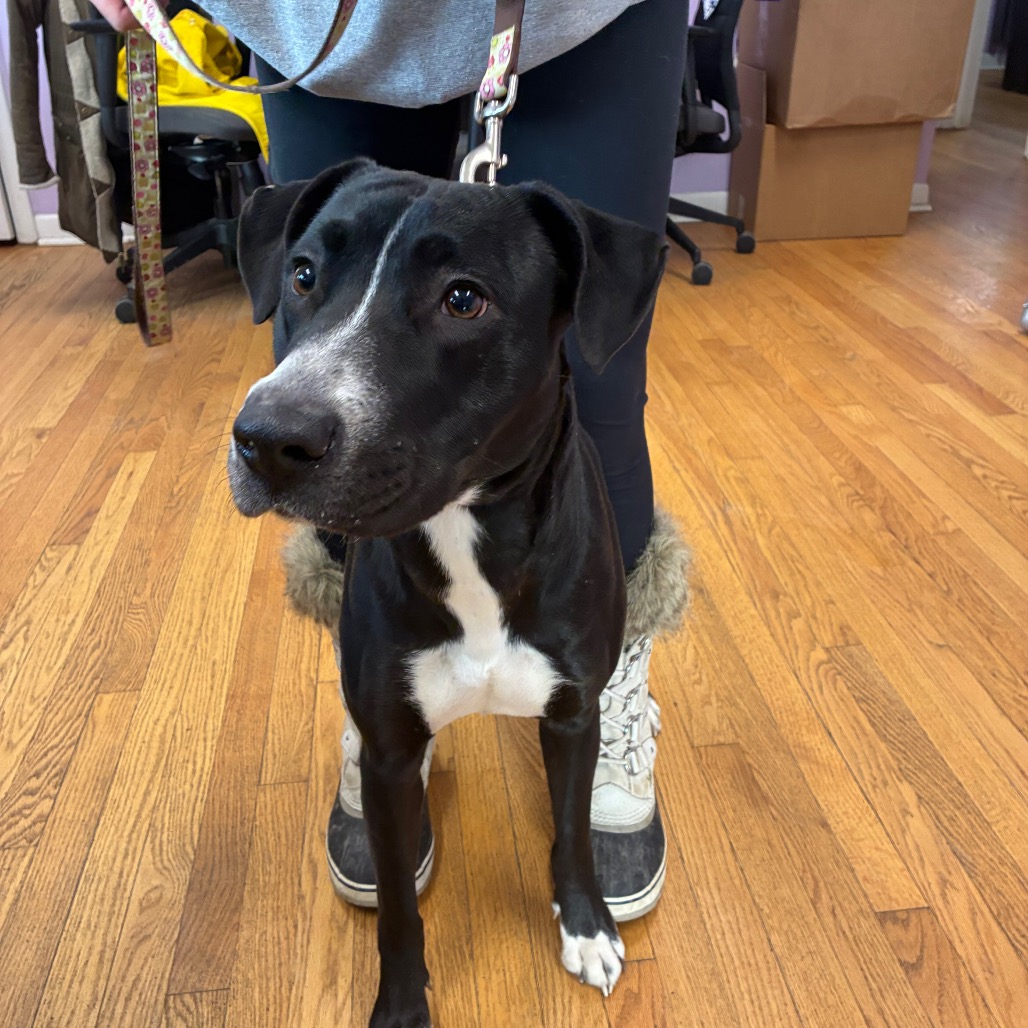
Border Collie: The World's Smartest Dog - Is It Too Smart for You?
In This Guide
The Border Collie is the world's smartest dog breed - and that's not just marketing. Stanley Coren's intelligence rankings, real-world problem-solving studies, and decades of working performance consistently place the Border Collie at #1. A famous Border Collie named Chaser learned over 1,000 words and could understand basic grammar. These dogs are operating on a level that can genuinely startle you.
But intelligence without an outlet creates problems. Border Collies were bred to herd sheep all day in the borderlands between England and Scotland, making split-second decisions over rugged terrain for 8-12 hours straight. Take that drive and intelligence and put it in a suburban home without a job, and you get a dog that herds your children, obsessively chases shadows, destroys furniture from frustration, and develops anxiety-driven compulsive behaviors. The Border Collie is a magnificent dog - but it is emphatically not for everyone.
Quick Facts
| Life Span | 12 - 15 years |
| Weight | 30 - 45 lbs |
| Height | 18 - 22 inches |
| Temperament | Intelligent, Intense, Energetic, Driven, Sensitive |
| Energy Level | EXTREME - needs 2+ hours daily MINIMUM, plus a job |
| Shedding | Moderate to heavy - rough or smooth coat, seasonal blowouts |
| Good With Kids | Moderate - may herd and nip at running children |
| Good With Other Pets | Variable - may obsessively herd cats and small animals |
| Trainability | Highest of any breed - but needs experienced handling |
| AKC Group | Herding |
Temperament & Personality
The defining trait of the Border Collie is intensity. They approach everything - work, play, training, even resting - with a laser-like focus that sets them apart from every other breed. This intensity manifests most famously as "the eye" - a fixed, hypnotic stare they use to control sheep. You'll see the same stare directed at squirrels, tennis balls, cats, and sometimes you.
Border Collies are not casual pets. They're working partners who happen to live in your house. They need a purpose - whether that's actual sheep herding, competitive agility, flyball, disc dog, search and rescue, or a structured daily training regimen. Without a job, their brilliant minds turn inward, and the results are never good.
The herding instinct is hardwired and cannot be trained out. Border Collies will herd children (nipping at their heels to "move" them), chase joggers and cyclists, try to control other dogs' movements, and stalk cats. Families with young children who run and scream - which triggers herding instinct - should think carefully before getting a Border Collie.
With the right owner, Border Collies are incredibly rewarding. They bond deeply, are endlessly trainable, and communicate with an almost uncanny understanding. Many Border Collie owners describe the relationship as more like a partnership than typical pet ownership. They read your body language, anticipate your commands, and seem to understand what you're thinking.
Exercise & Activity Needs
This is not a section you can skim. The Border Collie's exercise needs are the #1 reason they end up in rescue, and the #1 thing every potential owner underestimates:
- 2+ hours of vigorous exercise DAILY - minimum. Many Border Collies need 3-4 hours to be truly satisfied. A 30-minute walk will barely take the edge off.
- Physical exercise alone is not enough - Border Collies need mental challenges equal to their physical activity. Training sessions, puzzle toys, scent work, and learning new skills are essential.
- A structured "job" is ideal - agility, herding trials, flyball, disc dog, rally obedience, or even advanced trick training. Border Collies that compete in dog sports are the happiest Border Collies.
- Off-leash running - they need to run at full speed regularly. A fenced yard, dog-friendly trails, or a large open field are essential.
- Training as exercise - a 20-minute intensive training session can tire a Border Collie's brain more than a 1-hour walk.
Here's the trap that catches new owners: physical exercise alone makes a Border Collie fitter, not calmer. Running a Border Collie for 2 hours just builds an athlete that needs 3 hours tomorrow. The key is combining physical exercise with mental work - problem-solving, learning, and decision-making that engages their extraordinary brain.
Do you have the lifestyle for a Border Collie?
Be honest with yourself. Our quiz evaluates your activity level, available time, and experience to determine if a Border Collie is genuinely right for you.
Take the QuizHealth & Common Issues
Border Collies are generally healthy dogs with good lifespans, but they have several genetic conditions that responsible owners should know about:
- Hip dysplasia - common in medium-sized athletic breeds. OFA or PennHIP screening is recommended, especially for active dogs doing agility or herding.
- Epilepsy - Border Collies have a higher-than-average rate of idiopathic epilepsy (seizures with no identifiable cause). Onset is typically between ages 1-5. Managed with daily anticonvulsant medication. If your Border Collie has a seizure, get to a vet for evaluation.
- Collie Eye Anomaly (CEA) - a hereditary developmental defect of the eye present from birth. Ranges from mild (no vision impact) to severe (retinal detachment and blindness). DNA testing is available and should be done before adoption when possible.
- Trapped Neutrophil Syndrome (TNS) - a fatal autoimmune condition where the immune system can't fight infections. Puppies rarely survive past 4 months. DNA testing can identify carriers.
- Neuronal Ceroid Lipofuscinosis (CL) - a fatal neurological storage disease causing progressive neurological decline. DNA testing available.
- MDR1 gene mutation - a drug sensitivity affecting how Border Collies metabolize certain medications, including ivermectin (common in heartworm preventatives), loperamide (Imodium), and some anesthetics. A simple DNA test ($50-$75) identifies affected dogs, and your vet can prescribe safe alternatives.
- Osteochondritis dissecans (OCD) - a joint condition where cartilage separates from the bone, causing pain and lameness. Common in rapidly growing, active dogs.
Grooming & Shedding
Border Collies come in two coat types: rough (long, flowing) and smooth (shorter, dense). Both are double coats that shed, with seasonal blowouts in spring and fall:
- Brush 2-3 times per week (daily during shedding season) - an undercoat rake and slicker brush handle the dense undercoat
- Rough coats mat behind the ears, under the legs, and around the collar area - pay special attention to these regions
- Bathe every 4-8 weeks - or after muddy outdoor adventures, which will be frequent
- Nail trimming every 2-3 weeks - active Border Collies may wear their nails down naturally on hard surfaces
- Check for ticks and burrs after outdoor activity - Border Collies who spend time in fields and trails pick up everything
- Dental care 2-3 times per week
Border Collie grooming is moderate - nothing like the demands of a Shih Tzu or Yorkie. Their working coat is designed to be functional, not glamorous, and maintains itself well with basic care.
Costs of Owning a Border Collie
| Adoption Fee | $50 - $400 (shelter/rescue) |
| Annual Food | $400 - $800 (high-quality, active-dog formula) |
| Vet Care (annual) | $400 - $1,200 |
| Dog Sports / Activities | $300 - $1,500/year (agility classes, herding lessons, competition fees) |
| Pet Insurance | $30 - $60/month |
| Grooming Supplies | $75 - $200/year |
| Total First Year | $1,800 - $4,000 |
The unique cost of Border Collie ownership is activities. These dogs need structured mental and physical outlets, and dog sport classes (agility, herding, flyball) are the best investment you can make. Consider it a necessity, not a luxury.
Why Adopt a Border Collie?
Border Collies are one of the most frequently surrendered herding breeds. The story is heartbreakingly predictable: someone gets a cute Border Collie puppy, realizes within 6-18 months that they can't meet the exercise and mental stimulation demands, and surrenders the dog. This means shelters and breed rescues always have Border Collies available.
Adopting an adult Border Collie can actually be better than getting a puppy. Rescue organizations temperament-test their dogs and can tell you: How intense is this particular dog? Do they herd children? Do they get along with cats? How much exercise do they actually need? Some rescue Border Collies are on the calmer end of the spectrum and can adapt to more moderate lifestyles - something you can't predict with a puppy.
Finding Border Collies for Adoption
- Browse Foredog - we list Border Collies from shelters and rescues nationwide, updated daily
- Breed-specific rescues - Border Collie Rescue, Glen Highland Farm, New England Border Collie Rescue, Midwest Border Collie Rescue, and many regional organizations
- Farm rehoming - working Border Collies that are retired or not suited for farm work are sometimes available
- Border Collie mixes - mixes are very common in shelters and may have more moderate energy levels while retaining the breed's intelligence
Border Collies Available for Adoption Near You
Browse real Border Collie listings from shelters and rescues - updated daily on Foredog.
Browse Border ColliesFrequently Asked Questions
Are Border Collies good family dogs?
For active, experienced families with older children - yes. For families with toddlers or a sedentary lifestyle - no. Border Collies will herd small children (nipping at heels), and they need far more exercise and stimulation than most families can provide. They're best with adults or families with children over age 8 who are actively involved in dog sports or outdoor activities.
Will my Border Collie herd my children and cats?
Very likely. Herding instinct is deeply hardwired and manifests as chasing, circling, staring ("the eye"), and nipping at heels. You can manage it with training and redirection, but you cannot eliminate the instinct. Provide appropriate herding outlets (herding lessons, treibball) to channel the drive constructively.
Can Border Collies live in apartments?
Only if you're an extremely active person who can provide 2+ hours of vigorous daily exercise and mental stimulation outside the apartment. Most Border Collies do better in homes with large fenced yards and access to open spaces. An under-stimulated Border Collie in an apartment is a recipe for destruction and misery for both dog and owner.
How smart are Border Collies really?
Ranked #1 in canine intelligence by every major study. They can learn a new command in under 5 repetitions and obey first commands 95% of the time. The famous Border Collie "Chaser" learned over 1,000 words and could understand basic grammar and inference. Their problem-solving ability regularly surprises researchers.
What is MDR1 and why does it matter?
MDR1 is a gene mutation that affects how certain medications are metabolized. Border Collies with this mutation can have severe, life-threatening reactions to drugs like ivermectin, loperamide, and some anesthetics. A $50-$75 DNA test identifies affected dogs. Always inform your vet about your Border Collie's MDR1 status.
How long do Border Collies live?
12-15 years, which is excellent for a medium-sized breed. Active, mentally stimulated Border Collies with regular vet care often reach the upper end of this range. Keeping them lean and active is key to longevity.
Do Border Collies ever calm down?
They mellow somewhat with age (typically after 6-7 years), but they never become couch potatoes. Even senior Border Collies need daily exercise and mental engagement. If you're waiting for your Border Collie to "grow out of it," you'll be waiting a long time.
Find Your Perfect Dog Match
Admire the Border Collie but not sure you can keep up? Our quiz matches you with breeds that fit your realistic lifestyle.
Take the Quiz