Yorkshire Terrier: Tiny But Fierce - Complete Care Guide
In This Guide
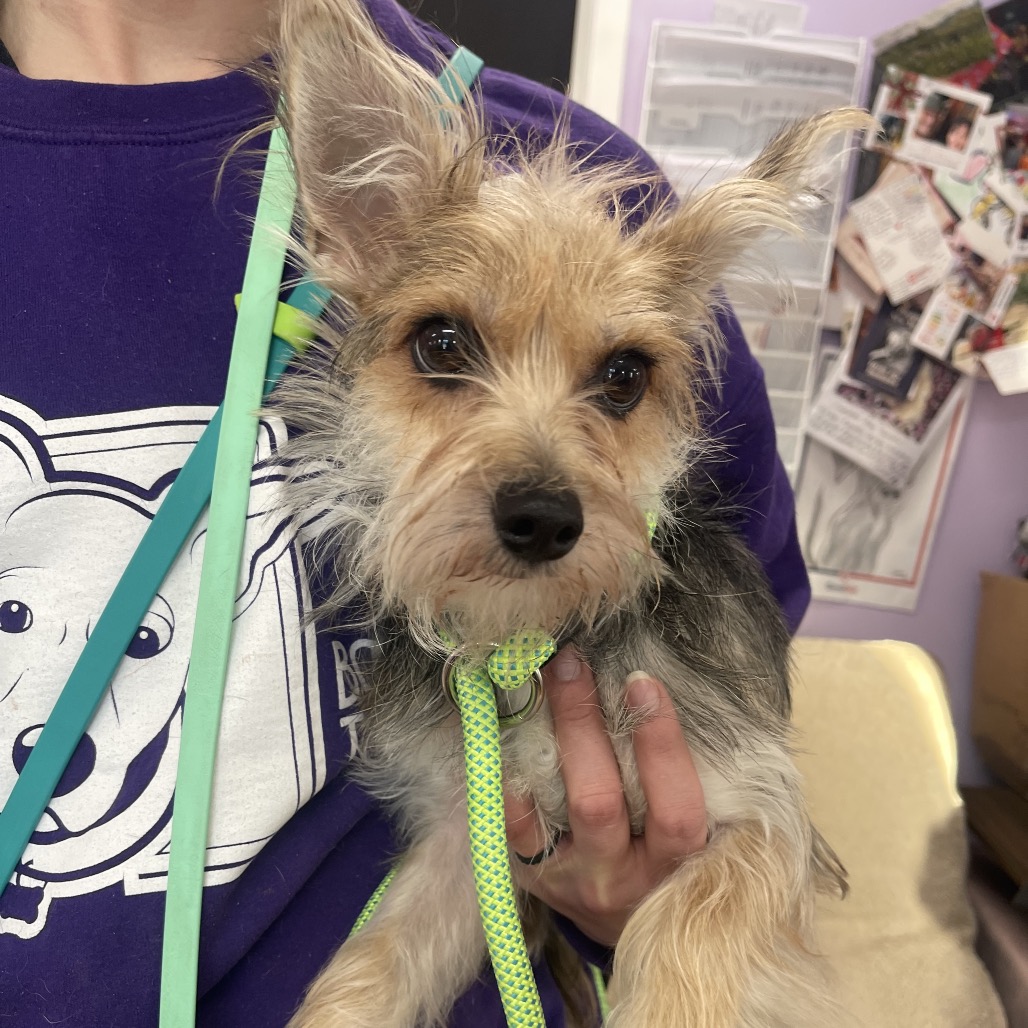
The Yorkshire Terrier is the ultimate proof that big personalities come in small packages. Weighing in at just 4 to 7 pounds, this pint-sized terrier was originally bred to hunt rats in the textile mills of 19th-century Yorkshire, England - and that fearless, tenacious spirit hasn't faded one bit.
Yorkies are now one of the most popular toy breeds in the world, adored for their silky hypoallergenic coat and sassy attitude. But they're not the low-maintenance lap dogs some people expect. Between the grooming demands, dental issues, and a Napoleon complex that can lead to confrontations with dogs ten times their size, Yorkies need an owner who understands what they're getting into.
Quick Facts
| Life Span | 11 - 15 years |
| Weight | 4 - 7 lbs |
| Height | 7 - 8 inches |
| Temperament | Feisty, Affectionate, Confident, Spirited |
| Energy Level | Moderate - 30 minutes of exercise daily |
| Shedding | Very low - hypoallergenic silky coat (hair, not fur) |
| Good With Kids | Better with older children - too fragile for toddlers |
| Good With Other Pets | Mixed - may try to dominate larger dogs |
| Trainability | Moderate - intelligent but stubborn, housebreaking can be challenging |
| AKC Group | Toy |
Temperament & Personality
Yorkies are the definition of "big dog in a small body." They have no idea they weigh under 7 pounds. They'll bark at the delivery driver, challenge a German Shepherd at the dog park, and strut around your home like they own the place - because in their mind, they do.
This terrier boldness is part of their charm, but it also means they need firm, consistent training from day one. Without boundaries, Yorkies develop "small dog syndrome" - excessive barking, snapping, guarding behavior, and refusal to listen. The cure? Treat them like a real dog, not a purse accessory.
Despite the bravado, Yorkies are deeply affectionate with their families. They love to curl up on your lap, follow you from room to room, and be involved in everything you do. They're excellent companions for singles, seniors, and apartment dwellers who want a loyal, alert little dog.
One caveat: Yorkies are not ideal for families with toddlers or very young children. At under 7 pounds, they're fragile - a fall from a couch or accidental squeeze can cause serious injury. Older children who understand gentle handling are a much better match.
Exercise & Activity Needs
Despite their toy size, Yorkies have genuine terrier energy. They were working dogs, not purely ornamental, and they still need daily activity to stay physically and mentally balanced:
- 30 minutes of daily exercise - two short walks plus indoor play sessions
- Mental stimulation - puzzle toys, hide-and-seek, trick training
- Indoor play - Yorkies can burn energy chasing toys in an apartment
- Supervised outdoor time - hawks, coyotes, and even large off-leash dogs pose real threats to a 5-pound dog
Yorkies are one of the best breeds for apartment living. They don't need a yard, and their exercise needs can be met entirely indoors on bad weather days. But don't skip the walks - they need the mental stimulation of sniffing new things.
Is a Yorkshire Terrier right for your lifestyle?
Take our 60-second quiz and we'll match you with the breed that fits your living situation, schedule, and personality.
Take the QuizHealth & Common Issues
Yorkies are generally long-lived dogs (11-15 years), but their tiny size makes them susceptible to several specific health conditions:
- Luxating patella - the kneecap slips out of place, common in toy breeds. Ranges from intermittent limping (Grade 1) to permanent dislocation requiring surgery (Grade 4). Affects up to 26% of Yorkies.
- Tracheal collapse - the cartilage rings in the windpipe weaken and flatten, causing a honking cough, especially during excitement or when pulling on a leash. Always use a harness, never a collar, to reduce tracheal pressure.
- Dental crowding - their tiny jaws mean teeth are packed together, trapping food and bacteria. Yorkies often need professional dental cleanings by age 2 and may lose teeth early without regular brushing.
- Hypoglycemia - low blood sugar is a serious risk, especially in puppies and very small adults under 4 pounds. Symptoms include trembling, disorientation, and seizures. Keep Karo syrup on hand for emergencies.
- Legg-Calve-Perthes disease - the head of the femur deteriorates due to poor blood supply, causing pain and limping. Typically appears between 4-12 months of age and usually requires surgery.
- Portosystemic shunt (liver shunt) - an abnormal blood vessel bypasses the liver, allowing toxins to accumulate. Signs include stunted growth, seizures after eating, and excessive urination.
Grooming & Shedding
Yorkies have hair, not fur - similar to human hair. This means they're hypoallergenic and shed very little, but their coat requires significant maintenance:
- Daily brushing - the silky coat tangles and mats easily, especially behind the ears, under the legs, and around the collar area
- Professional grooming every 4-6 weeks - most owners opt for a "puppy cut" (short all over) rather than maintaining the floor-length show coat
- Daily dental care - brush teeth daily or at minimum 3-4 times per week. Dental disease is the #1 health issue in Yorkies.
- Tear stain cleaning - wipe the eye area daily to prevent staining and infection
- Ear checks weekly - hair grows inside Yorkie ears and may need to be plucked to prevent infections
- Bath every 1-2 weeks - their fine coat picks up dirt easily
If you want the classic long, flowing Yorkie coat, plan on 15-20 minutes of brushing daily plus regular conditioning treatments. Most pet owners wisely choose the puppy cut for sanity.
Costs of Owning a Yorkshire Terrier
| Adoption Fee | $50 - $400 (shelter/rescue) |
| Annual Food | $200 - $500 (small appetites, but need high-quality food) |
| Vet Care (annual) | $400 - $1,200 |
| Professional Grooming | $400 - $800/year (every 4-6 weeks) |
| Dental Cleanings | $300 - $800/year (often needed annually) |
| Pet Insurance | $30 - $60/month |
| Total First Year | $1,800 - $3,500 |
Yorkies eat very little, which keeps food costs low, but grooming and dental care costs are higher than average. Budget for at least one professional dental cleaning per year - it's the single most important investment in your Yorkie's health.
Why Adopt a Yorkshire Terrier?
Yorkshire Terriers are surrendered more often than you'd think. Common reasons include underestimating the grooming commitment, difficulty with housebreaking (Yorkies are notoriously stubborn about potty training), and owners who didn't realize how much attention this breed demands.
Adopting a Yorkie from a rescue means you often get a dog that's already past the difficult puppy housebreaking stage, has a known temperament, and just needs a loving home. Many rescue Yorkies are 2-5 years old - still plenty of life left in a breed that lives 11-15 years.
Where to Find Yorkies for Adoption
- Browse Foredog - we list Yorkshire Terriers from shelters and rescues across the country, updated daily
- Breed-specific rescues - organizations like United Yorkie Rescue and Save a Yorkie Rescue focus exclusively on this breed
- Local shelters - ask to be notified when Yorkies or Yorkie mixes become available
- Senior Yorkies - consider adopting an older Yorkie. They're calmer, often already trained, and desperately need homes
Yorkshire Terriers Available for Adoption Near You
Browse real Yorkie listings from shelters and rescues - updated daily on Foredog.
Browse Yorkshire TerriersFrequently Asked Questions
Are Yorkshire Terriers hypoallergenic?
Yes - Yorkies have hair rather than fur, which means they produce significantly less dander than most breeds. No dog is 100% hypoallergenic, but Yorkies are one of the best options for allergy sufferers.
Are Yorkies hard to potty train?
Yes, Yorkies are one of the more challenging breeds to housebreak. Their small bladders and stubborn terrier temperament make consistency essential. Many owners use indoor potty pads as a permanent solution, especially in cold climates where Yorkies refuse to go outside in winter.
Can Yorkies be left alone during the workday?
Yorkies are prone to separation anxiety and do best with owners who are home frequently. If you work full-time, consider doggy daycare, a dog walker, or a companion pet. Most Yorkies shouldn't be left alone for more than 4-6 hours.
Do Yorkshire Terriers bark a lot?
Yes - Yorkies are alert watchdogs and will bark at every sound, visitor, and passing squirrel. Early training can reduce excessive barking, but you'll never completely silence a Yorkie. They're terriers at heart.
How long do Yorkshire Terriers live?
11-15 years on average, with many Yorkies living well into their teens. Dental care, proper nutrition, and regular vet visits are the biggest factors in longevity.
Are Yorkies good apartment dogs?
Excellent apartment dogs - they're small, don't need a yard, and their exercise needs are modest. The only concern is barking, which can bother neighbors if not managed with training.
Can I adopt a Yorkshire Terrier from a shelter?
Absolutely. Thousands of Yorkies end up in rescues every year. Browse available Yorkshire Terriers on Foredog to see current listings near you.
Find Your Perfect Dog Match
Not sure if a Yorkie is the one? Our matchmaking quiz considers your lifestyle, living space, and experience to find your ideal breed.
Take the Quiz