Miniature Schnauzer: Big Dog Energy in a Small Package
In This Guide
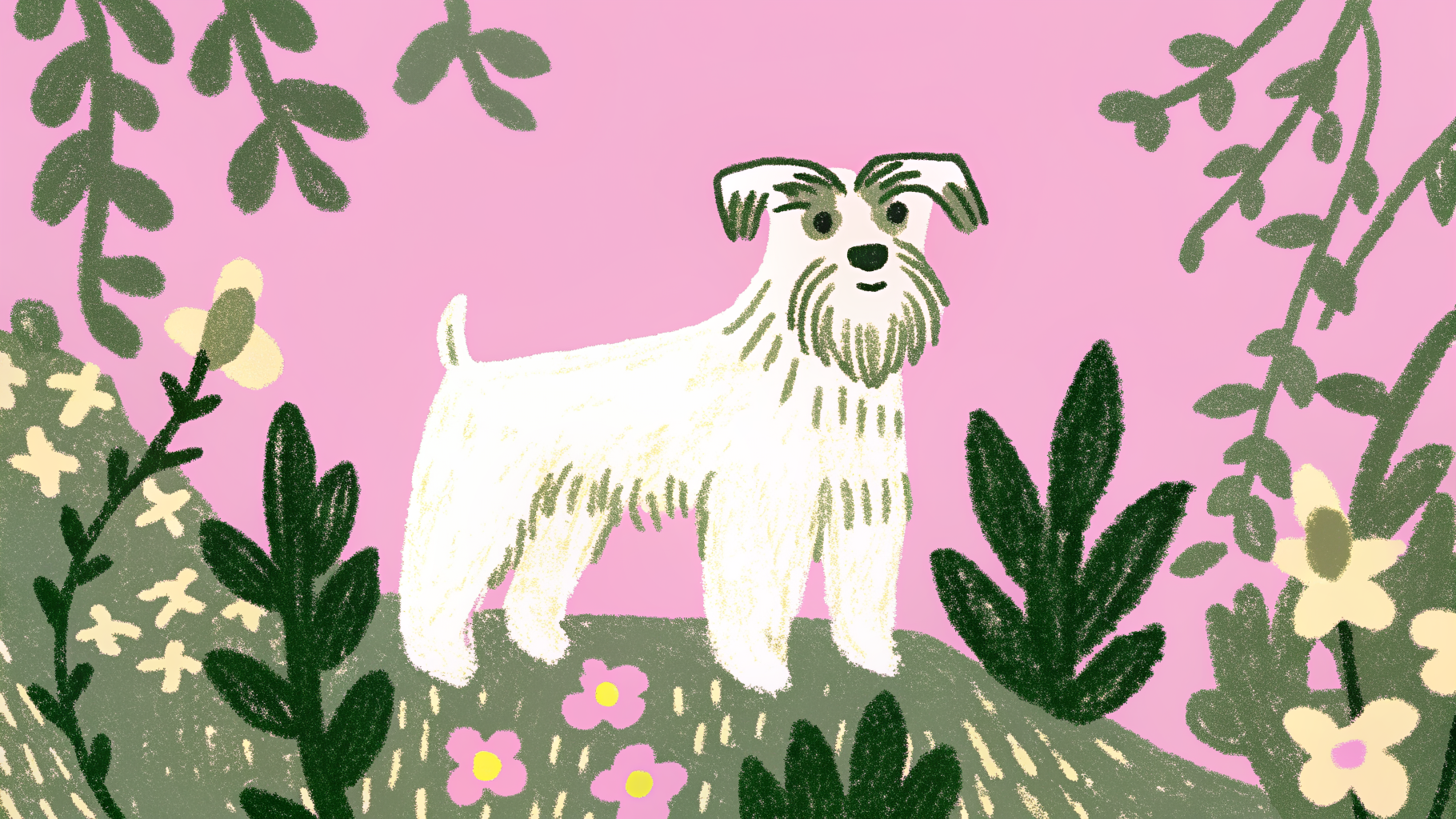
The Miniature Schnauzer is a small dog with the heart of a warrior and the beard of a distinguished professor. Developed in Germany by crossing the Standard Schnauzer with smaller breeds like the Affenpinscher and Poodle, the "Mini" was originally a ratting dog on farms - tough, quick, and fearless enough to go after vermin in tight spaces.
Today, Miniature Schnauzers are the most popular of the three Schnauzer sizes and consistently rank among the top 20 most popular breeds in the US. Their hypoallergenic coat, manageable size, and spirited personality make them excellent companions for families, singles, and seniors alike. But they come with quirks: they bark, they have opinions, and they will absolutely run your household if you let them.
Quick Facts
| Life Span | 12 - 15 years |
| Weight | 11 - 20 lbs |
| Height | 12 - 14 inches |
| Temperament | Alert, Spirited, Friendly, Obedient, Intelligent |
| Energy Level | Moderate to high - 45-60 minutes daily |
| Shedding | Very low - hypoallergenic wiry double coat |
| Good With Kids | Good - sturdy enough for family play |
| Good With Other Pets | Generally good - may chase small animals |
| Trainability | High - intelligent and eager to please, but opinionated |
| AKC Group | Terrier |
Temperament & Personality
Miniature Schnauzers are the watchdogs of the small-dog world. They take their self-appointed security role very seriously - every squirrel, leaf, delivery truck, and suspicious-looking cloud will be announced at full volume. If you want a quiet breed, this isn't it.
But underneath that alert exterior is a surprisingly affectionate, people-oriented dog. Unlike many terrier breeds, Miniature Schnauzers are genuinely eager to please their owners. They bond strongly with their family and want to be included in everything. They'll follow you from room to room, sit at your feet while you work, and always be ready for the next adventure.
Intelligence is a hallmark of the breed. Mini Schnauzers learn quickly and can master complex tricks and commands. They excel in obedience trials, agility, and earthdog competitions. However, their smarts come with a streak of stubbornness - they'll sometimes decide that their idea is better than yours. Keep training sessions upbeat and reward-based.
Mini Schnauzers are notably less dog-aggressive than many terrier breeds. They generally get along well with other dogs, especially when socialized early. However, their ratting instincts mean they may chase hamsters, guinea pigs, and other small pets.
Exercise & Activity Needs
Mini Schnauzers have more energy than their size suggests. They're not lap dogs - they're active, curious, and always ready to go:
- 45-60 minutes of daily exercise - brisk walks, play sessions, training activities
- Mental stimulation is key - puzzle feeders, trick training, scent games, and hide-and-seek
- Fetch and chase games - their ratting instinct makes them natural chasers
- Earthdog trials - a sport designed specifically for terriers, where dogs navigate tunnels to find caged rats (safely)
- Adaptable to apartments - their moderate size and exercise needs make them good apartment dogs, provided they get daily activity
Without adequate exercise and mental stimulation, Mini Schnauzers will bark excessively, dig, and find their own entertainment - often at the expense of your furniture. A daily walk plus 15-20 minutes of training or play usually keeps them satisfied.
Is a Miniature Schnauzer your perfect match?
Take our 60-second matchmaking quiz to find out if this spirited terrier fits your lifestyle - or discover your ideal breed.
Take the QuizHealth & Common Issues
Miniature Schnauzers are generally healthy dogs with a good lifespan, but they have several breed-specific conditions to watch for:
- Pancreatitis - the #1 health concern in the breed. Miniature Schnauzers are genetically predisposed to high triglyceride levels (hyperlipidemia), which puts them at significantly elevated risk for pancreatitis - painful inflammation of the pancreas that can be life-threatening. Symptoms include vomiting, abdominal pain, loss of appetite, and lethargy. A low-fat diet is not optional - it's essential for this breed.
- Urinary stones (urolithiasis) - Mini Schnauzers form calcium oxalate and struvite bladder stones more frequently than almost any other breed. Signs include straining to urinate, blood in urine, and frequent urination. Adequate water intake and sometimes prescription diets help prevent recurrence.
- Cataracts - hereditary cataracts are common, often appearing between ages 3-6. Regular eye exams can catch them early.
- Mycobacterium avium complex (MAC) - a rare but breed-specific susceptibility to this bacterial infection. Miniature Schnauzers are one of the few breeds with a documented genetic predisposition. Symptoms include fever, weight loss, and swollen lymph nodes.
- Comedone syndrome (Schnauzer bumps) - blackhead-like bumps along the back, caused by blocked hair follicles. Cosmetic but can become infected. Unique to Schnauzers.
- Diabetes - Mini Schnauzers have a higher-than-average diabetes rate, potentially linked to their tendency toward hyperlipidemia
Grooming & Shedding
The Miniature Schnauzer's wiry double coat is hypoallergenic and sheds very little, but it requires regular professional grooming to maintain the classic Schnauzer look:
- Professional grooming every 5-8 weeks - the traditional Schnauzer cut involves hand-stripping (for show dogs) or clipping the body short while leaving the leg furnishings, beard, and eyebrows long
- Brush 2-3 times per week - focus on the beard, leg furnishings, and underbelly where mats form
- Beard cleaning after meals - that magnificent Schnauzer beard is a food trap. Wipe it after every meal to prevent staining and odor
- Ear checks weekly - hair grows inside the ear canal and may need plucking
- Dental care 2-3 times per week
The great trade-off with Mini Schnauzers: you won't find hair on your furniture, but you'll spend more on grooming appointments than with a wash-and-wear short-coated breed. Most owners budget $50-$80 per grooming session.
Costs of Owning a Miniature Schnauzer
| Adoption Fee | $50 - $400 (shelter/rescue) |
| Annual Food | $300 - $600 (low-fat diet recommended) |
| Vet Care (annual) | $400 - $1,200 |
| Professional Grooming | $500 - $900/year (every 5-8 weeks) |
| Pet Insurance | $30 - $60/month |
| Dental Care | $200 - $500/year |
| Total First Year | $1,800 - $3,500 |
Miniature Schnauzers are moderately priced to maintain. The biggest ongoing expense beyond vet care is professional grooming. Their food costs are modest due to their small size, but always invest in high-quality, low-fat food to protect against pancreatitis.
Why Adopt a Miniature Schnauzer?
Miniature Schnauzers are surrendered for many reasons - excessive barking that bothers neighbors, grooming costs that owners didn't anticipate, or simply life changes. Because they're a popular breed, there are dedicated rescue organizations across the country with wonderful dogs waiting for homes.
Adopting an adult Mini Schnauzer gives you a dog with an established personality. You'll know if they're a barker (most are), how they get along with other pets, and what their energy level is like. Many rescue Minis are 3-7 years old - still full of life with a decade ahead of them.
Finding Miniature Schnauzers for Adoption
- Browse Foredog - we list Miniature Schnauzers from shelters and rescues, updated daily
- Breed-specific rescues - Miniature Schnauzer Rescue, American Miniature Schnauzer Club rescue network, and regional Schnauzer rescues
- Schnauzer mixes - "Schnoodles" (Schnauzer-Poodle mixes) and other Schnauzer mixes are common in shelters and share many of the breed's best qualities
Miniature Schnauzers Available for Adoption
Browse real Miniature Schnauzer listings from shelters and rescues - updated daily on Foredog.
Browse Miniature SchnauzersFrequently Asked Questions
Are Miniature Schnauzers hypoallergenic?
Yes - Miniature Schnauzers have a wiry double coat that sheds very little and produces less dander than most breeds. They're one of the most commonly recommended breeds for people with allergies, though no dog is 100% hypoallergenic.
Do Miniature Schnauzers bark a lot?
Yes - this is the breed's most common complaint. Mini Schnauzers are alert watchdogs who bark at sounds, strangers, other animals, and sometimes nothing at all. Training can reduce excessive barking, but you won't eliminate it entirely. They're terriers with opinions.
Why can't Miniature Schnauzers eat fatty foods?
Miniature Schnauzers are genetically predisposed to hyperlipidemia (high blood fat levels), which makes them extremely susceptible to pancreatitis - a painful, potentially life-threatening inflammation of the pancreas often triggered by fatty foods. A low-fat diet is essential for the breed.
Are Miniature Schnauzers good apartment dogs?
Their size and moderate exercise needs make them suitable for apartments, but their barking can be a problem with neighbors. If you live in an apartment, invest in bark training early and provide plenty of mental stimulation.
How long do Miniature Schnauzers live?
12-15 years, which is excellent for their size. With proper diet (low-fat!), regular vet care, and adequate exercise, many Mini Schnauzers live well into their teens.
Can I adopt a Miniature Schnauzer from a rescue?
Absolutely. Breed-specific rescues and shelters regularly have Mini Schnauzers available. Browse available Miniature Schnauzers on Foredog to see current listings near you.
Find Your Perfect Dog Match
Love the Mini Schnauzer spirit but want to compare options? Our quiz matches your lifestyle with the breeds that fit best.
Take the Quiz