Doberman: Misunderstood Breed or Perfect Protector?
In This Guide
The Doberman Pinscher is one of the most misunderstood breeds in the world. Hollywood has cast them as villains for decades - snarling guard dogs chained to fences, chasing intruders through darkened warehouses. The reality? Most Doberman owners will tell you their dog is a 90-pound velvet-coated baby who's afraid of thunderstorms and insists on sleeping under the covers.
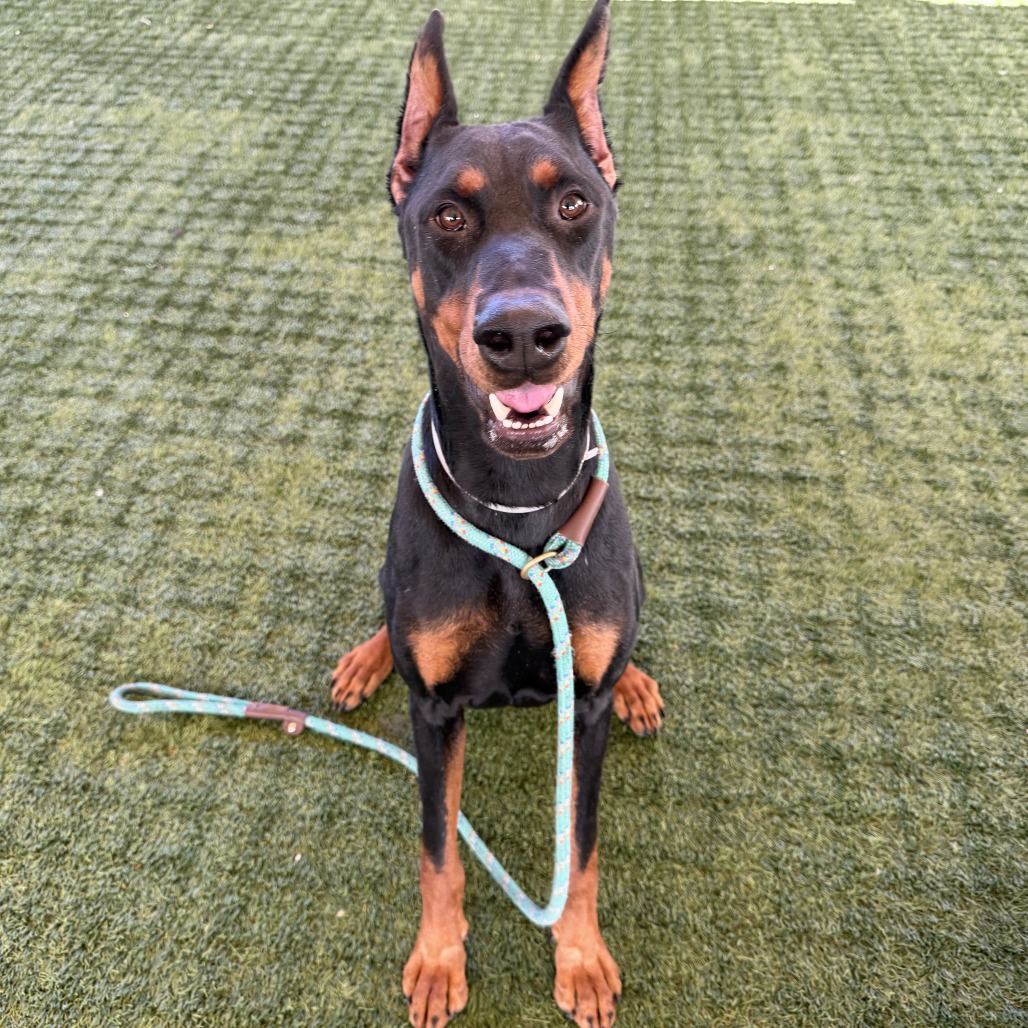
Created in the 1880s by German tax collector Karl Friedrich Louis Dobermann (who wanted a loyal protector for his dangerous rounds), the breed combines intelligence, athleticism, and unwavering loyalty in an elegant package. But they're not for everyone. Dobermans need experienced owners, extensive exercise, and face a serious genetic heart condition that every potential adopter must understand.
Quick Facts
| Life Span | 10 - 13 years |
| Weight | 75 - 100 lbs (male) · 60 - 90 lbs (female) |
| Height | 26 - 28 inches (male) · 24 - 26 inches (female) |
| Temperament | Loyal, Intelligent, Alert, Fearless, Obedient |
| Energy Level | Very high - needs 2+ hours of exercise daily |
| Shedding | Low to moderate - sleek short coat |
| Good With Kids | Good with family children when socialized - protective |
| Good With Other Pets | Variable - early socialization is critical |
| Trainability | Very high - 5th smartest breed, eager to work |
| AKC Group | Working |
Temperament & Personality
The modern Doberman is a far cry from the aggressive guard dogs of a century ago. Decades of responsible breeding have produced a dog that's loyal, sensitive, and deeply bonded to its family - while still maintaining the alertness and courage that makes them one of the world's best natural protectors.
Dobermans are ranked the 5th most intelligent dog breed, and they learn commands with remarkable speed. But that intelligence cuts both ways: they need a confident, consistent owner. A Doberman will test boundaries, figure out how to open doors and gates, and quickly learn what they can get away with.
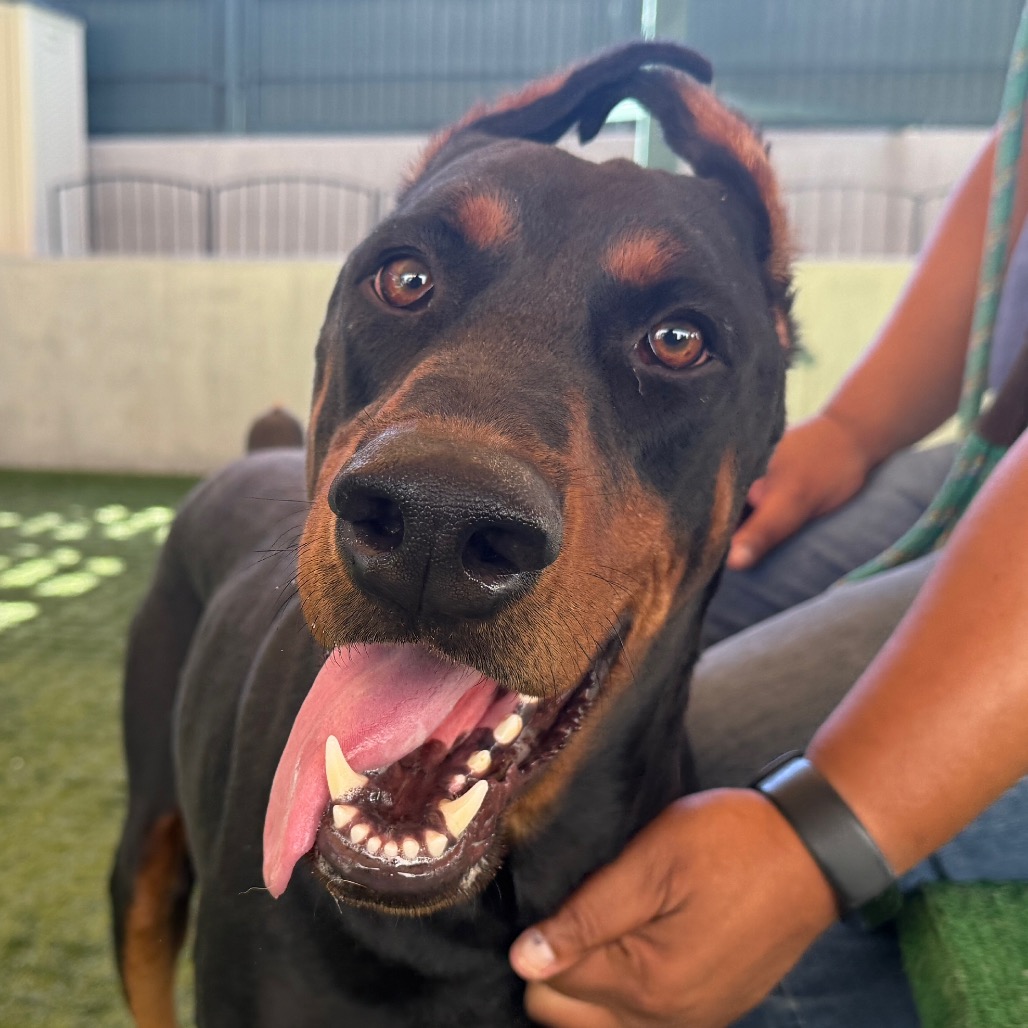
With their own family, Dobermans are gentle, affectionate, and often goofy. They're surprisingly good with children they've been raised with - they become fiercely protective of "their" kids. However, they can be aloof or suspicious with strangers, which is exactly what they were bred for. Early, extensive socialization - meeting hundreds of people, dogs, and experiencing diverse situations before age 1 - is non-negotiable.
If you want a friendly-to-everyone breed, consider a Golden Retriever or Labrador. If you want a loyal protector who's also a loving family member, the Doberman excels.
Exercise & Activity Needs
Dobermans are elite athletes. They're fast (up to 32 mph), agile, and built for endurance. Under-exercised Dobermans become anxious, destructive, and neurotic. This is not a breed you can tire out with a 20-minute walk:
- 2+ hours of exercise daily - running, fetch, agility, hiking, swimming
- Mental challenges are essential - obedience training, scent work, puzzle toys, learning new tricks
- Structured activities - Dobermans excel in Schutzhund, agility, rally, and competitive obedience
- A fenced yard is strongly recommended - at least 6 feet high, as athletic Dobermans can clear shorter fences
- Running companion - Dobermans make outstanding jogging and cycling partners
A tired Doberman is a well-behaved Doberman. If you can't commit to 2+ hours of daily physical and mental exercise, this is not the breed for you. Consider a Cavalier King Charles Spaniel or Shih Tzu for lower-energy companionship.
Can you keep up with a Doberman?
Our 60-second matchmaking quiz helps you find the breed that matches your activity level, living space, and experience.
Take the QuizHealth & Common Issues
Dobermans face a serious health challenge that every potential owner and adopter must understand:
- Dilated Cardiomyopathy (DCM) - this is the Doberman's most critical health issue. DCM causes the heart muscle to weaken and enlarge, leading to arrhythmias and sudden death. Studies suggest 40-60% of Dobermans will develop DCM. It can strike without warning - apparently healthy dogs can collapse and die from sudden cardiac arrest. Annual Holter monitor testing (24-hour heart recording) and echocardiograms should begin at age 2-3.
- Von Willebrand Disease (vWD) - a bleeding disorder where the blood doesn't clot properly. Type 1 vWD affects up to 70% of Dobermans, though most cases are mild. Testing before any surgery is essential.
- Hip dysplasia - less common than in German Shepherds or Labs, but still a concern in this large breed
- Wobbler Syndrome (cervical vertebral instability) - compression of the spinal cord in the neck causes a wobbly, uncoordinated gait. Dobermans are the most commonly affected breed. Symptoms include stumbling, difficulty walking, and neck pain.
- Hypothyroidism - the thyroid gland underproduces hormones, causing weight gain, lethargy, and skin problems. Easily managed with daily medication once diagnosed.
- Bloat (GDV) - as a deep-chested breed, Dobermans are at risk for gastric dilatation-volvulus. Feed multiple smaller meals, avoid exercise right after eating, and discuss preventive gastropexy with your vet.
Grooming & Shedding
This is one area where Dobermans are low-maintenance. Their sleek, short coat requires minimal grooming:
- Brush once a week - a rubber curry brush or grooming mitt removes loose hair and distributes skin oils
- Bathe every 6-8 weeks - or when dirty. Over-bathing strips the coat's natural oils
- Nail trimming every 2-3 weeks - Dobermans' nails grow fast and can crack on hard surfaces
- Ear cleaning weekly - especially important for natural (uncropped) ears
- Dental care - brush teeth 2-3 times per week
Dobermans are not hypoallergenic and do shed, but it's manageable - nothing like a Husky or Golden Retriever. Their thin coat also means they're sensitive to cold weather, so plan for a dog coat in winter.
Costs of Owning a Doberman
| Adoption Fee | $50 - $500 (shelter/rescue) |
| Annual Food | $600 - $1,200 (large breed, high-quality diet needed) |
| Vet Care (annual) | $600 - $2,000 |
| Cardiac Testing | $500 - $1,000/year (Holter + echo) |
| Pet Insurance | $50 - $100/month (higher due to DCM risk) |
| Training | $300 - $1,000 (professional training strongly recommended) |
| Total First Year | $2,500 - $5,500 |
Dobermans are expensive to own properly. Between cardiac monitoring, high-quality food for a 75-100 lb dog, and professional training, budget at minimum $3,000 per year. Cutting corners on cardiac testing is not an option with this breed.
Why Adopt a Doberman?
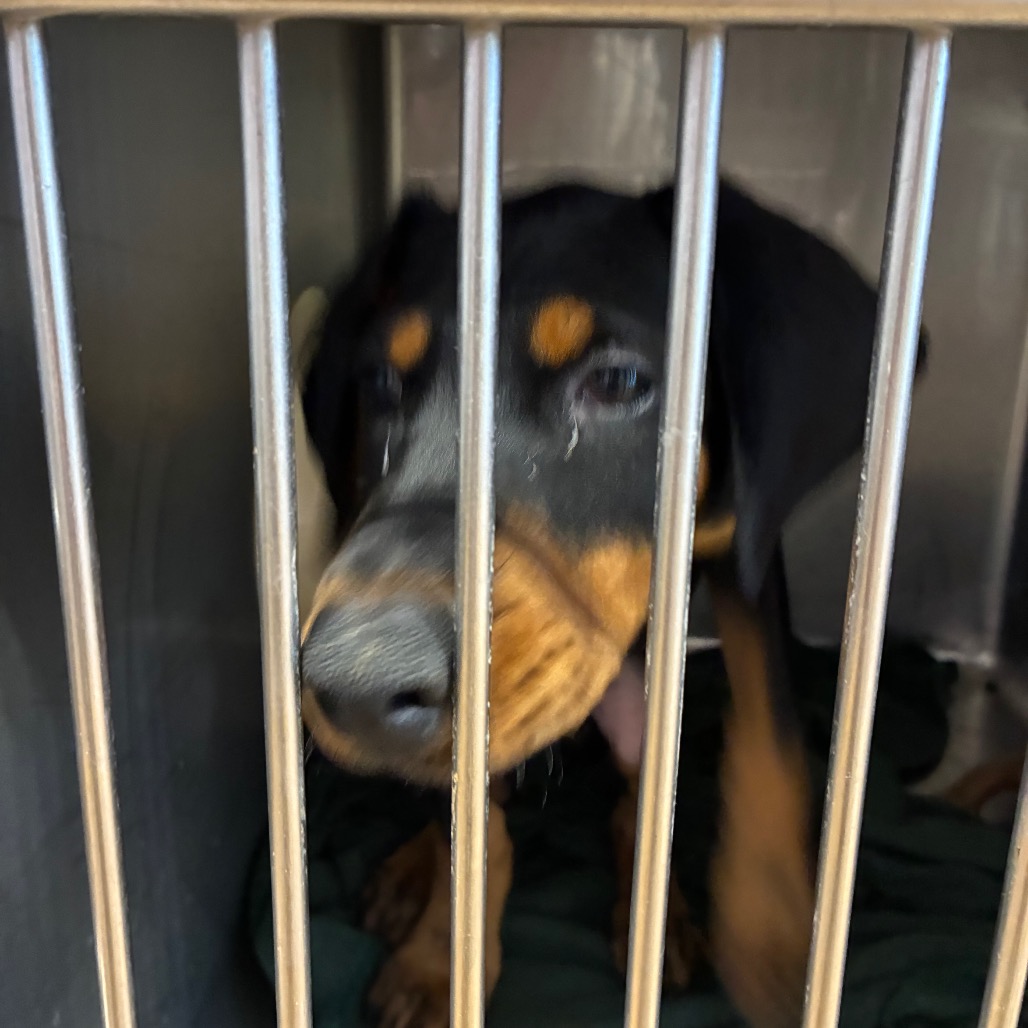
Dobermans end up in shelters and rescues more often than people realize. Common reasons include breed-specific legislation (BSL) forcing owners to surrender them, underestimating the exercise commitment, and apartment complexes banning the breed. Many landlords and insurance companies still discriminate against Dobermans.
Rescue Dobermans are often well-trained adults who just need a second chance. Many have been temperament-tested by the rescue organization and come with a clear picture of their personality, energy level, and health status. Adopting an adult Doberman means you skip the mouthy, high-energy puppy phase and get a dog whose personality is already established.
Where to Find Dobermans for Adoption
- Browse Foredog - we list Dobermans from shelters and rescues nationwide, updated daily
- Breed-specific rescues - Doberman Pinscher Rescue, Doberman Rescue Unlimited, and regional Doberman rescues are the best resources
- Check BSL areas - dogs in cities with breed bans desperately need adoption in non-restricted areas
- Military and police rehoming - retired working Dobermans sometimes become available through specialized programs
Dobermans Available for Adoption Near You
Browse real Doberman listings from shelters and rescues - updated daily on Foredog.
Browse DobermansFrequently Asked Questions
Are Dobermans aggressive?
No - modern Dobermans are loyal and affectionate family dogs when properly bred, socialized, and trained. They're protective of their family, which is different from aggression. Temperament studies consistently show well-bred Dobermans are stable and trustworthy. The "aggressive Doberman" stereotype comes from outdated portrayals and irresponsible breeding.
Do Dobermans need their ears cropped?
No - ear cropping is a cosmetic procedure with no health benefit. Many countries have banned it, and the trend in the US is shifting toward natural ears. Natural-eared Dobermans are just as healthy and beautiful. If you adopt, your Doberman may have natural or cropped ears depending on their history.
How serious is DCM in Dobermans?
Very serious. DCM (dilated cardiomyopathy) affects 40-60% of Dobermans and can cause sudden death. Annual cardiac testing starting at age 2 is essential. Early detection and treatment with medications can extend life by years. This is the single most important health consideration for the breed.
Are Dobermans good family dogs?
Yes - with proper training and socialization, Dobermans are excellent family dogs. They're gentle with children they've been raised with and fiercely protective. However, they're best for experienced dog owners who can provide firm, consistent leadership and 2+ hours of daily exercise.
Do Dobermans do well in apartments?
Generally no. Dobermans are large, high-energy dogs that need space to move and a yard to run in. They can adapt to apartment living only if you provide extensive daily exercise - but a house with a fenced yard is strongly preferred.
How long do Dobermans live?
10-13 years, though DCM can cut this short. Regular cardiac monitoring, good nutrition, and adequate exercise are the best ways to maximize your Doberman's lifespan.
Find Your Perfect Dog Match
Not sure if you're ready for a Doberman? Our matchmaking quiz considers your experience, lifestyle, and living situation to find your ideal breed.
Take the Quiz