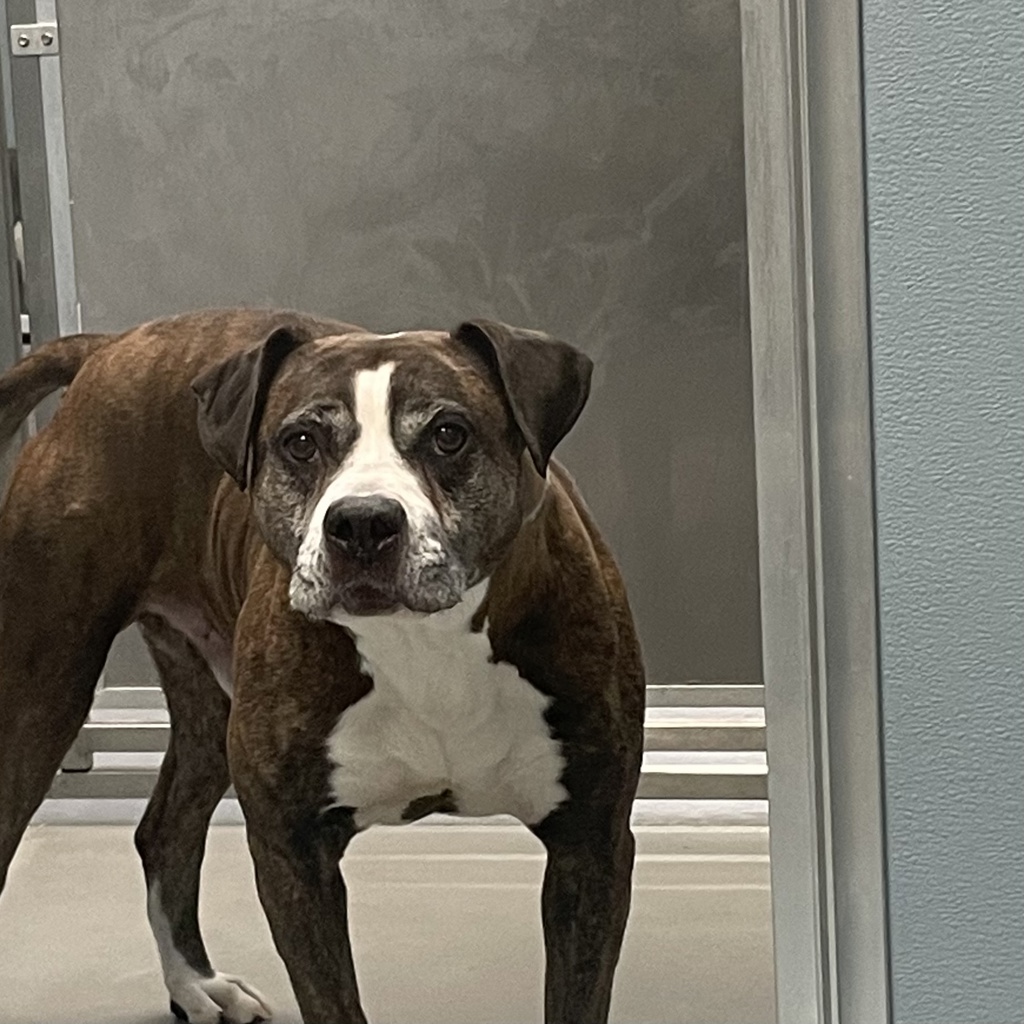
Boxer: The Energetic Clown of the Dog World
In This Guide
Boxers are the Peter Pan of the dog world - they refuse to grow up. While most large breeds start to mellow around age 2 or 3, Boxers maintain their puppy-like enthusiasm, boundless energy, and clownish antics well into their senior years. They'll be doing full-body wiggles and "kidney bean" dances at age 8 with the same gusto as they did at 8 months.
Originally bred in Germany as bull-baiting dogs and later as butcher's helpers and all-purpose working dogs, today's Boxer is primarily a beloved family companion known for patience with children, fierce loyalty, and an expressively wrinkled face that seems to convey every emotion. But behind that goofy exterior is a breed with serious health concerns - particularly cancer - that every potential adopter needs to understand.
Quick Facts
| Life Span | 10 - 12 years |
| Weight | 65 - 80 lbs (male) · 50 - 65 lbs (female) |
| Height | 23 - 25 inches (male) · 21.5 - 23.5 inches (female) |
| Temperament | Playful, Patient, Loyal, Energetic, Brave |
| Energy Level | High - needs 1-2 hours of exercise daily |
| Shedding | Low - short, tight-fitting coat |
| Good With Kids | Excellent - one of the most patient breeds with children |
| Good With Other Pets | Good when socialized - can be dominant with same-sex dogs |
| Trainability | Moderate - intelligent but stubborn, responds to fun-based training |
| AKC Group | Working |
Temperament & Personality
Ask any Boxer owner what makes the breed special, and you'll hear the same word over and over: personality. Boxers are expressive, dramatic, and endlessly entertaining. They talk with their entire body - the wiggling, the pawing, the "woo-woo" vocalizations, the way they sit on your feet and lean their full weight against your legs.
They're also famously patient with children. Boxers will tolerate being climbed on, dressed up, and used as pillows with a stoic gentleness that surprises people who only know the breed by its muscular appearance. This patience, combined with their natural protectiveness, makes them one of the top family dog breeds in the United States.
Training a Boxer requires creativity and patience. They're intelligent enough to learn anything, but they bore quickly with repetitive drills. Keep training sessions short, fun, and varied. Harsh corrections will shut a Boxer down - they're sensitive dogs who respond best to positive reinforcement and humor.
One thing to know: Boxers are guard dogs at heart. They'll alert bark when someone approaches and position themselves between their family and strangers. They're not aggressive, but they are vigilant. Early socialization helps them distinguish between real threats and the mailman.
Exercise & Activity Needs
Boxers are athletic, muscular dogs with energy to burn. They were bred for physical work and they still need substantial daily activity:
- 1-2 hours of exercise daily - walks, runs, fetch, wrestling with other dogs
- Play-based exercise - Boxers prefer games over monotonous jogging. Fetch, tug-of-war, and flirt poles are favorites
- Avoid extreme heat - Boxers are brachycephalic (short-nosed) and overheat easily. Exercise in the early morning or evening during summer
- Fenced yard highly recommended - they need space to zoom and burn off energy
- Dog parks (with caution) - most Boxers love other dogs, but their physical play style can be overwhelming for smaller or timid dogs
A bored Boxer is a destructive Boxer. They'll chew furniture, dig holes, and find creative ways to entertain themselves that you won't appreciate. The good news: once properly exercised, they're happy to collapse on the couch for a well-earned nap.
Is a Boxer the right fit for your family?
Take our 60-second matchmaking quiz to find out if a Boxer matches your lifestyle - or discover another breed you'll love just as much.
Take the QuizHealth & Common Issues
Boxers are a breed where health awareness is critical. They face several significant genetic conditions, with cancer being the most concerning:
- Cancer - Boxers have one of the highest cancer rates of any breed. Mast cell tumors, lymphoma, and brain tumors are all disproportionately common. Some studies estimate that cancer accounts for nearly 40% of Boxer deaths. Check your Boxer's skin regularly for lumps and bumps, and don't delay vet visits when you find them.
- Aortic stenosis / subaortic stenosis (SAS) - a congenital heart defect where the aorta narrows, forcing the heart to work harder. Can range from mild (no symptoms) to severe (exercise intolerance, fainting, sudden death). Every Boxer should have a cardiac screening.
- Boxer cardiomyopathy (ARVC) - a breed-specific heart condition causing arrhythmias. Different from the DCM seen in Dobermans. Can cause fainting or sudden cardiac death during exercise. Holter monitor testing is recommended.
- Bloat (GDV) - Boxers' deep chests make them high-risk for gastric dilatation-volvulus, a life-threatening emergency where the stomach twists. Feed 2-3 smaller meals instead of one large meal, and consider preventive gastropexy surgery.
- Hip dysplasia - common in medium-to-large breeds, causing pain and mobility issues
- Degenerative myelopathy (DM) - a progressive disease of the spinal cord causing hind-leg weakness and eventually paralysis. There's a DNA test available but no cure.
- Brachycephalic issues - Boxers' shortened muzzles mean they snore, overheat easily, and can have breathing difficulties during intense exercise or in hot weather
Grooming & Shedding
The Boxer's short, tight coat is one of the easiest to maintain in the dog world:
- Brush once a week - a rubber curry brush or grooming mitt is all you need
- Bathe every 4-6 weeks - Boxers tend to stay relatively clean
- Clean facial wrinkles daily - moisture and bacteria collect in the folds around their muzzle and can cause irritation or infection
- Nail trimming every 2-3 weeks
- Dental care 2-3 times per week - their undershot jaw can make dental hygiene important
Boxers shed, but it's minimal compared to double-coated breeds. The trade-off is that their short coat provides zero insulation - they need a coat in cold weather and should never be left outside in winter.
Costs of Owning a Boxer
| Adoption Fee | $50 - $500 (shelter/rescue) |
| Annual Food | $500 - $1,000 |
| Vet Care (annual) | $600 - $2,000 |
| Cancer Screening / Lump Checks | $200 - $500/year |
| Pet Insurance | $50 - $90/month (higher due to cancer risk) |
| Grooming Supplies | $50 - $150/year |
| Total First Year | $2,000 - $4,500 |
Pet insurance is particularly important for Boxers due to their cancer susceptibility. Get a policy early, before any pre-existing conditions develop. Cancer treatment for dogs can easily cost $5,000-$15,000, making insurance a wise investment.
Why Adopt a Boxer?
Boxers are one of the most commonly surrendered purebred dogs. Their high energy and extended puppyhood catch many owners off-guard - families expect the wild behavior to end at age 2, and when it doesn't, they surrender the dog. This means there are always wonderful Boxers available for adoption.
Adopting an adult Boxer is often ideal. You'll know their full size, temperament, and energy level. Many rescue Boxers are already house-trained, past the most destructive chewing phase, and come with temperament assessments from foster families who can tell you exactly what life with that specific dog is like.
Finding Boxers for Adoption
- Browse Foredog - we list Boxers from shelters and rescues across the country, updated daily
- Breed-specific rescues - organizations like Boxer Rescue, NorCal Boxer Rescue, Green Acres Boxer Rescue, and dozens of regional groups
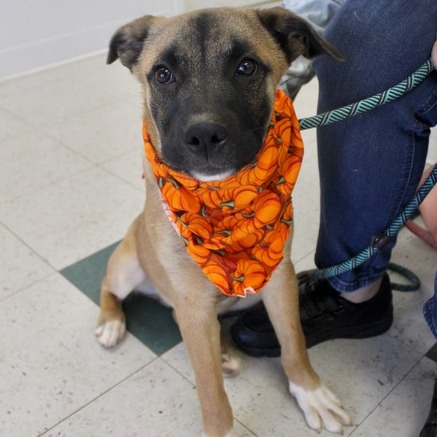
- Boxer mixes - Boxer mixes are very common in shelters and often have the same wonderful personality with potentially fewer breed-specific health issues
Boxers Available for Adoption Near You
Browse real Boxer listings from shelters and rescues - updated daily on Foredog.
Browse BoxersFrequently Asked Questions
Are Boxers good with kids?
Excellent - Boxers are one of the most patient and gentle breeds with children. They're playful enough to keep up with active kids and tolerant enough to handle the occasional rough play. Their natural protectiveness makes them wonderful family guardians.
Why do Boxers get cancer so often?
Genetic factors make Boxers predisposed to several cancer types, especially mast cell tumors and lymphoma. The breed's relatively small gene pool has concentrated these genetic risks. Regular skin checks and prompt veterinary attention for any new lumps are the best defense.
Do Boxers ever calm down?
Boxers mature more slowly than most breeds and maintain puppy-like energy longer - often until age 3 or 4. They never fully lose their playfulness, which is part of their charm. However, with adequate daily exercise, they do settle nicely in the house.
Can Boxers handle hot weather?
Poorly. Boxers are brachycephalic (short-nosed) and struggle to regulate body temperature through panting. Exercise should be limited to cool parts of the day in summer. Always provide shade, water, and air conditioning. Heatstroke is a real and serious risk.
How long do Boxers live?
10-12 years on average, though cancer and heart conditions can shorten this. Early health screening, a quality diet, regular exercise, and prompt attention to lumps or health changes can help maximize your Boxer's lifespan.
Are Boxers aggressive?
No - well-socialized Boxers are friendly and playful. They can be protective of their family, but they're not an aggressive breed. Their muscular appearance is misleading - most Boxers are goofy, affectionate dogs who want to be everyone's friend.
Find Your Perfect Dog Match
Love the Boxer personality but want to explore more options? Our quiz matches you with breeds that fit your unique lifestyle.
Take the Quiz