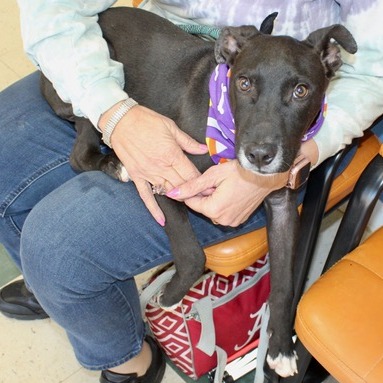
Mixed Breed Dogs: Why Mutts Make the Best Pets
In This Guide
Here's a fact that surprises many people: mixed breed dogs - mutts, mongrels, All-Americans, whatever you want to call them - make up the majority of dogs in shelters and are, by many measures, the healthiest, most affordable, and most unique dogs you can own. While purebreds dominate Instagram and the Westminster Dog Show, mixed breeds quietly dominate the hearts of millions of families who wouldn't trade their one-of-a-kind mutt for anything.
There's no quick-facts table for mixed breeds because that's precisely the point - every mixed breed dog is genuinely unique. Your mutt might have the loyalty of a Labrador, the intelligence of a Border Collie, the goofiness of a Boxer, and the stubbornness of a Beagle, all wrapped up in a package that looks like no other dog on earth. That individuality is a feature, not a bug.
Why Choose a Mixed Breed Dog?
The case for mixed breeds is compelling on every front:
They're Healthier (On Average)
Purebred dogs are the product of selective breeding within closed gene pools, which concentrates desirable traits - but also concentrates genetic diseases. Every purebred breed guide on this site includes a health section full of breed-specific conditions: Golden Retrievers and cancer, Cavaliers and heart disease, Dobermans and DCM, Pugs and breathing problems. Mixed breeds benefit from a broader genetic pool that dilutes these concentrated risks.
They're More Affordable
While purebred puppies from breeders can cost $1,500-$5,000+, shelter adoption fees for mixed breeds typically run $50-$300 and almost always include spay/neuter, vaccinations, microchipping, and an initial health exam. That's thousands saved before day one.
Every One is Unique
With a purebred, you have a general idea of what you're getting - the breed standard provides a template. With a mixed breed, you get a completely unique dog. No one else at the dog park will have a dog that looks exactly like yours. For many owners, that uniqueness is incredibly special.
You're Saving a Life
Mixed breeds make up approximately 75% of shelter dogs in the United States. Many are euthanized simply because there aren't enough homes. Adopting a mixed breed doesn't just give you a wonderful companion - it directly saves a life and opens a shelter space for another dog in need.
Hybrid Vigor & Health Benefits
"Hybrid vigor" (heterosis) is the scientific principle behind mixed breeds' health advantage. When two genetically diverse parents produce offspring, the resulting genetic diversity reduces the likelihood of inheriting two copies of harmful recessive genes - the mechanism behind many purebred diseases.
Research supports this. A landmark 2013 study by UC Davis examining over 27,000 dogs found that purebred dogs were significantly more likely to develop 10 of 24 genetic disorders studied, including:
- Aortic stenosis - 4.4x more likely in purebreds
- Dilated cardiomyopathy (DCM) - significantly more common in purebreds
- Hypoadrenocorticism (Addison's disease)
- Cataracts, elbow dysplasia, IVDD - all more prevalent in purebreds
This doesn't mean mixed breeds are immune to health problems - they're not. Cancer, injuries, infections, and some genetic conditions affect all dogs. But the concentrated genetic risks that plague specific purebred breeds (DCM in Dobermans, MVD in Cavaliers, cancer in Boxers) are significantly diluted in mixed-breed dogs.
Temperament & Personality
One of the most common concerns about mixed breeds is unpredictability: "How do I know what I'm getting?" The answer is simpler than you think, especially when adopting an adult dog from a shelter:
- Adult dogs show you who they are - by age 1-2, a dog's temperament is largely established. When you adopt an adult mixed breed, you're meeting the dog they'll be for life. No guessing about how they'll turn out.
- Shelter temperament assessments - reputable shelters evaluate dogs for reactivity, fearfulness, food aggression, energy level, and behavior with other dogs and children. Ask for the assessment results.
- Foster homes provide the best data - dogs fostered in homes provide detailed information about house-training, energy level, behavior with kids and cats, crate tolerance, and daily routine needs.
- DNA testing reveals the recipe - a $100-$200 DNA test (Embark or Wisdom Panel) can identify the breeds in your mixed breed, giving you insight into potential instincts, exercise needs, and health risks.
Mixed breed temperaments often combine the best traits of their contributing breeds. The intense drive of a herding breed might be softened by the easygoing nature of a retriever. The energy of a terrier might be tempered by the calmness of a companion breed. The result is frequently a dog that's more moderate and balanced than any single breed.
Estimating Adult Size for Mixed Breed Puppies
If you adopt a mixed breed puppy, predicting their adult size is the biggest unknown. Here are the best methods:
- Paw size - oversized paws relative to the body usually indicate the puppy will grow into a larger dog. It's not precise, but it's a reasonable directional indicator.
- Weight at 14 weeks - a rough formula: double the weight at 14 weeks, then add 50% of that for large breeds or 25% for small-to-medium breeds. This gives a ballpark adult weight.
- Skin looseness - puppies with a lot of loose, wrinkly skin tend to grow into that skin, ending up larger than their current size suggests.
- DNA testing - the most accurate method. Embark and Wisdom Panel not only identify breeds but provide predicted adult weight ranges based on genetic markers.
- Ask the shelter - if the mother is known, her size is the strongest predictor. If siblings from a previous litter exist, their adult size is another clue.
How to Choose a Mixed Breed at the Shelter
Walking through a shelter is emotionally overwhelming - every dog deserves a home. Here's how to choose with your head and your heart:
Before You Visit
- Be honest about your lifestyle - how much exercise can you realistically provide daily? How many hours will the dog be alone? Do you have children, cats, or other dogs?
- Define your deal-breakers - size limits? Energy level ceiling? Must be good with cats? Knowing these prevents impulsive decisions.
- Browse online first - look at shelter listings on Foredog to narrow your choices before visiting. Falling in love with a photo is fine, but meeting the dog in person is essential.
At the Shelter
- Ask about behavior assessments - what did staff observe about energy level, food guarding, leash behavior, and reactions to other animals?
- Request a meet-and-greet - spend at least 15-20 minutes with the dog outside their kennel. Shelter behavior can be very different from real-world behavior, so look for the dog's response once they're out of the stressful kennel environment.
- Bring your other pets - most shelters allow (and encourage) dog-to-dog introductions on neutral territory
- Look past the first impression - some of the best shelter dogs are the quiet ones in the back who aren't barking or jumping. Shy doesn't mean broken - it often means scared.
- Consider fostering first - many shelters have foster-to-adopt programs that let you try before committing
Not sure what kind of dog fits your life?
Take our 60-second matchmaking quiz. We'll analyze your lifestyle and suggest breeds and types that match - including mixed breeds.
Take the QuizCosts of Owning a Mixed Breed Dog
One of the clearest advantages of mixed breed adoption is cost - both upfront and ongoing:
| Adoption Fee | $50 - $300 (includes spay/neuter, vaccines, microchip) |
| Annual Food | $300 - $800 (varies by size) |
| Vet Care (annual) | $300 - $1,000 (fewer breed-specific issues on average) |
| Pet Insurance | $25 - $55/month (lower premiums than most purebreds) |
| Grooming | $0 - $600/year (depends on coat type) |
| Training | $100 - $500 (first year) |
| Total First Year | $1,200 - $3,000 |
Compare this to purebred costs: the puppy alone can cost $1,500-$5,000, and breed-specific health issues often result in higher vet bills and insurance premiums. Mixed breeds are frequently the most economical choice.
Potential Cost Savings Over a Lifetime
- Lower vet bills on average - fewer breed-specific genetic conditions means fewer expensive specialist visits
- Lower insurance premiums - insurers charge higher rates for breeds prone to expensive conditions (Dobermans, Cavaliers, Bulldogs)
- Longer average lifespan - mixed breeds live 1-2 years longer than purebreds on average, but this varies greatly by size. More years of companionship for less money.
How to Adopt a Mixed Breed Dog
Adopting a mixed breed is straightforward, and shelters make the process as easy as possible:
- Browse Foredog - we aggregate listings from shelters and rescue organizations across the country. Filter by size, age, and location to find dogs near you.
- Visit your local shelter - walk the aisles, meet dogs, and talk to staff about which dogs match your lifestyle
- Complete an application - most shelters require a basic application covering your living situation, experience, and veterinary references
- Home check (sometimes) - some rescues do home visits to ensure a safe environment
- Trial period - many shelters offer a 2-week foster-to-adopt period so you can make sure it's the right fit
Find Your Perfect Mixed Breed Companion
Thousands of unique, wonderful mixed breed dogs are waiting in shelters right now. Browse real listings, updated daily.
Browse All DogsFrequently Asked Questions
Are mixed breed dogs healthier than purebreds?
On average, yes. Research shows mixed breeds are less likely to develop many genetic disorders common in purebreds, thanks to greater genetic diversity (hybrid vigor). They're not immune to health problems, but they avoid the concentrated genetic risks that specific breeds carry. A 2013 UC Davis study of 27,000+ dogs found purebreds significantly more likely to develop 10 of 24 genetic disorders studied.
How big will my mixed breed puppy get?
The best predictors are paw size (big paws = big dog), weight at 14 weeks (double it plus 25-50%), and DNA testing ($100-$200 from Embark or Wisdom Panel). If size certainty matters, adopt an adult dog that's already reached full size - the most reliable method of all.
Can I do a DNA test on my mixed breed?
Yes - services like Embark ($100-$200) and Wisdom Panel ($80-$160) identify the breeds in your dog's ancestry, screen for genetic health conditions, and predict adult size. It's fascinating, informative, and can help your vet anticipate breed-related health risks.
Are mixed breeds easier to train than purebreds?
It depends entirely on the individual dog and their breed mix. A mixed breed with herding or retriever genetics may be very trainable, while one with terrier or hound genetics may be more independent. The advantage of adopting an adult is that their trainability is already evident - the shelter or foster can tell you how they respond to training.
Why do mixed breeds live longer?
Greater genetic diversity reduces the risk of inheriting harmful recessive gene combinations that cause disease. Mixed breeds live an average of 1-2 years longer than purebreds, though size is the biggest factor in dog longevity - small dogs live longer than large dogs regardless of breed status.
How do I know what temperament a mixed breed will have?
For adult dogs: spend time with them. Their personality is established and what you see is what you get. For puppies: DNA testing reveals contributing breeds, which gives clues about instincts and energy. Shelter temperament assessments and foster-home reports are also invaluable. The safest bet is always adopting an adult whose personality is already known.
Are "designer dogs" the same as mixed breeds?
Not exactly. Designer dogs (Labradoodles, Goldendoodles, Cockapoos, etc.) are intentional crosses of two purebred breeds. True mixed breeds have ancestry from multiple breeds over multiple generations. Designer dogs have more genetic diversity than either parent breed but less than multi-generation mixed breeds. Both can make wonderful pets.
Find Your Perfect Dog Match
Whether it's a purebred or a one-of-a-kind mutt, our matchmaking quiz helps you find the dog that fits your life.
Take the Quiz