How to Choose the Right Dog Breed for Your Lifestyle
In This Guide
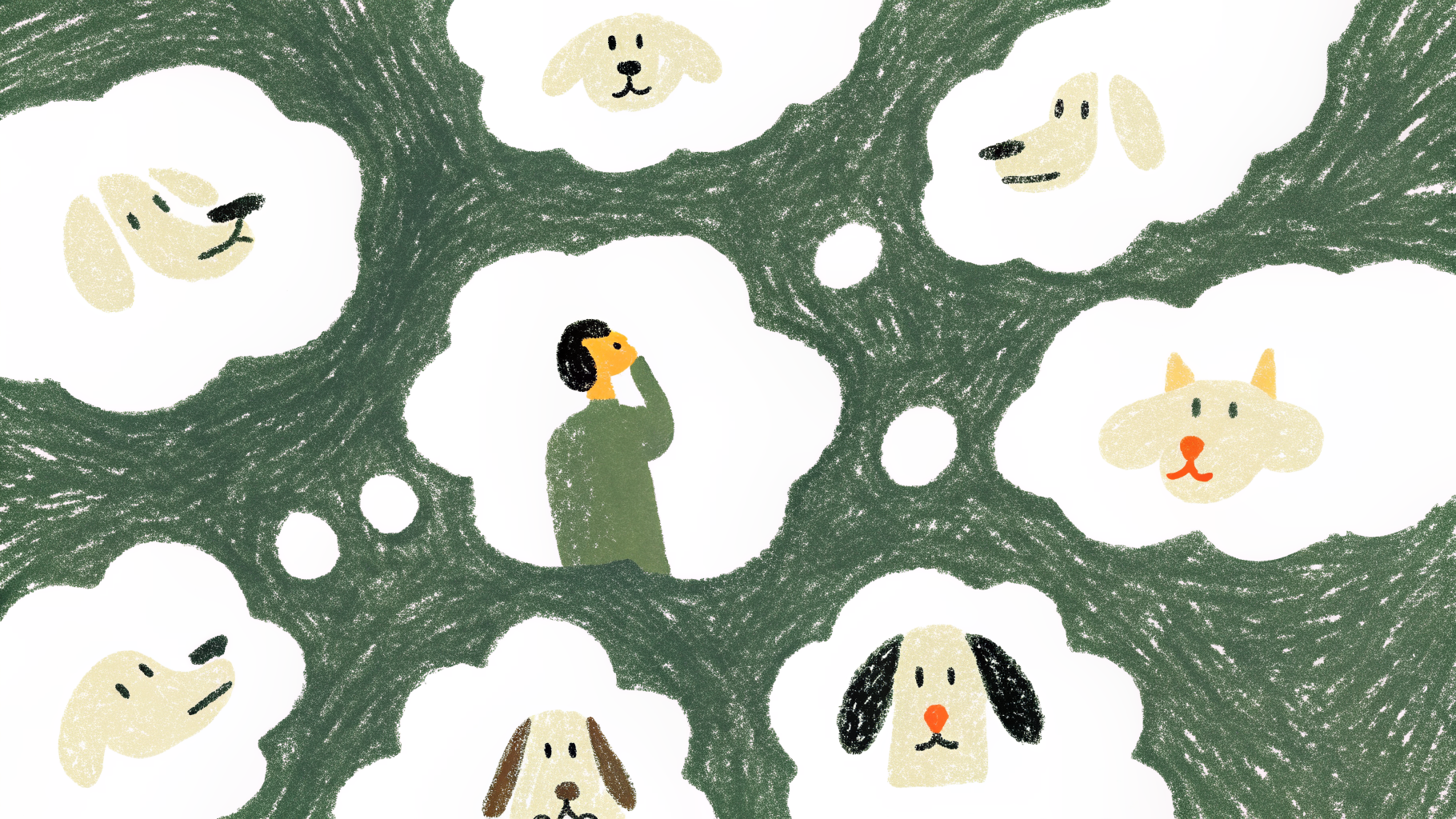
The number one reason dogs get returned to shelters is lifestyle mismatch. An active Border Collie in a sedentary household. A Great Dane in a tiny studio. A first-time owner with a stubborn Shiba Inu. Choosing the right breed isn't about what looks cute - it's about honest self-assessment.
Walk through these six factors and you'll narrow hundreds of breeds down to a handful that actually fit your life.
Factor 1: Your Activity Level
Be honest - brutally honest - about how much exercise you actually do, not how much you aspire to do.
Low Activity (0-30 min of daily exercise)
You prefer short walks, couch time, and a relaxed pace. Best breeds: Greyhound, Basset Hound, English Bulldog, French Bulldog, Shih Tzu. See our low-maintenance breeds guide.
Moderate Activity (30-60 min daily)
You enjoy daily walks and occasional weekend hikes. Best breeds: Cavalier King Charles Spaniel, Beagle, Cocker Spaniel, Standard Poodle, Golden Retriever.
High Activity (60+ min daily)
You run, hike, or bike regularly and want a dog who can keep up. Best breeds: Australian Shepherd, Border Collie, Vizsla, German Shorthaired Pointer, Labrador Retriever. See our exercise guide by breed.
Factor 2: Your Living Space
Apartment (no yard)
Focus on energy level and noise, not size. Many large breeds do well in apartments while some small breeds are too energetic. See our apartment breed guide.
House With Small Yard
Most medium breeds work well. A small yard supplements walks but shouldn't replace them.
House With Large Yard / Rural Property
You have the most flexibility. High-energy, large breeds thrive with space. Consider working breeds that enjoy having a "job."
Factor 3: Your Schedule
Home Most of the Day (Remote Work, Retired)
You can handle breeds that need more companionship, including velcro dogs like Vizslas, Cavaliers, and Pit Bulls. Puppies are also more feasible.
Out 6-8 Hours (Standard Work Day)
Choose breeds with moderate independence. Arrange a midday walk. Adult dogs over 2 are usually best. Avoid breeds prone to separation anxiety (Cavaliers, Vizslas) unless you have a dog walker.
Long or Irregular Hours
Consider whether now is the right time. If you proceed, choose the most independent breeds: Greyhound, Basset Hound, Shiba Inu, Chow Chow. A dog walker or daycare is essential.
Let Our Quiz Do the Matching
Answer a few questions and we'll suggest specific breeds that fit your exact lifestyle - no guesswork needed.
Take the QuizFactor 4: Your Experience
First-Time Owner
Choose forgiving, trainable breeds. Avoid stubborn or independent breeds that require experienced handling. Best first-time breeds: Golden Retriever, Labrador, Cavalier, Poodle, Beagle. See our full first-time owner breed guide.
Experienced Owner
You can handle more challenging breeds - independent thinkers (Shiba Inu, Akita), high-energy working dogs (Belgian Malinois, Border Collie), or breeds with specific needs (Dalmatian, Weimaraner).
Factor 5: Your Family
- Young children: Patient, tolerant breeds are essential. See our family breeds guide.
- Other dogs: Consider social breeds. Avoid same-sex pairs of guardian breeds.
- Cats: Choose breeds with low prey drive. Avoid Greyhounds, Huskies, and terriers unless specifically cat-tested.
- Allergies: See our hypoallergenic breed list.
Factor 6: Your Budget
Some breeds cost significantly more to maintain than others. The main variables:
- Food: A Great Dane eats 4x what a Chihuahua eats
- Grooming: Poodles, Bichons, and Shih Tzus need professional grooming every 6-8 weeks ($50-$100+ per visit)
- Health: Brachycephalic breeds (Bulldogs, Pugs) and giant breeds have higher-than-average vet costs
- Insurance: Premiums vary significantly by breed and size
For a complete financial breakdown, see our adoption cost guide.
Common Breed Matching Mistakes
Avoid these pitfalls that lead to mismatched adoptions:
- Choosing by appearance alone. The most common mistake. A gorgeous Dalmatian looks amazing on Instagram, but their extremely high energy and stubbornness make them a poor match for most households.
- Assuming small means easy. Many small breeds (Jack Russell Terriers, Miniature Pinschers) are more demanding than laid-back large breeds like Greyhounds. Size doesn't predict difficulty.
- Ignoring breed group traits. Herding dogs herd (including children). Terriers dig. Hounds follow scents. Sporting dogs need outlets. These instincts don't disappear because you live in the suburbs.
- Planning for the life you want, not the life you have. "I'll start running when I get a dog" rarely happens. Match the dog to your current activity level, not your New Year's resolution.
- Underestimating grooming commitment. Poodle mixes are wonderful, but their coats require regular professional grooming ($50-$100 every 6 weeks). Factor this into your decision and budget.
- Getting the same breed as a friend. Your friend's calm Golden Retriever doesn't mean every Golden is calm. Individual temperament varies significantly within breeds. Meet the specific dog.
The Mixed-Breed Advantage
Don't overlook mixed-breed dogs. They make up the majority of shelter populations and offer significant advantages:
- Genetic diversity often means fewer breed-specific health issues and longer lifespans
- Unique personalities that combine the best traits of multiple breeds
- Lower cost - mixed breeds are generally cheaper to adopt and often cheaper to insure
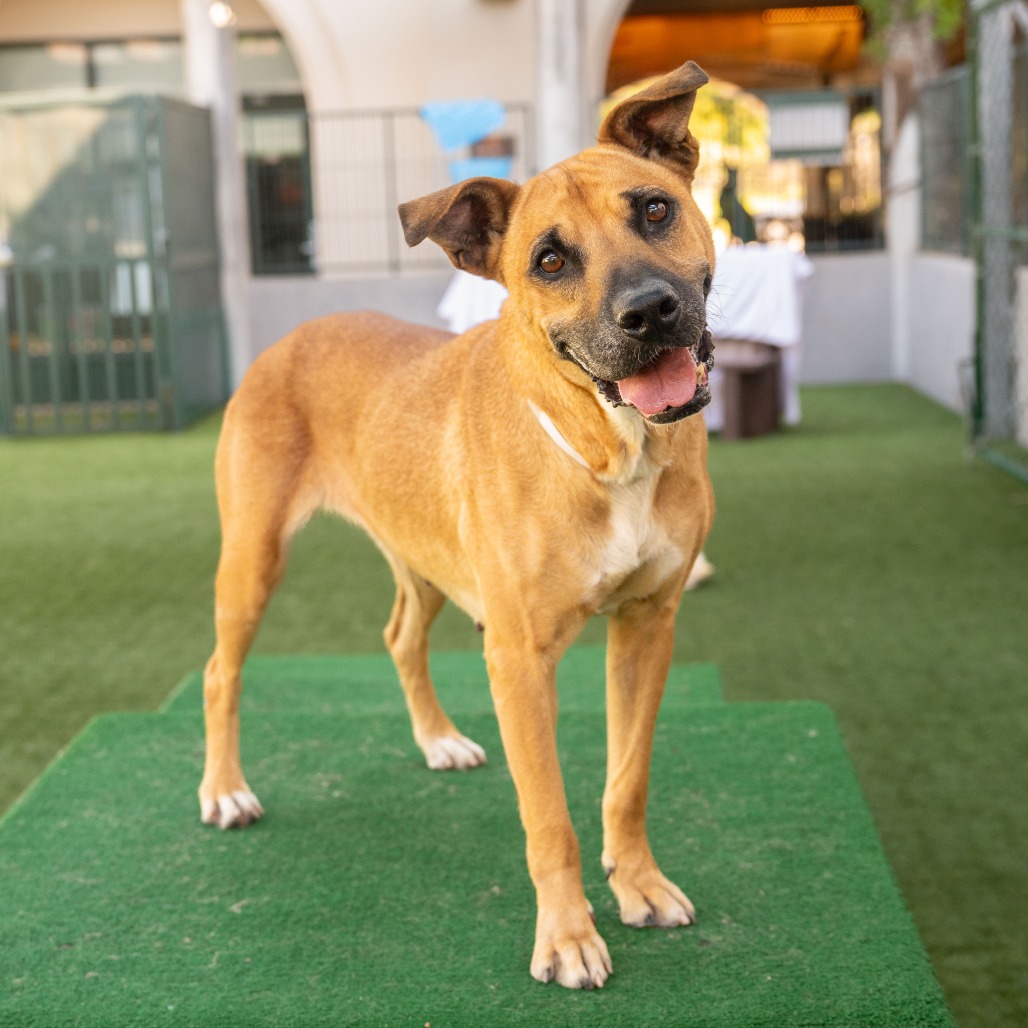
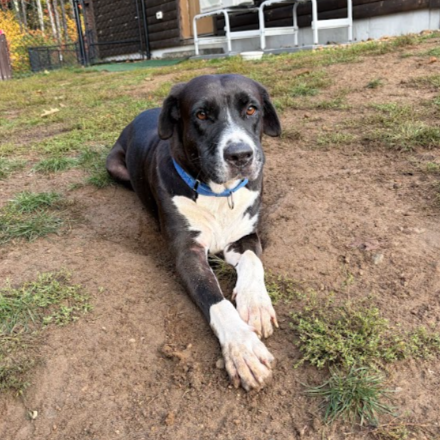
- With adult mixed breeds, temperament is visible. You see the dog's actual personality, energy level, and behavior rather than gambling on breed generalizations
When adopting a mixed breed, focus on the individual dog's observed behavior rather than trying to predict traits from their breed mix. Ask shelter staff about energy level, house-training status, behavior with other animals, and how the dog acts on walks.
Frequently Asked Questions
What is the best way to choose a dog breed?
Start with an honest assessment of your lifestyle: activity level, living space, schedule, experience, family composition, and budget. Match these factors to breed characteristics rather than choosing based on appearance alone.
Should I choose a breed based on size?
Size matters less than energy level and temperament. A calm Great Dane can be a better apartment dog than a hyperactive Jack Russell. Focus on energy, noise, and exercise needs first, then consider size as a secondary factor.
What breed is best for first-time owners?
Golden Retrievers, Labrador Retrievers, Cavalier King Charles Spaniels, and Poodles are consistently recommended for first-time owners due to their trainability, forgiving nature, and adaptable temperament.
How important is breed when adopting a mixed-breed dog?
Mixed-breed dogs often exhibit traits from their dominant breeds. Ask the shelter about observed behavior rather than relying on breed labels. With adult mixed breeds, what you see in terms of energy and temperament is what you get.
Can I use a quiz to find the right breed?
Yes. Breed matching quizzes, like the one on Foredog, use your lifestyle factors to suggest compatible breeds. They are an excellent starting point and can introduce you to breeds you might not have considered.