Dog Adoption in New York: Your Complete 2026 Guide
In This Guide
New York is a tale of two worlds when it comes to dog adoption. In New York City, space is tight but demand for rescue dogs is high - many sought-after breeds get adopted within hours of being listed. Upstate, shelters have more availability and larger breeds are easier to find. Wherever you live in New York, this guide helps you navigate the process.
Adopting in New York City
NYC's shelter system is massive and well-funded, but competition for popular breeds is fierce. Here's where to look:
- Animal Care Centers of NYC (ACC) - The city's open-admission shelter system with locations in Manhattan, Brooklyn, and Staten Island. Adoption fees are $0-$200.
- ASPCA Adoption Center - The nation's original animal welfare organization, headquartered on the Upper East Side.
- Muddy Paws Rescue - Popular foster-based rescue specializing in dogs transported from overcrowded Southern shelters.
- Badass Brooklyn Animal Rescue - Pulls high-risk dogs from kill shelters across the Southeast.
- Social Tees Animal Rescue - East Village rescue known for small and medium dogs.
NYC Apartment Dog Tips
Most New Yorkers live in apartments, and that's perfectly fine for dog ownership. The city is one of the most walkable places on earth, and dogs here often get more exercise than suburban dogs with big yards.
Building Considerations
- Many NYC buildings have weight limits (25-50 lbs is common) or breed restrictions
- Co-ops require board approval for pets; condos and rentals may have simpler pet policies
- Get written permission from your landlord or managing company before adopting
- Pet deposits range from $250 to $500; some buildings charge monthly pet rent
Making It Work
- Three daily walks minimum - NYC dogs can't just be "let out"
- Dog walkers charge $15-$25 per walk in most neighborhoods
- Doggy daycare in NYC runs $40-$75/day but is invaluable for working owners
- Central Park, Prospect Park, and dozens of neighborhood dog runs provide off-leash options
For detailed apartment strategies, see our apartment adoption guide. For breed-specific recommendations, check best apartment dog breeds.
Find the Right Dog for Your NYC Life
Our quiz factors in apartment size, your schedule, and building restrictions to match you with compatible breeds.
Take the QuizUpstate New York Shelters
Upstate New York offers a completely different adoption experience - more space, less competition, and lower fees.
- Mohawk Hudson Humane Society (Albany) - Large shelter serving the Capital Region.
- SPCA of Westchester (Briarcliff Manor) - Well-funded shelter just north of NYC.
- Rochester Animal Services - Western NY's primary shelter.
- SPCA of Upstate New York (Queensbury) - Serves the Adirondack region.
- Finger Lakes SPCA (Bath) - Rural shelter with great dogs and quick adoptions.
Upstate adopters have more flexibility with larger, more active breeds since homes typically offer more space and yard access.
Best Breeds for New York Living
NYC Apartment Favorites
- French Bulldog - NYC's most popular breed. Compact, quiet, low energy.
- Cavalier King Charles Spaniel - Gentle, quiet, happy with moderate walks.
- Greyhound - Surprisingly great apartment dogs. Calm indoors, one good walk a day.
- Shih Tzu - Small, low energy, hypoallergenic.
Upstate / Suburban Picks
- Labrador Retriever - The classic family dog. Needs a yard or very active owner.
- Golden Retriever - Gentle, great with kids, loves four-season outdoor life.
- Husky / Malamute - Actually appropriate upstate where winters are cold and snowy.
- Border Collie - Perfect for rural properties with space to run.
Four-Season Climate Tips
New York experiences full four-season weather, which means different considerations throughout the year:
- Winter (Dec-Feb): NYC sidewalks are salted heavily - get dog booties or use paw wax. Upstate temperatures drop well below freezing; short-coated dogs need jackets.
- Spring (Mar-May): Tick season begins. Start flea/tick prevention early, especially upstate.
- Summer (Jun-Aug): NYC asphalt gets dangerously hot. Walk early or late. Always carry water.
- Fall (Sep-Nov): The best season for dogs in New York. Comfortable temperatures, fewer crowds on trails.
New York Dog Laws
- Leash law: Dogs must be on a leash no longer than 6 feet in NYC public spaces. Off-leash is only permitted in designated areas and in parks before 9 AM and after 9 PM.
- License required: All dogs in NYC must be licensed ($8.50/year spayed/neutered; $34/year intact). Upstate varies by county.
- No breed-specific bans: New York does not have statewide breed bans.
- Poop scoop law: NYC requires owners to clean up after their dogs. Fines start at $250.
- Pet store regulations: New York banned the sale of commercially bred dogs, cats, and rabbits in pet stores as of 2024.
Browse New York Dogs Available Now
Find adoptable dogs across NYC, Long Island, and upstate New York.
Browse Dogs in New YorkFrequently Asked Questions
How much does it cost to adopt a dog in New York?
NYC shelter adoption fees range from $0 to $200 at ACC. Private rescues charge $200 to $500. Upstate shelters typically charge $75 to $250. All fees include spay/neuter, vaccinations, and microchipping.
Can I have a dog in a NYC apartment?
Yes, but check your building's pet policy first. Many buildings have weight limits or breed restrictions. NYC's Pet Law protects tenants who have openly kept a pet for 90+ days without objection from the landlord.
What dog breeds are most available in New York shelters?
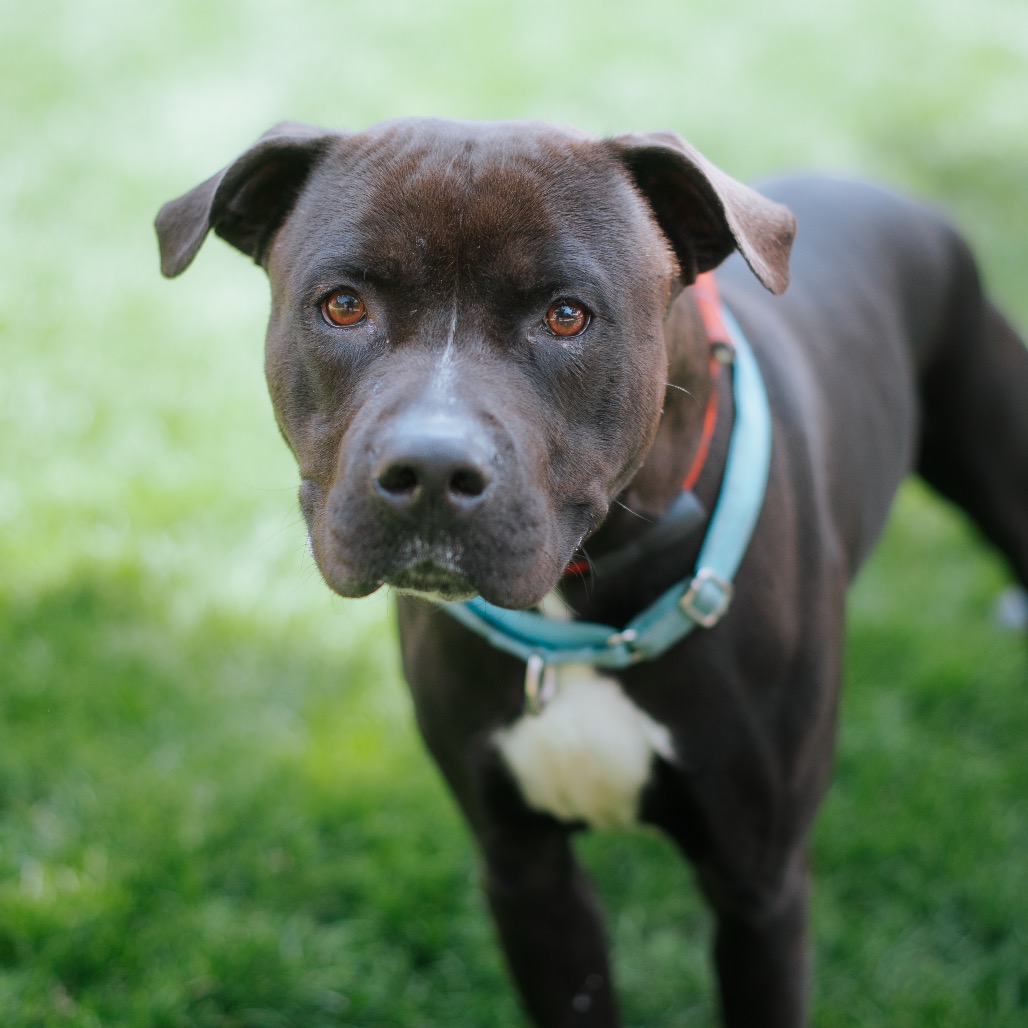
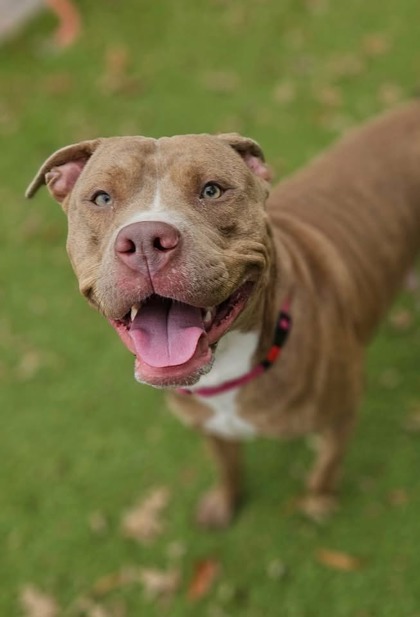
Pit Bull mixes are the most common breed in NYC shelters. Upstate shelters have more variety including Hounds, Shepherds, and larger breeds. Small breeds and puppies get adopted fastest.
Is New York City dog-friendly?
Very. NYC has hundreds of dog runs and off-leash areas, thousands of dog-friendly businesses, and one of the country's best veterinary networks. The main challenges are space and cost.
Do I need to license my dog in New York?
Yes. NYC requires all dogs to be licensed through the city, and most upstate counties have similar requirements. NYC licenses cost $8.50 per year for spayed or neutered dogs.